

Easy Mongolian Beef Recipe – Quick Weeknight Dinner
Mongolian Beef
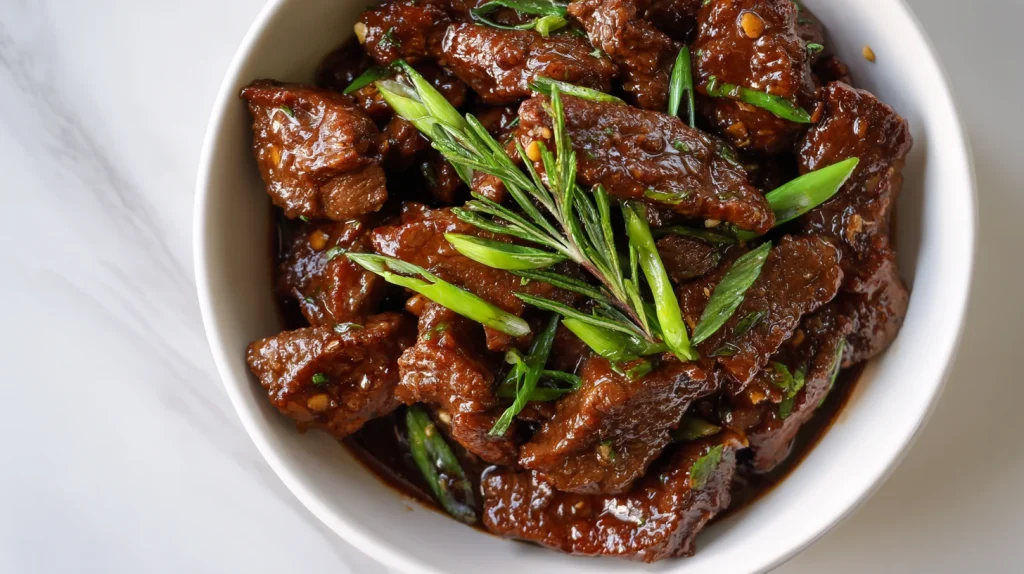
Mongolian Beef recipe is one of those stir fry dishes that instantly feels familiar even if you are making it for the first time. It is known for its glossy sauce, tender strips of beef, and a perfect balance between sweet, savory, and slightly garlicky flavors. Despite its name, Mongolian Beef is not traditionally Mongolian. It is a dish created in Chinese American cooking, designed to deliver bold flavor using simple ingredients and fast cooking techniques.
What makes Mongolian Beef special is its contrast in textures. The beef is usually thinly sliced and quickly seared so it stays tender inside while developing a light crust outside. The sauce is rich but smooth, coating each piece evenly without being heavy. When done right, Mongolian Beef tastes like something you would expect from a good restaurant, but it is surprisingly simple to prepare at home.
People love Mongolian Beef because it fits into everyday cooking without stress. It is quick enough for weeknights and flavorful enough for guests. It also adapts easily to dietary needs like Beef Dinner Recipes Gluten Free or Gluten Free Mongolian Beef Recipe variations, making it flexible for different lifestyles. Once you understand How To Make Mongolian Beef properly, it becomes one of those reliable dishes you can prepare without needing a long ingredient list or complicated steps.
Why You’ll Love This Recipe
This Mongolian Beef recipe is designed to give you restaurant level results using simple home cooking methods.
Preparation and Cooking Time, also serving
This makes Mongolian Beef one of the most efficient Gluten Free Recipes For Dinner Beef options for home cooking.
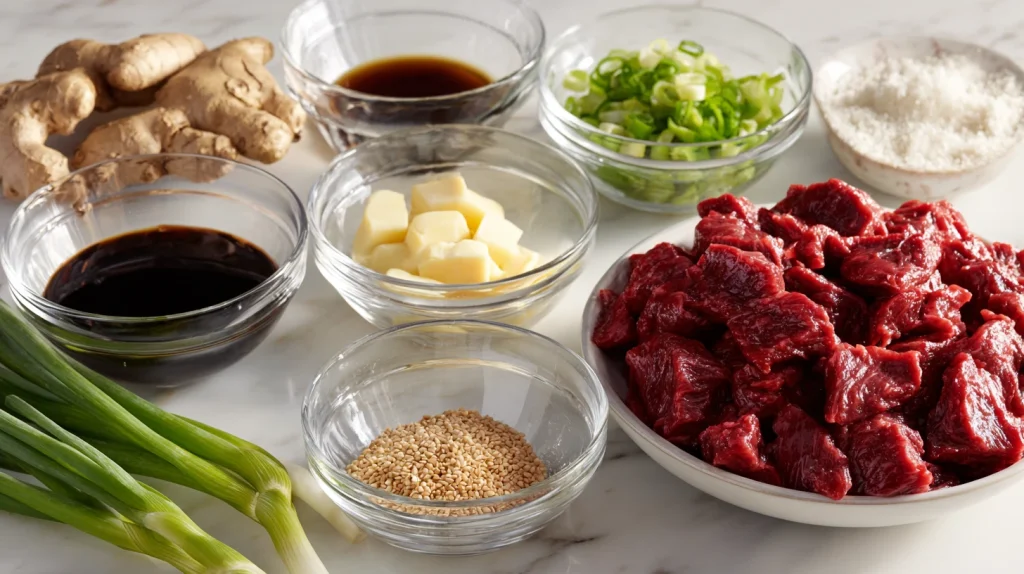
Ingredients
Sauce ingredients
Optional additions
Substitution notes
These ingredients are the foundation of most Easy Healthy Mongolian Beef Recipe versions.
Step-by-Step Instructions

Step 1: Prepare the beef
Slice the beef thinly against the grain. This step is very important because it determines tenderness in Mongolian Beef. If the beef is slightly frozen, slicing becomes easier.
Step 2: Coat the beef
Place sliced beef in a bowl and toss with cornstarch. Make sure each piece is lightly coated. This helps create a light crust during cooking and thickens the sauce later.
Step 3: Prepare the sauce
In a separate bowl, mix soy sauce, brown sugar, water or broth, sesame oil, and black pepper. Stir until sugar is dissolved. This becomes the base sauce for Mongolian Beef.
Step 4: Heat the pan
Heat oil in a large pan or wok over medium high heat. The pan must be hot before adding beef to ensure proper searing.
Step 5: Cook the beef
Add beef in small batches. Do not overcrowd the pan. Cook for 1 to 2 minutes per side until lightly browned. Remove and set aside. This step keeps Mongolian Beef tender instead of overcooked.
Step 6: Cook aromatics
In the same pan, add garlic and ginger. Stir quickly for about 30 seconds until fragrant. This builds the flavor base of the sauce.
Step 7: Add sauce
Pour in prepared sauce mixture. Let it simmer for a few minutes until slightly thickened.
Step 8: Combine beef and sauce
Add cooked beef back into the pan. Toss everything so the sauce coats each piece evenly. This is where Mongolian Beef develops its signature glossy finish.
Step 9: Add green onions
Stir in green onions and cook for another minute. This adds freshness and slight crunch.
Step 10: Final simmer
Let everything simmer briefly until the sauce reaches desired thickness. Remove from heat and serve hot.
How to Serve
Mongolian Beef is best served immediately while the sauce is glossy and warm.
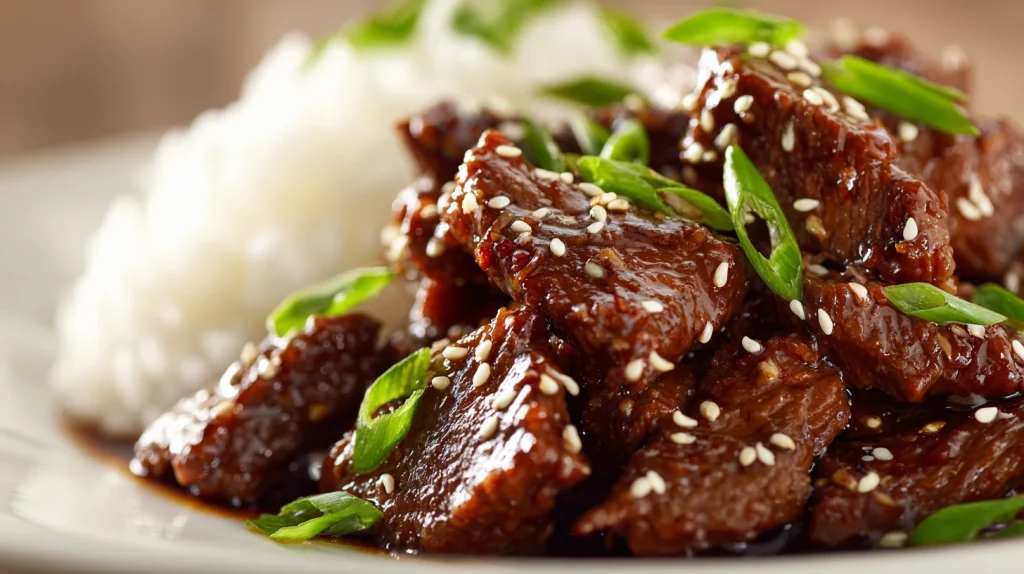
For plating, serve it over steamed white rice or jasmine rice. The rice absorbs the sauce and balances the strong flavors.
It also pairs well with:
For a restaurant style presentation, sprinkle sesame seeds and extra green onions on top. A small drizzle of sesame oil can enhance aroma.
This dish also works well as part of Gluten Free Mongolian Beef Recipe meal prep bowls when paired with vegetables and grains.
Additional Tips
Recipe Variations
These variations allow you to adapt Mongolian Beef to different dietary needs and preferences.
Freezing and Storage
Nutritional Information
Approximate values per serving:
Values vary depending on sugar level and cut of beef used.
Final Words
Mongolian Beef is a strong example of how simple ingredients can create bold, satisfying flavor when handled correctly. It does not rely on complexity but on timing, heat control, and balance between sauce and protein. Once you understand How To Make Mongolian Beef properly, it becomes a dependable dish you can prepare without hesitation.
What makes Mongolian Beef especially valuable in home cooking is its flexibility. You can adjust it into Gluten Free Mongolian Beef Recipe versions, make it lighter for everyday meals, or keep it classic for comfort food dinners. It fits easily into both casual cooking and planned meals without losing its identity.
Over time, this dish becomes more than just another stir fry. It becomes a base recipe that teaches important cooking skills like slicing technique, quick searing, and sauce balancing. These skills carry into other Beef Dinner Recipes Gluten Free and stir fry dishes as well. Once you make Mongolian Beef a few times, it stops feeling like a recipe and becomes part of your cooking routine. That is what makes it worth keeping in your regular rotation.
FAQs

Easy Mongolian Beef Recipe – Quick Weeknight Dinner
Course: Dinner Recipes4
servings20
minutes15
minutes450
kcalIngredients
500 grams flank steak or sirloin, thinly sliced
3 tablespoons cornstarch
3 tablespoons oil for frying
4 cloves garlic, finely chopped
1 teaspoon ginger, grated
4 green onions, chopped
- Sauce ingredients
1 third cup soy sauce or gluten free soy sauce
1 third cup brown sugar
1 cup water or beef broth
1 teaspoon sesame oil
Half teaspoon black pepper
- Optional additions
Red chili flakes for heat
Sliced onions or bell peppers
Sesame seeds for garnish
Directions
- Slice the beef thinly against the grain. This step is very important because it determines tenderness in Mongolian Beef. If the beef is slightly frozen, slicing becomes easier.
- Place sliced beef in a bowl and toss with cornstarch. Make sure each piece is lightly coated. This helps create a light crust during cooking and thickens the sauce later.
- In a separate bowl, mix soy sauce, brown sugar, water or broth, sesame oil, and black pepper. Stir until sugar is dissolved. This becomes the base sauce for Mongolian Beef.
- Heat oil in a large pan or wok over medium high heat. The pan must be hot before adding beef to ensure proper searing.
- Add beef in small batches. Do not overcrowd the pan. Cook for 1 to 2 minutes per side until lightly browned. Remove and set aside. This step keeps Mongolian Beef tender instead of overcooked.
- In the same pan, add garlic and ginger. Stir quickly for about 30 seconds until fragrant. This builds the flavor base of the sauce.
- Pour in prepared sauce mixture. Let it simmer for a few minutes until slightly thickened.
- Add cooked beef back into the pan. Toss everything so the sauce coats each piece evenly. This is where Mongolian Beef develops its signature glossy finish.
- Stir in green onions and cook for another minute. This adds freshness and slight crunch.
- Let everything simmer briefly until the sauce reaches desired thickness. Remove from heat and serve hot.