

Best Mango Smoothie – Creamy, Refreshing & Easy Drink
Mango Smoothie
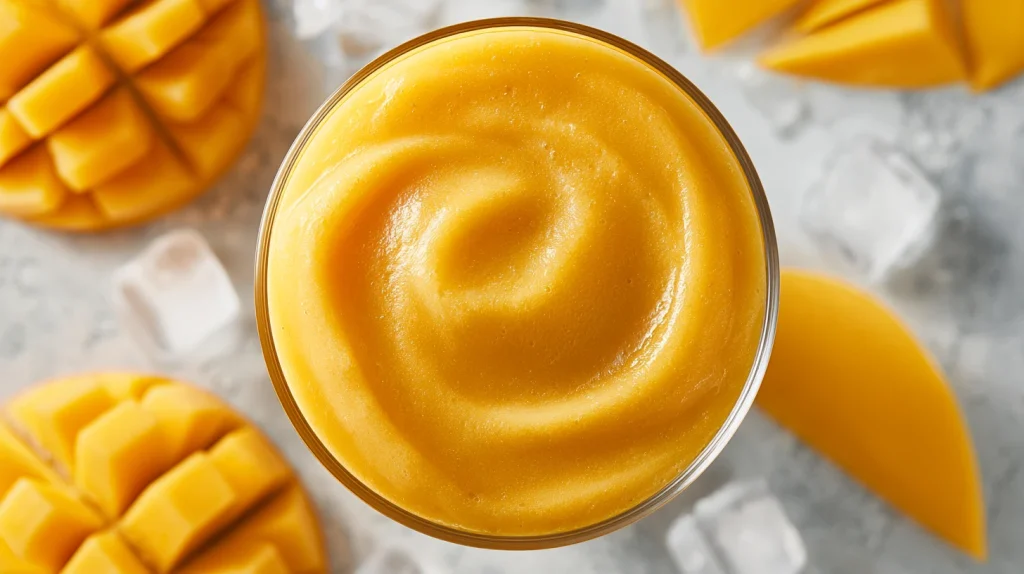
A mango smoothie is one of the simplest yet most satisfying drinks you can make at home. At its core, a mango smoothie blends ripe mangoes with a liquid base such as milk, yogurt, or plant based alternatives to create a thick, creamy, and naturally sweet drink. What makes a mango smoothie special is its balance of tropical flavor and refreshing texture. It is naturally sweet, smooth, and rich without needing refined sugar in most cases.
The taste of a mango smoothie is bright, fruity, and slightly floral, depending on the ripeness of the mangoes used. When mangoes are fully ripe, the smoothie becomes naturally creamy and dessert like, while still feeling light and refreshing. Many home cooks love mango smoothie recipes because they are fast, flexible, and require minimal ingredients.
A mango smoothie is also incredibly versatile. It can be a breakfast drink, a post workout refreshment, or a light dessert. In many kitchens, it appears in variations like Fruit Smoothie Recipes Healthy, Peach Mango Smoothie blends, and Smoothie Recipes Healthy Breakfast ideas. It also fits perfectly into Healthy Drinks Recipes and Easy Smoothie Recipes collections because of how simple it is to prepare. Whether you enjoy it thick like a milkshake or light and drinkable, a mango smoothie always delivers a refreshing experience. It is one of those recipes that feels indulgent but is actually wholesome and nourishing.
Why You’ll Love This Recipe
A mango smoothie is loved for its simplicity, speed, and natural sweetness. You do not need advanced cooking skills or special equipment to make a great mango smoothie. A basic blender and a few fresh ingredients are enough to create something delicious in minutes.
Preparation and Cooking Time, also serving
Ingredients
Substitution notes:
Step-by-Step Instructions

Step 1: Prepare the mangoes
Start by peeling ripe mangoes and cutting them into chunks. The quality of mangoes directly affects the flavor of your mango smoothie, so choose ripe, sweet fruit for best results.
Step 2: Add base ingredients
In a blender, add mango chunks, milk, and yogurt if using. This forms the foundation of the mango smoothie and determines its texture.
Step 3: Add sweetness and flavor
Add honey or sugar only if needed. Ripe mangoes often provide enough natural sweetness. Add vanilla extract for a deeper flavor profile in your mango smoothie.
Step 4: Add ice for texture
Add ice cubes to the blender. Ice helps chill the mango smoothie and creates a refreshing, slightly thick consistency.
Step 5: Blend until smooth
Blend everything until completely smooth and creamy. A good mango smoothie should have no visible fruit chunks and should pour easily but still feel thick.
Step 6: Adjust consistency
If the mango smoothie is too thick, add a little more milk. If it is too thin, add more mango or a few extra ice cubes.
Step 7: Final blend and rest
Blend again briefly and let the mango smoothie rest for a minute before serving so the texture stabilizes.
How to Serve
A mango smoothie is best served immediately after blending to preserve its freshness and texture. Pour it into tall chilled glasses for a café style presentation.
For garnish, you can add small mango cubes on top or a light drizzle of honey. A mint leaf also adds a refreshing visual contrast.
A mango smoothie pairs well with breakfast foods like toast, granola, or oats. It also works well alongside Smoothie Recipes Healthy Breakfast combinations such as eggs or light pastries.
For a more dessert style presentation, serve mango smoothie in a bowl topped with nuts, seeds, and sliced fruits. This turns it into a thicker smoothie bowl version.
In summer settings, a mango smoothie can be served as part of Refreshing Drinks Recipes collections, especially alongside iced teas or fruit juices.
Additional Tips
Recipe Variations
Freezing and Storage
Nutritional Information
Approximate values per serving:
A mango smoothie provides natural energy, hydration, and vitamins, making it a balanced drink option.
Final Words
A mango smoothie is one of those recipes that quietly proves how powerful simple ingredients can be when handled correctly. You are not relying on complex techniques or long preparation times here. Instead, the focus is on ingredient quality and balance. When mangoes are ripe, naturally sweet, and fragrant, they already carry most of the work for you. Your role as the cook is to guide that flavor into a smooth, balanced drink that feels fresh and satisfying in every sip. This is why a mango smoothie remains such a reliable choice in home kitchens, especially when you want something quick but still meaningful in taste and nutrition.
What makes a mango smoothie even more valuable is how easily it fits into different moments of the day. It can be a fast breakfast when you do not have time to cook, a light afternoon refresher when energy dips, or a simple dessert that does not feel heavy after a meal. Unlike many sweet drinks, a well made mango smoothie can be adjusted to your needs, whether you want it thick and filling or light and hydrating. This flexibility is what turns a basic recipe into a repeat habit, because it adapts to your routine instead of forcing you to change it.
Once you understand the structure of a mango smoothie, you can confidently start experimenting without worrying about failure. Small changes like adding yogurt for creaminess, swapping milk for coconut water, or blending in other fruits will still keep the core identity intact. Over time, you are not just making a mango smoothie anymore, you are building your own version that matches your taste and lifestyle. That is the real strength of this recipe, it stays simple at the base, but it never stops evolving with you.
FAQs

Best Mango Smoothie – Creamy, Refreshing & Easy Drink
Course: Drinks2
servings5
minutes250
kcalIngredients
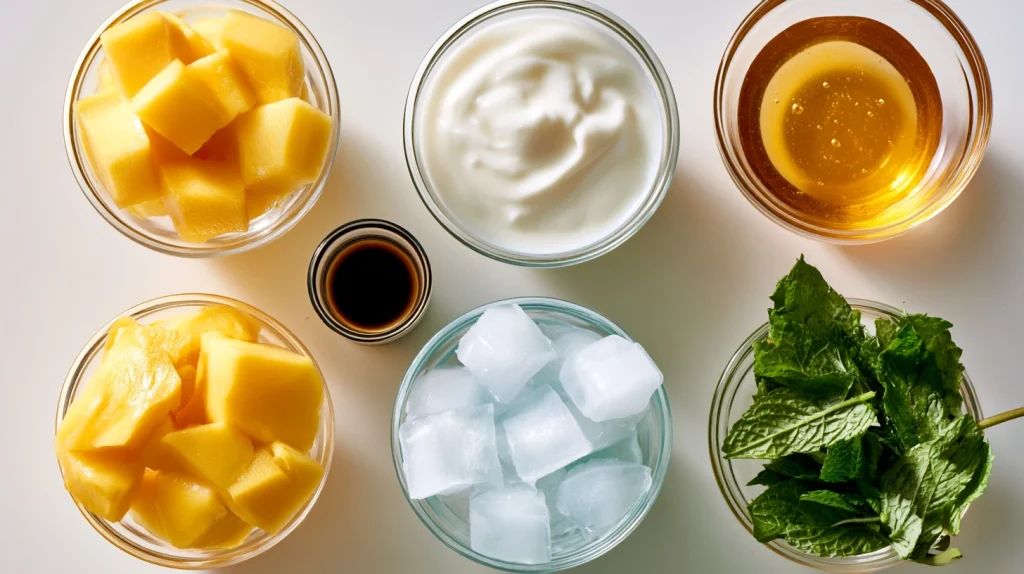
2 large ripe mangoes, peeled and chopped
1 cup cold milk or almond milk
1/2 cup yogurt (optional for creaminess)
1 to 2 teaspoons honey or sugar (optional, depending on mango sweetness)
1/2 cup ice cubes
1/4 teaspoon vanilla extract (optional)
Directions
- Start by peeling ripe mangoes and cutting them into chunks. The quality of mangoes directly affects the flavor of your mango smoothie, so choose ripe, sweet fruit for best results.
- In a blender, add mango chunks, milk, and yogurt if using. This forms the foundation of the mango smoothie and determines its texture.
- Add honey or sugar only if needed. Ripe mangoes often provide enough natural sweetness. Add vanilla extract for a deeper flavor profile in your mango smoothie.
- Add ice cubes to the blender. Ice helps chill the mango smoothie and creates a refreshing, slightly thick consistency.
- Blend everything until completely smooth and creamy. A good mango smoothie should have no visible fruit chunks and should pour easily but still feel thick.
- If the mango smoothie is too thick, add a little more milk. If it is too thin, add more mango or a few extra ice cubes.
- Blend again briefly and let the mango smoothie rest for a minute before serving so the texture stabilizes.