

Best Pea Pasta Recipe – Creamy, Easy & Delicious Pasta
Pea Pasta
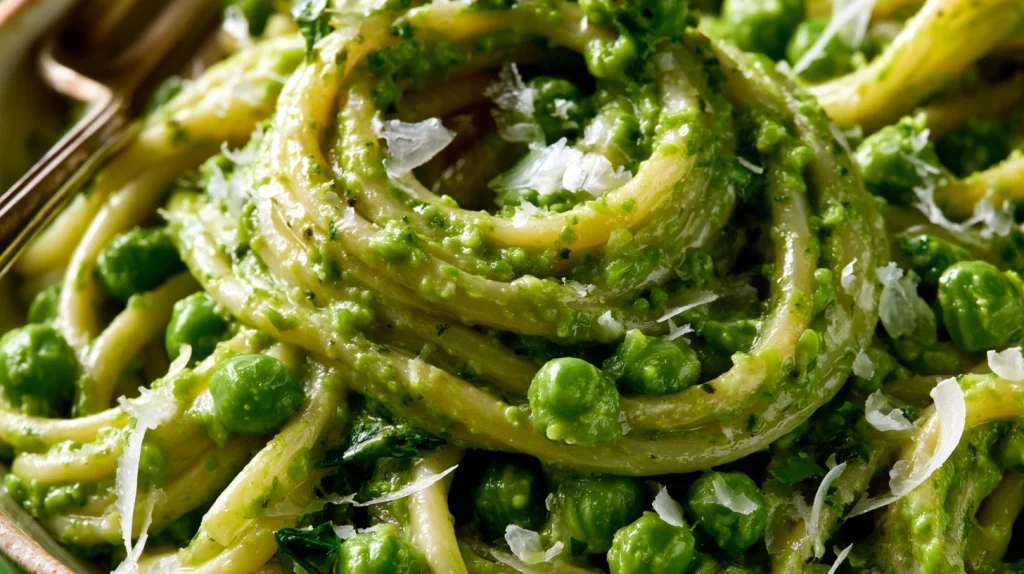
Pea pasta is a simple yet deeply satisfying pasta dish where sweet green peas are combined with pasta and a savory sauce to create a balanced, comforting meal. At its core, pea pasta is all about contrast. The natural sweetness of peas blends with salty, savory elements like bacon, pancetta, prosciutto, or cheese, while the pasta acts as a neutral base that carries all the flavor.
What makes pea pasta special is its ability to feel both light and indulgent at the same time. The peas add freshness and texture, while the sauce can be creamy, buttery, or olive oil based depending on how you prepare it. Many home cooks love pea pasta because it is fast, flexible, and made from simple pantry ingredients.
In many kitchens, pea pasta is prepared as Penne Pasta With Peas And Sauce or as richer versions like Penne With Peas And Prosciutto or Penne With Pancetta And Peas. Some prefer Bacon Peas Pasta Recipes for a smoky touch, while others enjoy lighter versions that highlight the natural sweetness of peas. No matter the variation, pea pasta remains a reliable and comforting dish that works for lunch, dinner, or meal prep.
The texture of well-made pea pasta is important. The peas should remain slightly firm, not mushy, while the pasta should be cooked al dente so it holds the sauce properly. When balanced correctly, pea pasta becomes a dish that feels restaurant-quality but is easy enough for everyday cooking.
Why You’ll Love This Recipe
Pea pasta is the kind of recipe that fits into almost any lifestyle. It is quick enough for busy weeknights but also flavorful enough to serve when you want something comforting and homemade.
Preparation and Cooking Time, also serving
Ingredients
Substitution notes:
Step-by-Step Instructions
Step 1: Cook the pasta
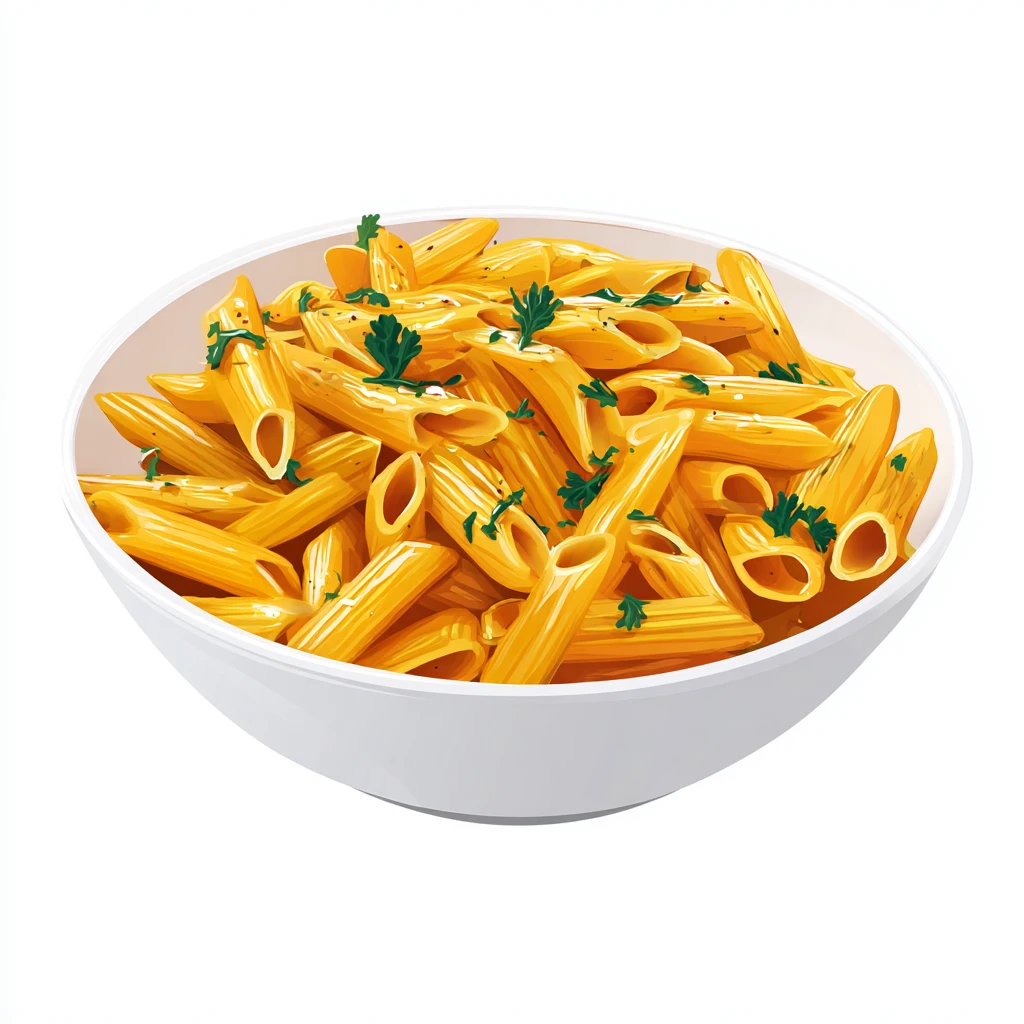
Bring a large pot of salted water to a boil. Add penne pasta and cook until al dente according to package instructions. Reserve about half a cup of pasta water before draining. This step is important for pea pasta because the starchy water helps bind the sauce later.
Step 2: Prepare the base flavor
In a large skillet, heat olive oil or butter over medium heat. Add chopped onion and cook until soft and translucent. This creates the aromatic base for pea pasta and ensures the final dish has depth of flavor.
Step 3: Add garlic and meat
Stir in garlic and cook briefly until fragrant. Add bacon, pancetta, or prosciutto and cook until lightly crispy. This step builds the savory backbone of pea pasta and adds texture contrast.
Step 4: Add peas
Add green peas to the skillet and cook for a few minutes until heated through. If using frozen peas, they will cook quickly and retain their sweetness. This step defines the identity of pea pasta, where peas remain slightly tender but not overcooked.
Step 5: Combine pasta and sauce
Add the drained pasta directly into the skillet. Pour in reserved pasta water and toss everything together. The starch helps create a light sauce that coats every piece of pasta evenly, forming the base structure of pea pasta.
Step 6: Add cheese and seasoning
Sprinkle grated Parmesan cheese into the pan and mix well. Add black pepper and adjust salt carefully. At this stage, pea pasta should start becoming creamy and cohesive without feeling heavy.
Step 7: Optional creamy finish
If you prefer a richer version of pea pasta, add a small amount of cream and stir until smooth. This step is common in Penne Pasta With Peas And Cheese variations.
Step 8: Final toss and rest
Turn off the heat and let the pea pasta sit for one minute before serving. This allows the sauce to thicken slightly and cling better to the pasta.
How to Serve
Pea pasta is best served hot immediately after cooking. It can be plated in shallow bowls or wide plates so the sauce spreads evenly and the colors remain visible.
For presentation, sprinkle extra Parmesan cheese and fresh parsley on top. A light drizzle of olive oil can enhance the shine and texture of pea pasta.
Pea pasta pairs well with simple side dishes like garlic bread, toasted sourdough, or a fresh green salad with lemon dressing. If you want a more complete meal, serve it alongside grilled chicken or roasted vegetables.
For a more elevated version, pea pasta can be served with a light white wine sauce or a squeeze of fresh lemon juice to brighten the flavors.
Additional Tips
Recipe Variations
Freezing and Storage
Nutritional Information
Approximate values per serving:
Pea pasta offers a balanced mix of carbohydrates, protein, and fiber, making it a satisfying meal option.
Final Words
Pea pasta is one of those recipes that proves simple cooking can still deliver deep flavor. With just a few ingredients and basic techniques, you can create a dish that feels both comforting and fresh. Whether you prefer a creamy version, a smoky Bacon Peas Pasta Recipes style, or a light vegetarian bowl, pea pasta adapts easily to your taste.
The beauty of pea pasta is its flexibility and speed. It is a dish you can rely on when you want something homemade without spending hours in the kitchen. Once you understand the balance of peas, pasta, and seasoning, pea pasta becomes a go to recipe you can personalize endlessly.
FAQs

Best Pea Pasta Recipe – Creamy, Easy & Delicious Pasta
Course: Pasta Recipes4
servings10
minutes25
minutes380
kcalIngredients
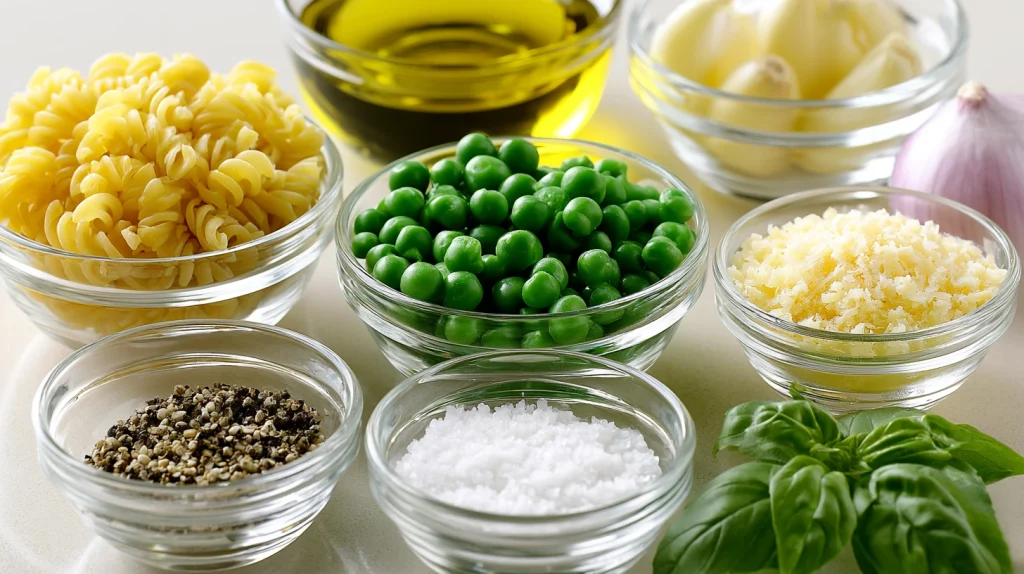
300 g penne pasta
1 1/2 cups green peas (fresh or frozen)
3 tablespoons olive oil or butter
3 cloves garlic, finely chopped
100 g bacon, pancetta, or prosciutto, chopped
1 small onion, finely chopped
1/2 cup grated Parmesan cheese
1/2 cup pasta cooking water (reserved)
Salt, to taste
Black pepper, to taste
Optional: 1/4 cup cream for richer texture
Optional: fresh parsley for garnish
Optional: lemon zest for freshness
Directions
- Bring a large pot of salted water to a boil. Add penne pasta and cook until al dente according to package instructions. Reserve about half a cup of pasta water before draining. This step is important for pea pasta because the starchy water helps bind the sauce later.
- In a large skillet, heat olive oil or butter over medium heat. Add chopped onion and cook until soft and translucent. This creates the aromatic base for pea pasta and ensures the final dish has depth of flavor.
- Stir in garlic and cook briefly until fragrant. Add bacon, pancetta, or prosciutto and cook until lightly crispy. This step builds the savory backbone of pea pasta and adds texture contrast.
- Add green peas to the skillet and cook for a few minutes until heated through. If using frozen peas, they will cook quickly and retain their sweetness. This step defines the identity of pea pasta, where peas remain slightly tender but not overcooked.
- Add the drained pasta directly into the skillet. Pour in reserved pasta water and toss everything together. The starch helps create a light sauce that coats every piece of pasta evenly, forming the base structure of pea pasta.
- Sprinkle grated Parmesan cheese into the pan and mix well. Add black pepper and adjust salt carefully. At this stage, pea pasta should start becoming creamy and cohesive without feeling heavy.
- If you prefer a richer version of pea pasta, add a small amount of cream and stir until smooth. This step is common in Penne Pasta With Peas And Cheese variations.
- Turn off the heat and let the pea pasta sit for one minute before serving. This allows the sauce to thicken slightly and cling better to the pasta.