

Kimchi Stew Recipe – Easy Korean-Style Kimchi Jjigae
Kimchi Stew
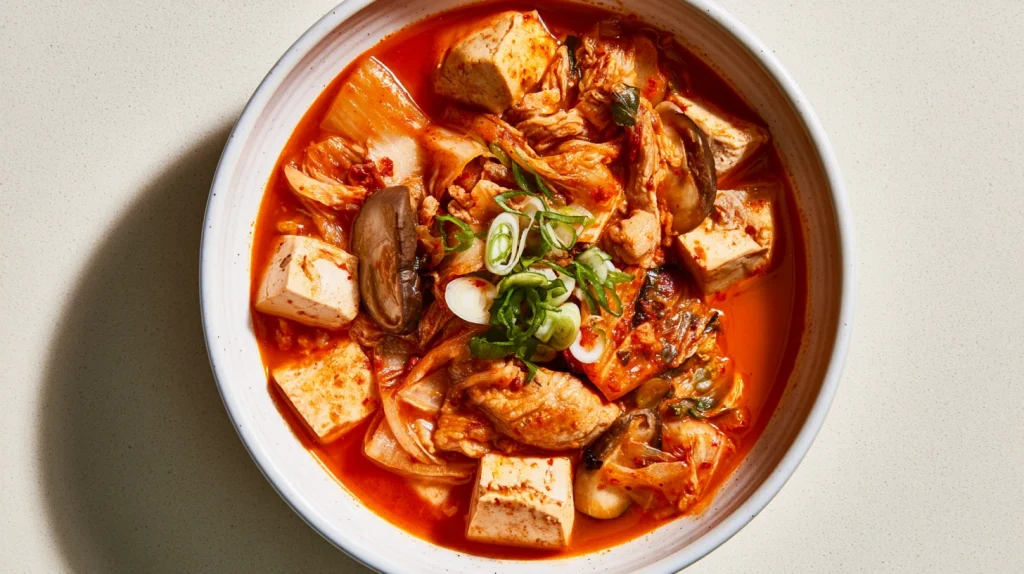
Kimchi stew is one of the most comforting Korean dishes you can make at home. Known as kimchi jjigae, it combines mature kimchi, a flavorful broth, aromatics, tofu, and usually a savory protein into a hot, deeply seasoned stew. The finished dish is spicy, tangy, savory, and slightly rich, with soft tofu and tender vegetables soaking up the flavorful broth. What makes kimchi stew special is the way the kimchi changes during cooking. Fresh kimchi is crisp and bright, but older, well-fermented kimchi develops a stronger sourness that becomes remarkably flavorful when simmered. Instead of treating that acidity as a problem, this recipe uses it as the foundation of the broth.
A good kimchi stew should have enough liquid to spoon over rice, but it should not taste like a thin soup. The broth needs concentration and balance. Garlic, onion, gochugaru, soy sauce, sesame oil, and kimchi juice help build that depth, while tofu adds a soft texture and absorbs the surrounding flavors. This recipe is flexible enough for everyday cooking. Pork is commonly used in kimchi jjigae, but chicken, beef, mushrooms, or even ground turkey can work beautifully. That makes this a useful option when you are looking through Ground Turkey Recipes and want something different from the usual skillet or casserole.
If you enjoy Easy Korean Recipes, this is a particularly rewarding dish because the technique is straightforward. Once the aromatics and kimchi are cooked properly, most of the work happens in one pot. You can also adjust the heat and protein according to what your family prefers. Kimchi stew is traditionally served bubbling hot, often directly from the cooking pot, with steamed rice and several small side dishes. At home, however, you can serve it in individual bowls with rice on the side for an easy, satisfying dinner.
Why You’ll Love This Recipe
Preparation and Cooking Time, also serving
Ingredients
Optional Garnishes
Substitution Notes
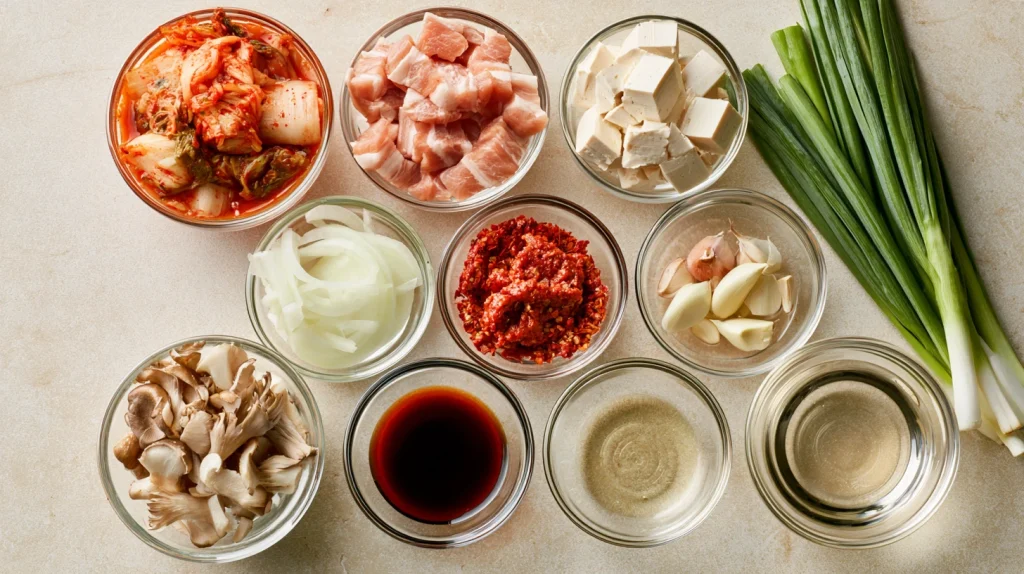
Step-by-Step Instructions

Step 1: Prepare the Ingredients
Drain the kimchi while reserving the kimchi juice, then roughly chop the cabbage into manageable pieces and prepare the onion, garlic, zucchini, tofu, and green onions. Measure the gochugaru, gochujang, soy sauce, fish sauce, sesame oil, and sugar before starting so everything is ready when the pot is hot. Keeping the ingredients prepared in advance is especially useful because the first stage of cooking moves quickly.
Step 2: Brown the Ground Turkey
Heat the neutral oil in a heavy pot or Dutch oven over medium heat, then add the ground turkey and cook for approximately 5 to 6 minutes while breaking it into small pieces with a wooden spoon. Continue cooking until the turkey is no longer pink and begins to develop lightly browned edges. Add the sliced onion and cook for another 2 to 3 minutes until it starts to soften, then stir in the garlic and cook for about 30 seconds until fragrant.
Step 3: Cook the Kimchi and Seasonings
Add the chopped kimchi to the pot and cook it with the turkey and onion for approximately 5 minutes, stirring regularly so the kimchi begins to soften and concentrate. Stir in the gochugaru, gochujang, sugar, and black pepper, making sure the seasonings coat the kimchi evenly. This stage is important because cooking the kimchi before adding the broth develops a deeper flavor and helps the chile seasoning blend into the dish.
Step 4: Build and Simmer the Broth
Pour in the reserved kimchi juice and chicken broth, then add the soy sauce and fish sauce and stir everything together. Bring the mixture to a gentle boil, then reduce the heat to medium-low and simmer uncovered for approximately 20 minutes so the broth can concentrate and the kimchi becomes tender. Stir occasionally and taste near the end of the simmering time, adjusting the seasoning if necessary without adding too much salt because the kimchi and sauces already contain sodium.
Step 5: Add the Tofu and Zucchini
Gently arrange the tofu cubes and sliced zucchini in the simmering stew, taking care not to break the tofu as you stir. Continue simmering for another 7 to 10 minutes until the zucchini is tender and the tofu is heated through and has absorbed some of the broth. Avoid vigorous stirring at this stage because medium-firm tofu can break apart and turn the stew cloudy.
Step 6: Finish and Serve
Turn off the heat and stir in the toasted sesame oil, then taste the broth and adjust the balance with a small amount of kimchi juice, soy sauce, or gochugaru if needed. Scatter sliced green onions over the top and serve the kimchi stew immediately while it is bubbling hot, accompanied by steamed rice and any additional Korean-style side dishes you enjoy.
How to Serve
Additional Tips
Recipe Variations
Freezing and Storage
Nutritional Information
The following values are approximate and will vary depending on the type of kimchi, broth, tofu, ground turkey, and sauces used.
Approximate nutrition per serving, excluding rice:
Serving the stew with rice will increase the carbohydrate and calorie content. Using low-sodium broth and reducing the soy sauce or fish sauce can lower the overall sodium.
Final Words
Kimchi stew is a dish that rewards simple cooking done carefully. The ingredients are familiar, the method is straightforward, and the final result has far more flavor than the amount of work might suggest. The most important step is cooking the kimchi before adding the broth. That short period allows the fermented cabbage to develop a deeper, more rounded flavor and gives the finished stew a stronger foundation.
This version uses ground turkey, making it a useful choice when you want to explore Ground Turkey Recipes beyond the usual burgers, meatballs, and skillet meals. The turkey adds protein while allowing the kimchi, tofu, and broth to remain the focus. If you prefer a more traditional approach, pork works beautifully. If you want a meatless option, simply increase the tofu and mushrooms. That flexibility is one of the reasons kimchi stew belongs among practical Easy Korean Recipes.
Serve it hot with steamed rice and a few simple Korean side dishes. You do not need an elaborate spread. The stew itself provides heat, acidity, savory depth, vegetables, protein, and satisfying texture. For anyone interested in Asian Cooking, this is also a useful recipe for learning how fermented ingredients can transform a broth. Kimchi brings acidity, chile flavor, fermentation, and vegetables all at once, allowing you to create a complex-tasting meal from a relatively short ingredient list.
Whether you call it kimchi stew, kimchi jjigae, or simply a comforting bowl of spicy Korean stew, the key is balance. Use flavorful mature kimchi, control the salt, build the broth gradually, and avoid overcooking the tofu. Once you understand those principles, you can confidently adapt the recipe with different proteins, vegetables, and spice levels. That makes this kimchi stew a dependable recipe to return to whenever you want a hot, satisfying Korean-inspired meal.
FAQs

Kimchi Stew Recipe – Easy Korean-Style Kimchi Jjigae
Course: Soup Recipes4
servings15
minutes35
minutes350
kcalIngredients
2 cups well-fermented napa cabbage kimchi, roughly chopped
1/2 cup kimchi juice
8 ounces ground turkey
1 tablespoon neutral cooking oil
1 small yellow onion, thinly sliced
4 garlic cloves, minced
1 tablespoon gochugaru
1 tablespoon gochujang
4 cups low-sodium chicken broth
1 tablespoon soy sauce
1 teaspoon fish sauce
1 teaspoon toasted sesame oil
8 ounces medium-firm tofu, cut into thick cubes
2 green onions, sliced
1 small zucchini, thinly sliced
1 teaspoon sugar
1/2 teaspoon freshly ground black pepper
- Optional Garnishes
Sliced green onions
Toasted sesame seeds
Thinly sliced fresh chili
Roasted seaweed strips
Additional kimchi
Steamed white rice
Directions
- Drain the kimchi while reserving the kimchi juice, then roughly chop the cabbage into manageable pieces and prepare the onion, garlic, zucchini, tofu, and green onions. Measure the gochugaru, gochujang, soy sauce, fish sauce, sesame oil, and sugar before starting so everything is ready when the pot is hot. Keeping the ingredients prepared in advance is especially useful because the first stage of cooking moves quickly.
- Heat the neutral oil in a heavy pot or Dutch oven over medium heat, then add the ground turkey and cook for approximately 5 to 6 minutes while breaking it into small pieces with a wooden spoon. Continue cooking until the turkey is no longer pink and begins to develop lightly browned edges. Add the sliced onion and cook for another 2 to 3 minutes until it starts to soften, then stir in the garlic and cook for about 30 seconds until fragrant.
- Add the chopped kimchi to the pot and cook it with the turkey and onion for approximately 5 minutes, stirring regularly so the kimchi begins to soften and concentrate. Stir in the gochugaru, gochujang, sugar, and black pepper, making sure the seasonings coat the kimchi evenly. This stage is important because cooking the kimchi before adding the broth develops a deeper flavor and helps the chile seasoning blend into the dish.
- Pour in the reserved kimchi juice and chicken broth, then add the soy sauce and fish sauce and stir everything together. Bring the mixture to a gentle boil, then reduce the heat to medium-low and simmer uncovered for approximately 20 minutes so the broth can concentrate and the kimchi becomes tender. Stir occasionally and taste near the end of the simmering time, adjusting the seasoning if necessary without adding too much salt because the kimchi and sauces already contain sodium.
- Gently arrange the tofu cubes and sliced zucchini in the simmering stew, taking care not to break the tofu as you stir. Continue simmering for another 7 to 10 minutes until the zucchini is tender and the tofu is heated through and has absorbed some of the broth. Avoid vigorous stirring at this stage because medium-firm tofu can break apart and turn the stew cloudy.
- Turn off the heat and stir in the toasted sesame oil, then taste the broth and adjust the balance with a small amount of kimchi juice, soy sauce, or gochugaru if needed. Scatter sliced green onions over the top and serve the kimchi stew immediately while it is bubbling hot, accompanied by steamed rice and any additional Korean-style side dishes you enjoy.