

Best Chilorio Receta – Authentic Mexican Shredded Pork
Chilorio Receta
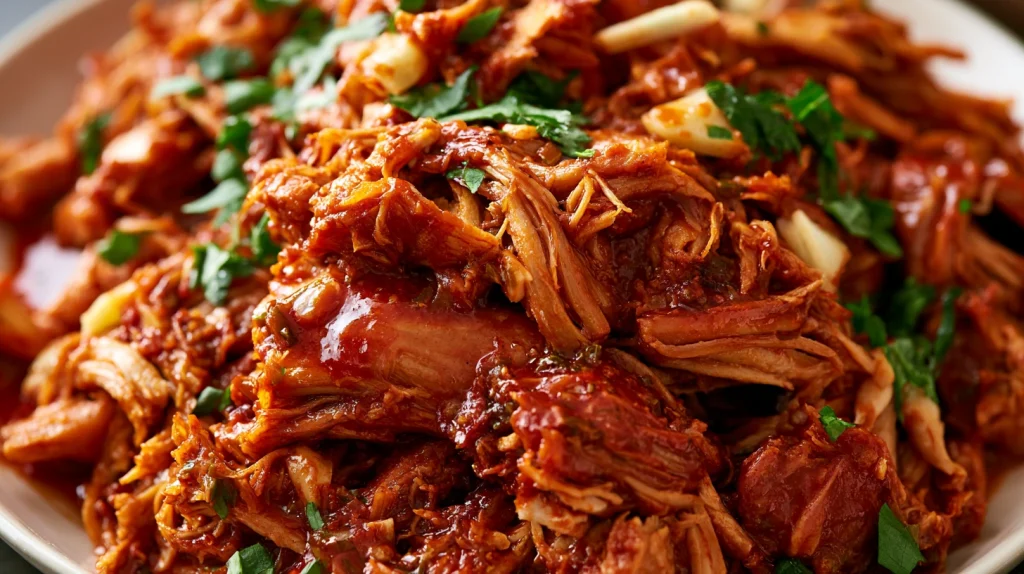
Chilorio receta is a traditional Mexican shredded pork dish known for its tender texture, rich chile sauce, and balanced combination of savory, smoky, spicy, and slightly tangy flavors. Pork is slowly cooked until it becomes tender enough to pull apart, then combined with a concentrated sauce made from dried chiles, garlic, spices, and vinegar. The result is deeply seasoned meat that is incredibly versatile and works equally well for tacos, rice bowls, quesadillas, breakfast plates, and family dinners.
What makes chilorio particularly appealing is the relationship between the meat and sauce. The pork is not simply cooked and covered with a sauce at the end. Once shredded, the meat is simmered again with the chile mixture so that the sauce coats every strand. This second cooking stage gives the finished dish its characteristic color, aroma, and concentrated flavor.
Traditional chilorio is closely associated with Sinaloa in northwestern Mexico, where pork preparations have long been part of regional cooking. Every household can have its own approach to the chile mixture. Some versions are hotter, some emphasize garlic, and others use more vinegar or different combinations of dried chiles. The basic principle remains the same: tender pork paired with a well-balanced chile seasoning.
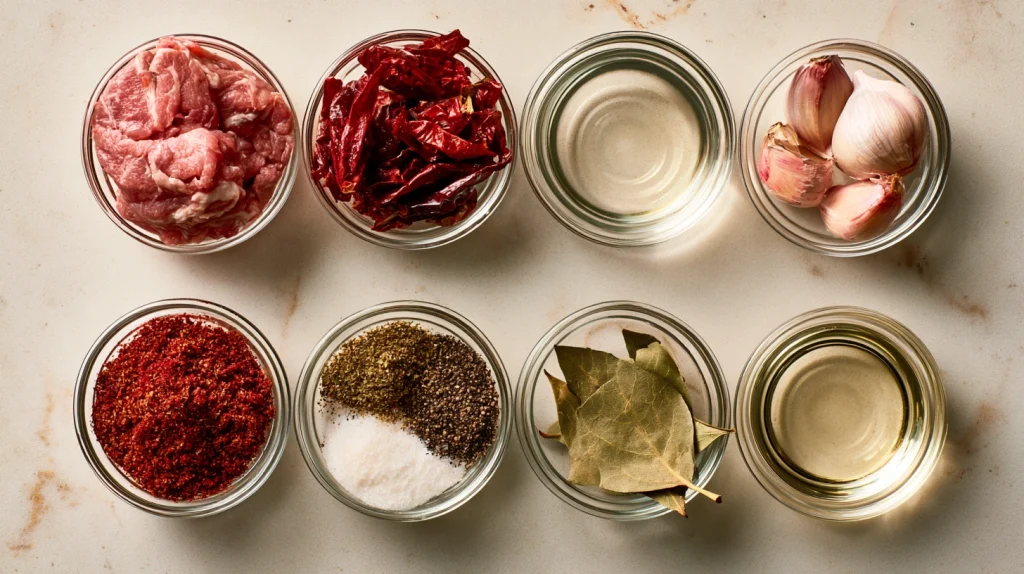
The best chilorio receta does not need an excessive amount of spices. The quality of the pork, the treatment of the dried chiles, and the final balance of salt and acidity are much more important. Dried ancho chiles bring depth and mild sweetness, guajillo chiles provide color and a clean chile flavor, while arbol chiles can add heat when desired. This recipe is designed for home cooks who want dependable results without complicated culinary techniques. A heavy pot, blender, and a little patience are enough. The pork can also be prepared ahead, making this dish particularly convenient for busy families and entertaining.
If you enjoy tacos de carne deshebrada, you will appreciate the texture and versatility of chilorio. It can also be compared with other shredded-meat preparations such as cochinita pibil recipe variations and birria de res recetas, although the seasoning and cooking style are distinctly different.
Why You’ll Love This Recipe
Preparation and Cooking Time, Also Serving
The cooking time can vary depending on the size of the pork pieces and the amount of connective tissue in the cut. The pork is ready when a fork slides into it easily and the meat pulls apart without resistance.
Ingredients
For the Chile Sauce
For Finishing
Substitution Notes
Step-by-Step Instructions

Step 1: Season and Brown the Pork
Pat the pork shoulder dry with paper towels and cut it into evenly sized 2 to 3 inch pieces, then season thoroughly with kosher salt and black pepper. Heat a heavy Dutch oven or large pot over medium-high heat and add the lard or oil. Once hot, place the pork into the pot in batches, making sure the pieces are not crowded. Brown each piece on several sides until a deep golden crust develops, then transfer the browned pork to a plate while you finish the remaining batches. Proper browning is important because it creates savory flavor that will carry through the final sauce.
Step 2: Cook the Pork Until Tender
Return all the browned pork to the pot and add the crushed garlic, bay leaf, and water or unsalted chicken broth. Bring the liquid to a gentle simmer, then reduce the heat to low and cover the pot. Cook for approximately 1 hour 30 minutes to 2 hours, turning the pork occasionally and checking the liquid level during cooking. If the pot becomes nearly dry before the pork is tender, add a small amount of hot water or broth. The pork is ready when a fork easily penetrates the thickest piece and the meat separates with very little pressure.
Step 3: Prepare the Dried Chile Sauce
While the pork cooks, remove the stems and seeds from the ancho and guajillo chiles and prepare the arbol chiles if using them. Heat a dry skillet over medium heat and toast the chiles briefly on both sides until fragrant, taking care not to burn them because scorched dried chiles can make the sauce bitter. Transfer the toasted chiles to a bowl, cover them with very hot water, and let them soften for about 15 minutes. Drain them, then blend with the garlic, oregano, cumin, coriander, black pepper, apple cider vinegar, salt, and 1 cup of the reserved pork cooking liquid until completely smooth, adding only a small splash of additional broth if the blender needs help moving the mixture.
Step 4: Shred the Pork and Cook the Sauce
Remove the tender pork from the cooking liquid and allow it to cool just enough to handle safely, then shred it into thin, irregular strands using two forks or clean hands while removing any large pieces of excess fat. Strain and reserve the cooking liquid if you have not already done so. Heat a large skillet or clean Dutch oven over medium heat and add the blended chile sauce, allowing it to cook for approximately 5 to 8 minutes while stirring regularly. The sauce should become darker, more aromatic, and slightly thicker as the raw flavor of the garlic and spices cooks away.
Step 5: Combine and Finish the Chilorio
Add the shredded pork to the cooked chile sauce and stir thoroughly until every strand is coated, then reduce the heat to low and let the mixture simmer gently for 15 to 20 minutes. Stir occasionally and add a small splash of reserved pork broth if the meat begins to look dry. The finished chilorio should be moist but not watery, with the sauce clinging closely to the pork. Taste carefully toward the end and adjust the salt and vinegar in small amounts, remembering that the vinegar should brighten the pork rather than make it taste sharply sour.
Step 6: Rest and Serve
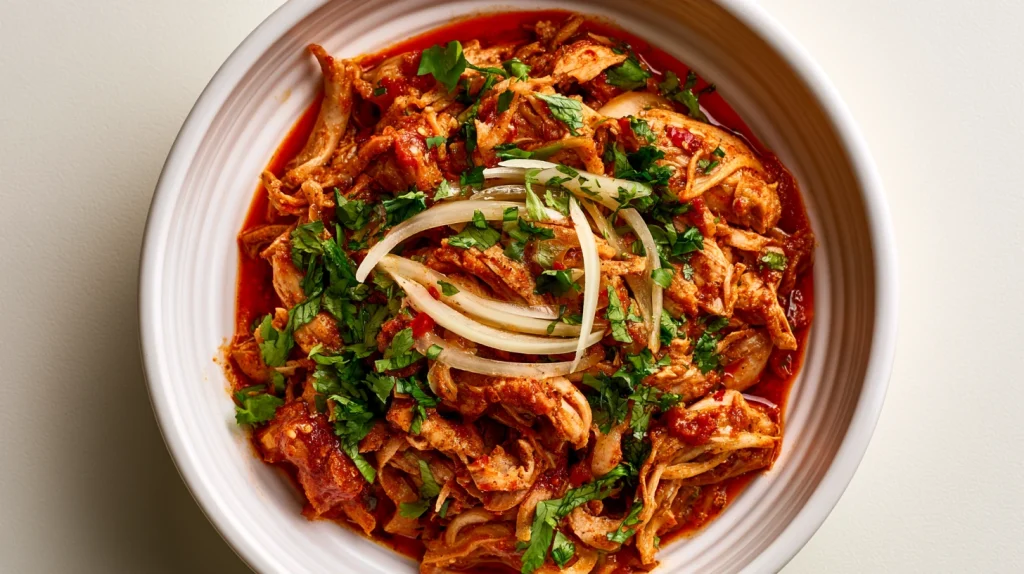
Turn off the heat and let the chilorio rest for 5 to 10 minutes before serving so the sauce can settle into the shredded meat and the flavors can come together. Taste once more before plating and make any final adjustment with salt, vinegar, or a small splash of warm broth if necessary. Serve the pork hot with warm tortillas and fresh toppings, or allow it to cool properly before refrigerating if you are preparing it for a later meal.
How to Serve
Additional Tips
Recipe Variations
Freezing and Storage
Nutritional Information
The following nutritional information is an approximate estimate for one serving when the recipe is divided into eight servings. Exact values vary according to the pork cut, amount of visible fat removed, cooking fat, broth, and serving size.
These values do not include tortillas, rice, beans, cheese, avocado, or other toppings served with the chilorio.
Final Words
A well-made chilorio receta is an excellent example of how traditional cooking can turn a relatively simple cut of pork into an intensely flavorful meal. The process is straightforward, but the small details matter. Brown the pork properly, cook it until genuinely tender, treat the dried chiles carefully, blend a concentrated sauce, and finish the shredded meat slowly so every strand absorbs the seasoning.
The finished pork is useful far beyond a single dinner. It can become tacos one day, quesadillas the next, and a breakfast filling after that. Because chilorio reheats so well, it is also an excellent recipe for families who want to prepare food ahead without sacrificing flavor.
There are interesting similarities between chilorio and other regional dishes. Michoacan food recipes often demonstrate how pork, chiles, herbs, and slow cooking can create deeply satisfying meals. A cochinita pibil recipe uses a different seasoning foundation, especially achiote and citrus, while birria de res recetas commonly focus on beef and a richly spiced broth. Vegan cochinita pibil takes the same broader flavor idea in a plant-based direction.
Even recipes outside Mexico can be useful comparisons. Puerco Pibil Robert Rodriguez is another well-known preparation centered around highly seasoned pork, while Bistec De Palomilla Cubano demonstrates a different Latin American approach to building flavor around meat, seasoning, and acidity.
The important lesson is that great home cooking comes from understanding what each ingredient contributes. The dried chiles provide the backbone of the sauce, garlic adds savory depth, vinegar cuts through the richness, and slow cooking transforms the pork into tender strands that absorb everything around them.
Once you make this chilorio receta successfully, you will have more than one recipe in your collection. You will have a dependable method for preparing tender, chile-seasoned shredded meat that can be adapted to many meals. Take your time with the browning and chile preparation, taste carefully at the end, and let the finished pork rest before serving. Those simple habits will make a noticeable difference.
FAQs

Best Chilorio Receta – Authentic Mexican Shredded Pork
Course: Dinner Recipes6
servings40
minutes1
hour30
minutes430
kcalIngredients
3 pounds boneless pork shoulder, cut into 2 to 3 inch chunks
2 teaspoons kosher salt
1 teaspoon freshly ground black pepper
2 tablespoons lard or neutral cooking oil
2 cups water or unsalted chicken broth
3 garlic cloves, lightly crushed
1 small bay leaf
- For the Chile Sauce
5 dried ancho chiles, stems and seeds removed
3 dried guajillo chiles, stems and seeds removed
2 dried arbol chiles, optional
4 garlic cloves
1 teaspoon dried Mexican oregano
1 teaspoon ground cumin
1/2 teaspoon ground coriander
1/2 teaspoon freshly ground black pepper
2 tablespoons apple cider vinegar
1 cup reserved pork cooking liquid
1/2 teaspoon kosher salt, plus more as needed
- For Finishing
1 tablespoon lard or neutral oil, if needed
1 to 2 tablespoons apple cider vinegar, adjusted to taste
Salt, as needed
1/4 cup finely chopped fresh cilantro, optional
Directions
- Pat the pork shoulder dry with paper towels and cut it into evenly sized 2 to 3 inch pieces, then season thoroughly with kosher salt and black pepper. Heat a heavy Dutch oven or large pot over medium-high heat and add the lard or oil. Once hot, place the pork into the pot in batches, making sure the pieces are not crowded. Brown each piece on several sides until a deep golden crust develops, then transfer the browned pork to a plate while you finish the remaining batches. Proper browning is important because it creates savory flavor that will carry through the final sauce.
- Return all the browned pork to the pot and add the crushed garlic, bay leaf, and water or unsalted chicken broth. Bring the liquid to a gentle simmer, then reduce the heat to low and cover the pot. Cook for approximately 1 hour 30 minutes to 2 hours, turning the pork occasionally and checking the liquid level during cooking. If the pot becomes nearly dry before the pork is tender, add a small amount of hot water or broth. The pork is ready when a fork easily penetrates the thickest piece and the meat separates with very little pressure.
- While the pork cooks, remove the stems and seeds from the ancho and guajillo chiles and prepare the arbol chiles if using them. Heat a dry skillet over medium heat and toast the chiles briefly on both sides until fragrant, taking care not to burn them because scorched dried chiles can make the sauce bitter. Transfer the toasted chiles to a bowl, cover them with very hot water, and let them soften for about 15 minutes. Drain them, then blend with the garlic, oregano, cumin, coriander, black pepper, apple cider vinegar, salt, and 1 cup of the reserved pork cooking liquid until completely smooth, adding only a small splash of additional broth if the blender needs help moving the mixture.
- Remove the tender pork from the cooking liquid and allow it to cool just enough to handle safely, then shred it into thin, irregular strands using two forks or clean hands while removing any large pieces of excess fat. Strain and reserve the cooking liquid if you have not already done so. Heat a large skillet or clean Dutch oven over medium heat and add the blended chile sauce, allowing it to cook for approximately 5 to 8 minutes while stirring regularly. The sauce should become darker, more aromatic, and slightly thicker as the raw flavor of the garlic and spices cooks away.
- Add the shredded pork to the cooked chile sauce and stir thoroughly until every strand is coated, then reduce the heat to low and let the mixture simmer gently for 15 to 20 minutes. Stir occasionally and add a small splash of reserved pork broth if the meat begins to look dry. The finished chilorio should be moist but not watery, with the sauce clinging closely to the pork. Taste carefully toward the end and adjust the salt and vinegar in small amounts, remembering that the vinegar should brighten the pork rather than make it taste sharply sour.
- Turn off the heat and let the chilorio rest for 5 to 10 minutes before serving so the sauce can settle into the shredded meat and the flavors can come together. Taste once more before plating and make any final adjustment with salt, vinegar, or a small splash of warm broth if necessary. Serve the pork hot with warm tortillas and fresh toppings, or allow it to cool properly before refrigerating if you are preparing it for a later meal.