

Tamales Recipe – Easy Homemade Beef Tamales Dinner
Tamales Recipe
A great tamales recipe combines tender, seasoned masa with a rich filling and the gentle moisture of steam. When the tamales are prepared correctly, the masa becomes soft and tender without turning gummy, while the beef stays juicy and flavorful inside its corn husk wrapper. The result is a comforting meal with a wonderful contrast between earthy corn, savory beef, aromatic chiles, garlic, and spices.
Tamales are especially enjoyable because they are both a meal and a cooking tradition. They are often made in large batches for holidays, family gatherings, celebrations, and weekends when there is enough time to cook together. Although the preparation takes longer than many everyday recipes, the individual techniques are straightforward. Once the filling, masa, and corn husks are ready, assembly becomes much easier.
This tamales recipe focuses on beef cooked until tender and combined with a homemade red chile sauce. The sauce uses dried guajillo and ancho chiles for a balanced flavor that is savory, slightly sweet, earthy, and mildly spicy. The beef is then wrapped in seasoned masa and steamed until the dough pulls cleanly away from the husk.
The most important part of a successful tamales recipe is moisture control. The corn husks must be flexible enough to fold, the masa must be soft enough to spread, the filling must be moist without being watery, and the steamer must maintain steady heat. When those four things are handled properly, making tamales at home becomes much less intimidating.
The masa is also important because it should taste good by itself. It should not be treated as an afterthought. Beef broth, lard, salt, and baking powder give it flavor and a light texture. The beef filling provides the stronger seasoning, while the masa gives the finished tamales their familiar corn flavor and satisfying softness.
If you are looking for an Authentic Tamale Meal, this recipe gives you a practical foundation that can be served with rice, beans, salsa, avocado, lime, or a fresh salad. It also gives you a method that can be adapted later for pork, chicken, cheese, beans, or vegetables. The finished tamales are rich enough for a special dinner but practical enough to prepare ahead. They can be refrigerated, frozen, and reheated, which makes a large batch especially useful for busy families.
Why You’ll Love This Recipe
The recipe also teaches an important cooking principle: season each major component independently. The beef should be flavorful before it goes into the husk, and the masa should have enough seasoning before it is assembled. This gives the finished tamales a much more complete taste.
Preparation and Cooking Time, also Serving
If you prepare the beef filling the day before, the active preparation time on cooking day becomes considerably shorter. The corn husks can also be soaked while you prepare the masa and organize the filling.
Ingredients
For the Corn Husks
For the Beef Filling
For the Red Chile Sauce
For the Masa
Substitution Notes
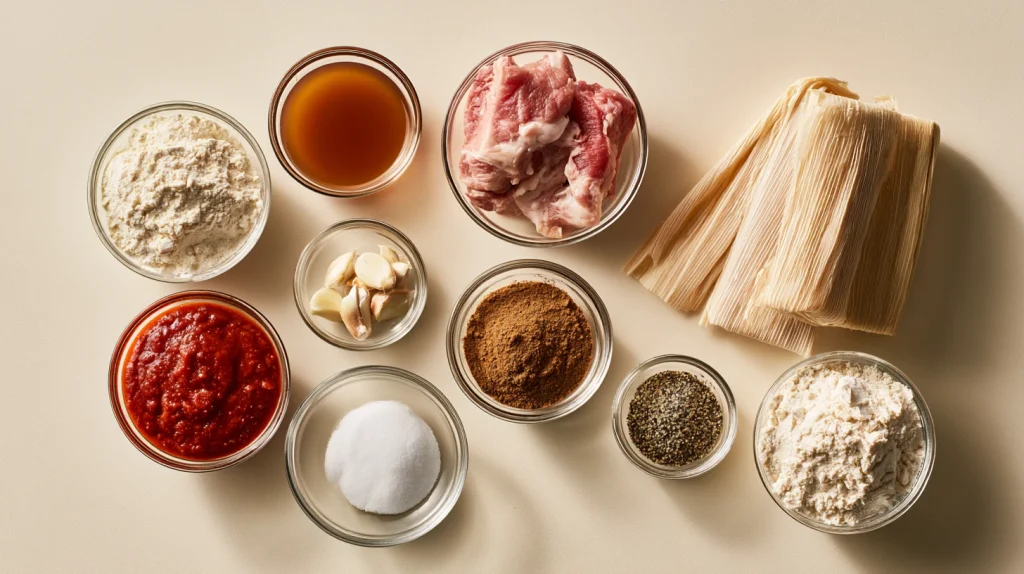
Step by Step Instructions

Step 1: Soak the Corn Husks and Prepare the Beef
Place the dried corn husks in a large bowl or pot and cover them completely with very warm water, using a plate to keep them submerged, then let them soak for 45 to 60 minutes until flexible; meanwhile, pat the beef chuck dry, season it with salt, black pepper, cumin, and oregano, heat the vegetable oil in a large heavy pot over medium high heat, brown the beef on several sides, then add the quartered onion, garlic, bay leaves, and beef broth, bring everything to a gentle simmer, reduce the heat, cover the pot, and cook for about 2 to 2 1/2 hours until the beef pulls apart easily with a fork.
Step 2: Prepare the Beef Filling and Chile Sauce
Remove the tender beef from its cooking liquid and reserve the broth, let the meat cool enough to handle, shred it with two forks into medium sized pieces, then simmer the guajillo and ancho chiles in hot water for about 8 minutes until softened, drain them, transfer them to a blender with the garlic, onion, cumin, oregano, salt, vinegar, and 1 cup of reserved beef broth, blend until smooth, strain the sauce if you want a particularly silky filling, combine the sauce with the shredded beef in a skillet, cook over medium heat for 8 to 10 minutes until the sauce coats the meat and becomes thick enough that it does not run from the tamale, then set the filling aside to cool slightly.
Step 3: Prepare and Test the Masa
Place the softened lard in a large mixing bowl and beat until smooth and slightly lighter, combine the masa harina, baking powder, and salt separately, then gradually add the dry ingredients to the lard while alternating with warm beef broth until you have a soft, moist dough that spreads easily without being runny, let the masa rest for about 10 minutes so the flour can absorb the liquid, then check the texture and add warm broth one tablespoon at a time if it feels dry or add a small amount of masa harina if it feels too wet, making sure the final dough is soft enough to spread without cracking.
Step 4: Assemble the Tamales
Place one softened corn husk on a clean work surface with the smoother side facing upward and the wider end closest to you, spread about 2 to 3 tablespoons of masa over the center in a thin even layer while leaving space around the edges, place approximately 1 1/2 to 2 tablespoons of beef filling in the middle of the masa, fold both sides of the husk inward so the masa surrounds the filling, then fold the narrow end upward and place the assembled tamale upright with the folded end facing downward, keeping the tamales close enough together to stand but leaving enough room for steam to circulate.
Step 5: Steam the Tamales
Fill the bottom of a large steamer with enough water to remain below the steaming rack, bring the water to a strong simmer before arranging the tamales in the steamer, stand the tamales upright with the open ends facing upward, cover the pot tightly, steam for approximately 75 to 90 minutes, check the water occasionally without leaving the lid open for long, add more hot water if necessary to prevent the pot from becoming dry, and continue cooking until the masa feels firm and separates easily from the corn husk.
Step 6: Rest and Serve
Turn off the heat when the tamales are fully cooked, keep the lid closed, and allow them to rest for 10 to 15 minutes so the masa can finish setting, then carefully remove one tamale and open the husk to check that the masa separates cleanly and has a tender cooked texture, transfer the remaining tamales to a serving platter, keep them covered until ready to eat, and serve them hot with salsa, fresh toppings, and your preferred side dishes.
How to Serve
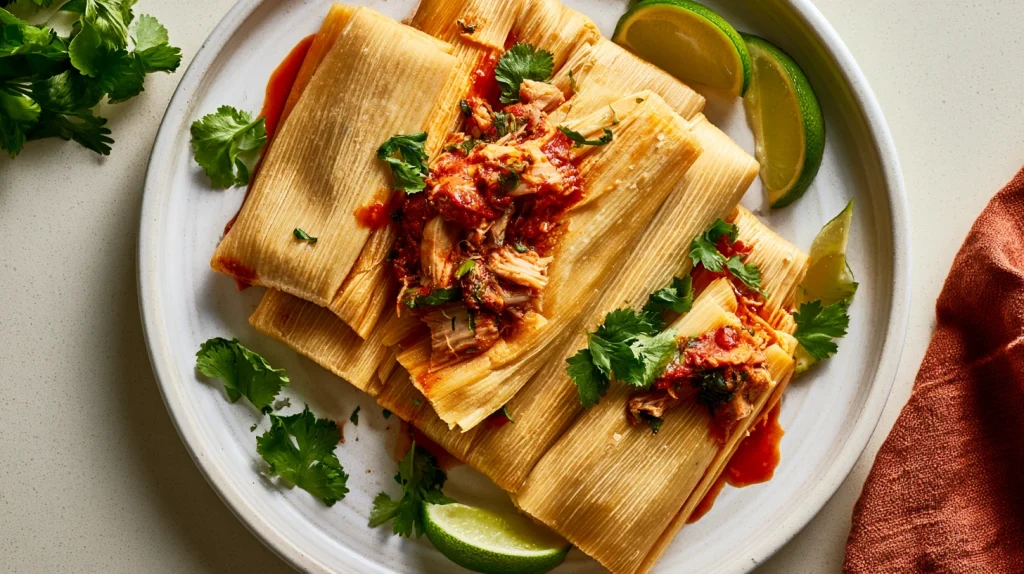
A good serving approach is to avoid covering the entire tamale with sauce. A small amount on top lets the masa remain visible and allows the diner to appreciate the contrast between the corn dough and the beef filling.
Additional Tips
For the best results, think about the texture of each component before moving forward. A successful tamales recipe depends less on complicated equipment and more on getting these basic textures right.
Recipe Variations
These variations are useful when you want Authentic Tamale Recipe Ideas while keeping the same basic masa and steaming technique. The most important thing is to avoid fillings that contain excessive liquid because they can interfere with the texture of the masa.
Freezing and Storage
Nutritional Information
These values are estimates and can change depending on the exact cut of beef, amount of lard, broth, filling size, and serving size. Serving the tamales with rice, beans, cheese, crema, or other sides will also change the overall nutritional value of the meal.
Final Words
Making tamales at home takes some organization, but it is absolutely achievable for a home cook. The key is to divide the recipe into manageable parts instead of trying to do everything at once. Prepare the beef, make the chile sauce, soak the husks, mix the masa, assemble the tamales, and then let the steamer do the final work. This tamales recipe is especially useful because the filling can be prepared ahead and the finished tamales can be refrigerated or frozen. That makes the effort worthwhile because one cooking session can provide several meals.
If you are searching for the Best Tamales Recipe Beef, focus on the fundamentals rather than complicated tricks. Use tender beef, a properly seasoned chile sauce, soft masa, flexible husks, and steady steam. Those elements create the texture and flavor people expect from well prepared tamales. If you have ever asked, How Do You Cook Tamales, the answer is that steaming is the essential cooking method. The tamales need enough time and steady steam for the masa to cook completely and separate from the husk.
The same approach also gives you a practical Tamales Easy Recipe once you become familiar with the process. The first batch may take longer because you are learning how the masa should feel and how tightly to fold the husks. After that, assembly becomes much faster. There is also something especially rewarding about making Homemade Tamales Authentic in your own kitchen. You can control the seasoning, filling, texture, and serving style while preparing enough for an entire family.
Whether you are looking for Authentic Tamale Dinner Ideas for a celebration or simply want a satisfying weekend cooking project, this recipe provides a reliable starting point. Prepare the filling ahead when possible, keep your masa soft, do not overfill the husks, and give the finished tamales time to rest. Once you make your first successful batch, you will have a technique that can be used again and again. Change the filling, adjust the chile sauce, experiment with cheese or vegetables, and create your own favorite combination.
Tamales are worth making because they turn simple ingredients into a deeply satisfying meal. With patience and attention to texture, you can produce tender, flavorful tamales at home that are ideal for sharing, freezing, and enjoying whenever you want a comforting traditional style meal.
FAQs

Tamales Recipe – Easy Homemade Beef Tamales Dinner
Course: Dinner Recipes12
servings1
hour15
minutes2
hours30
minutes520
kcalIngredients
- For the Corn Husks
24 to 30 dried corn husks
Warm water, enough to completely cover the husks
- For the Beef Filling
2 pounds beef chuck roast
1 medium yellow onion, quartered
4 garlic cloves
2 bay leaves
1 teaspoon ground cumin
1 teaspoon dried oregano
1 1/2 teaspoons salt
1/2 teaspoon black pepper
4 cups beef broth
1 tablespoon vegetable oil
- For the Red Chile Sauce
4 dried guajillo chiles, stems and seeds removed
2 dried ancho chiles, stems and seeds removed
2 garlic cloves
1/4 medium onion
1 teaspoon ground cumin
1/2 teaspoon dried oregano
1/2 teaspoon salt
1 tablespoon apple cider vinegar
1 cup reserved beef cooking broth
- For the Masa
4 cups masa harina
2 1/2 cups warm beef broth, plus more if needed
1 1/2 cups softened lard
2 teaspoons baking powder
1 1/2 teaspoons salt
Directions
- Place the dried corn husks in a large bowl or pot and cover them completely with very warm water, using a plate to keep them submerged, then let them soak for 45 to 60 minutes until flexible; meanwhile, pat the beef chuck dry, season it with salt, black pepper, cumin, and oregano, heat the vegetable oil in a large heavy pot over medium high heat, brown the beef on several sides, then add the quartered onion, garlic, bay leaves, and beef broth, bring everything to a gentle simmer, reduce the heat, cover the pot, and cook for about 2 to 2 1/2 hours until the beef pulls apart easily with a fork.
- Remove the tender beef from its cooking liquid and reserve the broth, let the meat cool enough to handle, shred it with two forks into medium sized pieces, then simmer the guajillo and ancho chiles in hot water for about 8 minutes until softened, drain them, transfer them to a blender with the garlic, onion, cumin, oregano, salt, vinegar, and 1 cup of reserved beef broth, blend until smooth, strain the sauce if you want a particularly silky filling, combine the sauce with the shredded beef in a skillet, cook over medium heat for 8 to 10 minutes until the sauce coats the meat and becomes thick enough that it does not run from the tamale, then set the filling aside to cool slightly.
- Place the softened lard in a large mixing bowl and beat until smooth and slightly lighter, combine the masa harina, baking powder, and salt separately, then gradually add the dry ingredients to the lard while alternating with warm beef broth until you have a soft, moist dough that spreads easily without being runny, let the masa rest for about 10 minutes so the flour can absorb the liquid, then check the texture and add warm broth one tablespoon at a time if it feels dry or add a small amount of masa harina if it feels too wet, making sure the final dough is soft enough to spread without cracking.
- Place one softened corn husk on a clean work surface with the smoother side facing upward and the wider end closest to you, spread about 2 to 3 tablespoons of masa over the center in a thin even layer while leaving space around the edges, place approximately 1 1/2 to 2 tablespoons of beef filling in the middle of the masa, fold both sides of the husk inward so the masa surrounds the filling, then fold the narrow end upward and place the assembled tamale upright with the folded end facing downward, keeping the tamales close enough together to stand but leaving enough room for steam to circulate.
- Fill the bottom of a large steamer with enough water to remain below the steaming rack, bring the water to a strong simmer before arranging the tamales in the steamer, stand the tamales upright with the open ends facing upward, cover the pot tightly, steam for approximately 75 to 90 minutes, check the water occasionally without leaving the lid open for long, add more hot water if necessary to prevent the pot from becoming dry, and continue cooking until the masa feels firm and separates easily from the corn husk.
- Turn off the heat when the tamales are fully cooked, keep the lid closed, and allow them to rest for 10 to 15 minutes so the masa can finish setting, then carefully remove one tamale and open the husk to check that the masa separates cleanly and has a tender cooked texture, transfer the remaining tamales to a serving platter, keep them covered until ready to eat, and serve them hot with salsa, fresh toppings, and your preferred side dishes.