
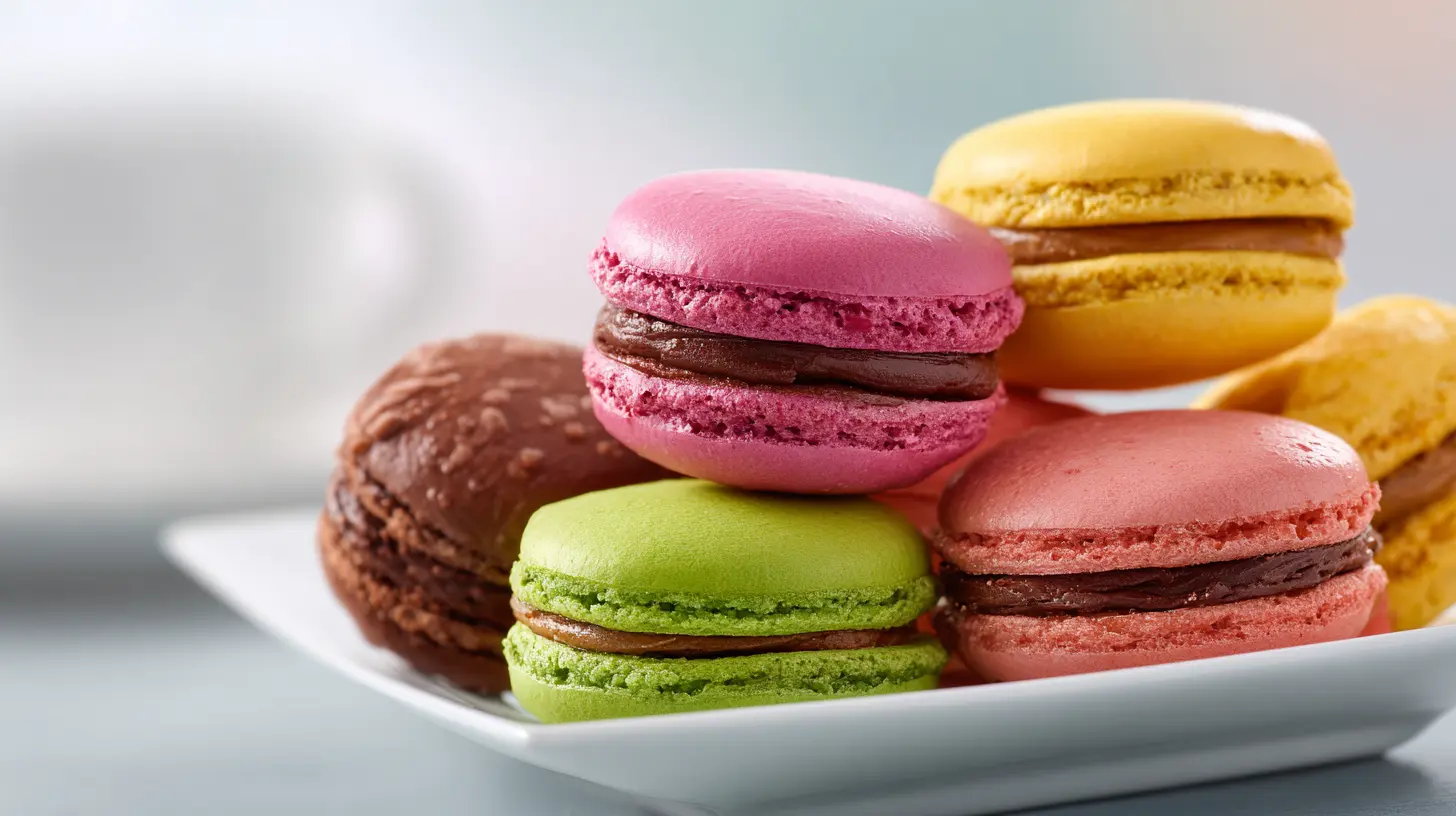
Macarons Recipe – Easy Steps for Perfect French Cookies
Macarons Recipe
Macarons are delicate French cookies that have captured the hearts of home bakers and pastry enthusiasts worldwide. With their crisp exterior, soft and airy interior, and smooth, flavorful fillings, macarons offer a refined balance of texture and taste. Unlike ordinary cookies, macarons combine precision and artistry in baking, making them visually stunning and uniquely satisfying to eat. Each bite melts in your mouth, releasing flavors that can range from fruity and floral to rich chocolate or nutty, providing a miniature dessert experience that feels luxurious.
People love macarons because they are versatile, beautiful, and customizable. These treats are often filled with ganache, buttercream, or jam, allowing endless flavor combinations and seasonal variations. Their vibrant colors make them perfect for gifting, special occasions, or elegant dessert platters. Home bakers are especially drawn to macarons because mastering them delivers a sense of accomplishment. With a macarons recipe in hand, anyone can achieve bakery-quality results using careful technique and fresh, high-quality ingredients.
Macarons also hold a special place in dessert culture due to their French origin, where they are a symbol of refinement and precision. Each macaron is an opportunity to explore flavor creativity, from classic vanilla and chocolate to inventive flavors like salted caramel, pistachio, or lavender. The crisp shell combined with a chewy center and luscious filling creates a texture contrast that is unparalleled in the world of cookies. Macarons embody both artistry and flavor, making them irresistible to both bakers and dessert lovers alike.
Why You’ll Love This Recipe
This macarons recipe is designed to guide home cooks step by step, making the process approachable while achieving professional results. The method emphasizes proper mixing, accurate folding, and careful baking, which ensures that each macaron has smooth shells, feet, and a soft interior. By following the recipe, you gain confidence in handling meringue, folding almond flour and sugar, and managing oven temperature, all crucial skills for macarons.
The recipe is versatile, allowing the use of various fillings and flavors. Whether you want to create DIY macaron recipe inspiration for chocolate ganache, fruit jams, or flavored buttercreams, this recipe provides a foundation that can be adapted for countless macaroon flavor ideas. The technique ensures consistent sizing, smooth surfaces, and even baking, which are essential for beginner bakers attempting macarons for the first time.
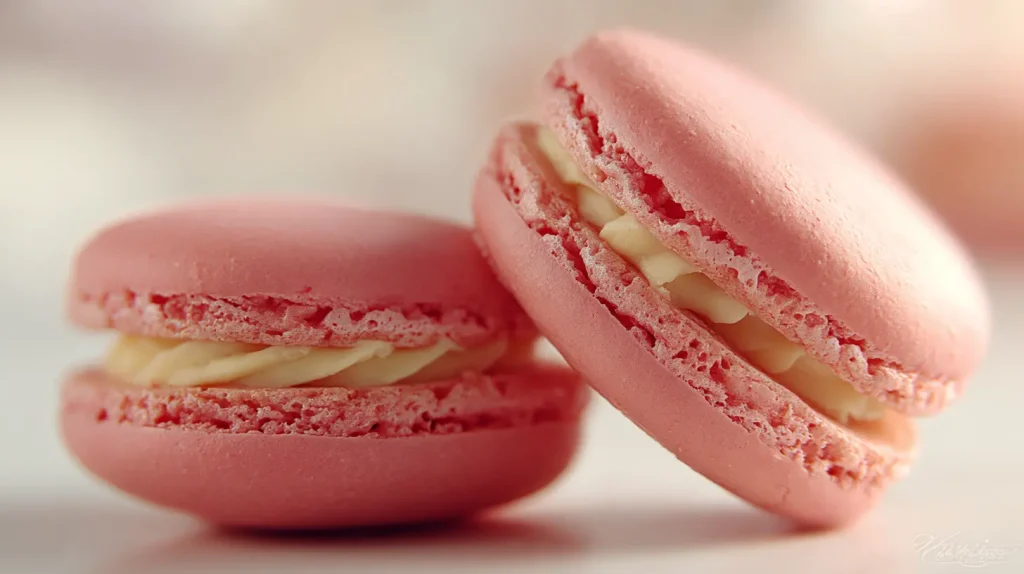
Additionally, this macarons recipe allows for creative exploration of flavors and colors. You can experiment with seasonal macaron flavors or make flavored macarons inspired by popular tastes such as salted caramel, raspberry, lemon, pistachio, or chocolate hazelnut. The recipe also supports filling combinations for macarons, giving bakers the freedom to personalize each batch. It’s a recipe that balances the challenge of traditional macarons with practical guidance for home kitchens.
Preparation and Cooking Time, also serving
Ingredients
For the macaron shells:
For the filling:
Substitution Notes
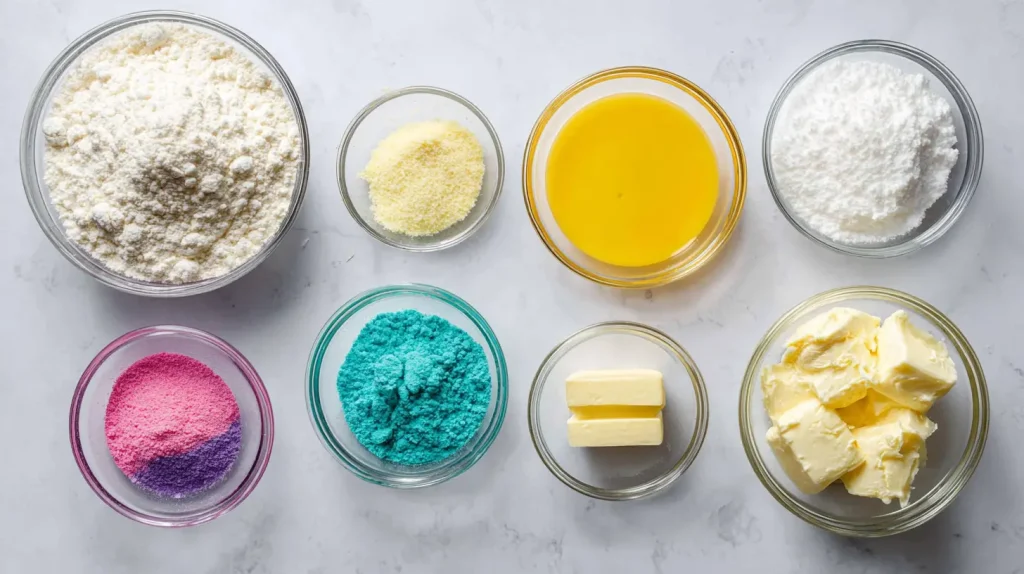
Step-by-Step Instructions
Step 1: Prepare baking sheets
Line two baking sheets with parchment paper or silicone baking mats. Mark circles using a template to guide piping uniform macarons.
Step 2: Sift dry ingredients
Sift almond flour and powdered sugar together into a bowl to remove lumps and ensure smooth shells.
Step 3: Beat egg whites
In a clean, dry bowl, beat egg whites on medium speed until foamy. Add cream of tartar if using. Gradually add granulated sugar and continue to beat until stiff peaks form.
Step 4: Add coloring
Fold in food coloring into meringue gently if using, until color is evenly distributed.
Step 5: Fold dry ingredients
Add sifted almond flour mixture into meringue. Fold carefully using a spatula until batter flows slowly like lava and ribbons fall from the spatula.
Step 6: Transfer to piping bag
Fit a piping bag with a round tip and fill it with macaron batter.
Step 7: Pipe macarons
Pipe small rounds onto prepared baking sheets using templates as guides. Tap baking sheets lightly on the counter to release air bubbles.
Step 8: Rest the shells
Allow macarons to rest at room temperature for 30 to 60 minutes until a thin skin forms on the surface and they are no longer sticky to touch.
Step 9: Preheat oven
Preheat oven to 150°C. Ensure oven racks are centered and stable.
Step 10: Bake
Bake macarons for 14 to 18 minutes, rotating trays halfway through for even baking. Shells should be firm with feet developed at the base.
Step 11: Cool shells
Remove macarons from oven and let them cool completely on the baking sheets before removing.
Step 12: Prepare filling
Whip softened butter with powdered sugar until light and creamy. Add flavor extract or puree and optional cream. Mix until smooth.
Step 13: Assemble macarons
Pair shells of similar size. Pipe filling onto one shell and sandwich with the other. Press gently to spread filling evenly.
Step 14: Mature macarons
Place assembled macarons in an airtight container in the refrigerator for 24 hours to allow flavors to meld and texture to improve.
How to Serve
Serve macarons at room temperature for optimal flavor and texture. Arrange them on a decorative platter or tiered dessert stand for elegant presentation. For special occasions, alternate colors to create a visually appealing display. Pair macarons with tea, coffee, or champagne to enhance the tasting experience. They can also be served in gift boxes with paper liners for gifting or as part of a dessert buffet. Macarons can be garnished with edible glitter, dusting powders, or finely chopped nuts for added visual appeal.
Additional Tips
Recipe Variations

Freezing and Storage
Nutritional Information
Approximate values per 2 macarons:
Final Words
Macarons recipe allows home bakers to create visually stunning and delicious desserts that rival professional patisseries. By mastering the art of meringue, folding, and piping, bakers achieve smooth shells, delicate feet, and soft, chewy interiors. Each batch is an opportunity to explore flavor creativity and personalize fillings to match tastes and occasions.
Making macarons teaches precision, patience, and attention to detail while providing a highly rewarding result. The combination of textures and flavors, from crisp shell to creamy filling, makes macarons irresistible and versatile. This recipe provides a strong foundation for both beginners and experienced bakers, supporting experimentation with seasonal macaron flavors, caramel macaron variations, and fruit-filled or chocolate options.
With practice, macarons become a reliable, elegant dessert for celebrations, gifts, or personal indulgence. Following this macarons recipe ensures consistency, beautiful presentation, and the satisfaction of crafting gourmet French cookies in your own kitchen. Home cooks gain not only skill but also the joy of sharing a treat that is both artistic and delicious, proving that macarons are as rewarding to make as they are to enjoy.
FAQ’s

Macarons Recipe – Easy Steps for Perfect French Cookies
Course: Desserts24
servings45
minutes20
minutes110
kcalIngredients
- For the macaron shells:
Almond flour 120 g
Powdered sugar 200 g
Egg whites 100 g (room temperature)
Granulated sugar 50 g
Cream of tartar ¼ teaspoon optional
Food coloring optional as needed
- For the filling:
Butter 100 g softened
Powdered sugar 120 g
Flavor extract or puree 1 teaspoon or 1 tablespoon depending on flavor
Heavy cream 2 teaspoons optional for creamier texture
Directions
- Line two baking sheets with parchment paper or silicone baking mats. Mark circles using a template to guide piping uniform macarons.
- Sift almond flour and powdered sugar together into a bowl to remove lumps and ensure smooth shells.
- In a clean, dry bowl, beat egg whites on medium speed until foamy. Add cream of tartar if using. Gradually add granulated sugar and continue to beat until stiff peaks form.
- Fold in food coloring into meringue gently if using, until color is evenly distributed.
- Add sifted almond flour mixture into meringue. Fold carefully using a spatula until batter flows slowly like lava and ribbons fall from the spatula.
- Fit a piping bag with a round tip and fill it with macaron batter.
- Pipe small rounds onto prepared baking sheets using templates as guides. Tap baking sheets lightly on the counter to release air bubbles.
- Allow macarons to rest at room temperature for 30 to 60 minutes until a thin skin forms on the surface and they are no longer sticky to touch.
- Preheat oven to 150°C. Ensure oven racks are centered and stable.
- Bake macarons for 14 to 18 minutes, rotating trays halfway through for even baking. Shells should be firm with feet developed at the base.
- Remove macarons from oven and let them cool completely on the baking sheets before removing.
- Whip softened butter with powdered sugar until light and creamy. Add flavor extract or puree and optional cream. Mix until smooth.
- Pair shells of similar size. Pipe filling onto one shell and sandwich with the other. Press gently to spread filling evenly.
- Place assembled macarons in an airtight container in the refrigerator for 24 hours to allow flavors to meld and texture to improve.
Notes
- Use aged egg whites for better meringue stability.
- Sift almond flour and powdered sugar together at least twice to avoid bumps on shells.
- Room temperature ingredients help achieve proper macaron texture.
- Avoid overmixing batter to preserve air while ensuring smooth consistency.
- Allow macarons to rest long enough for skin formation to prevent cracking.
- Monitor oven temperature carefully; small fluctuations affect rise and feet formation.
- For consistent sizing, use templates under parchment paper when piping.
- Experiment with flavors using extracts, purees, or cocoa powder for diverse macaron flavors.