
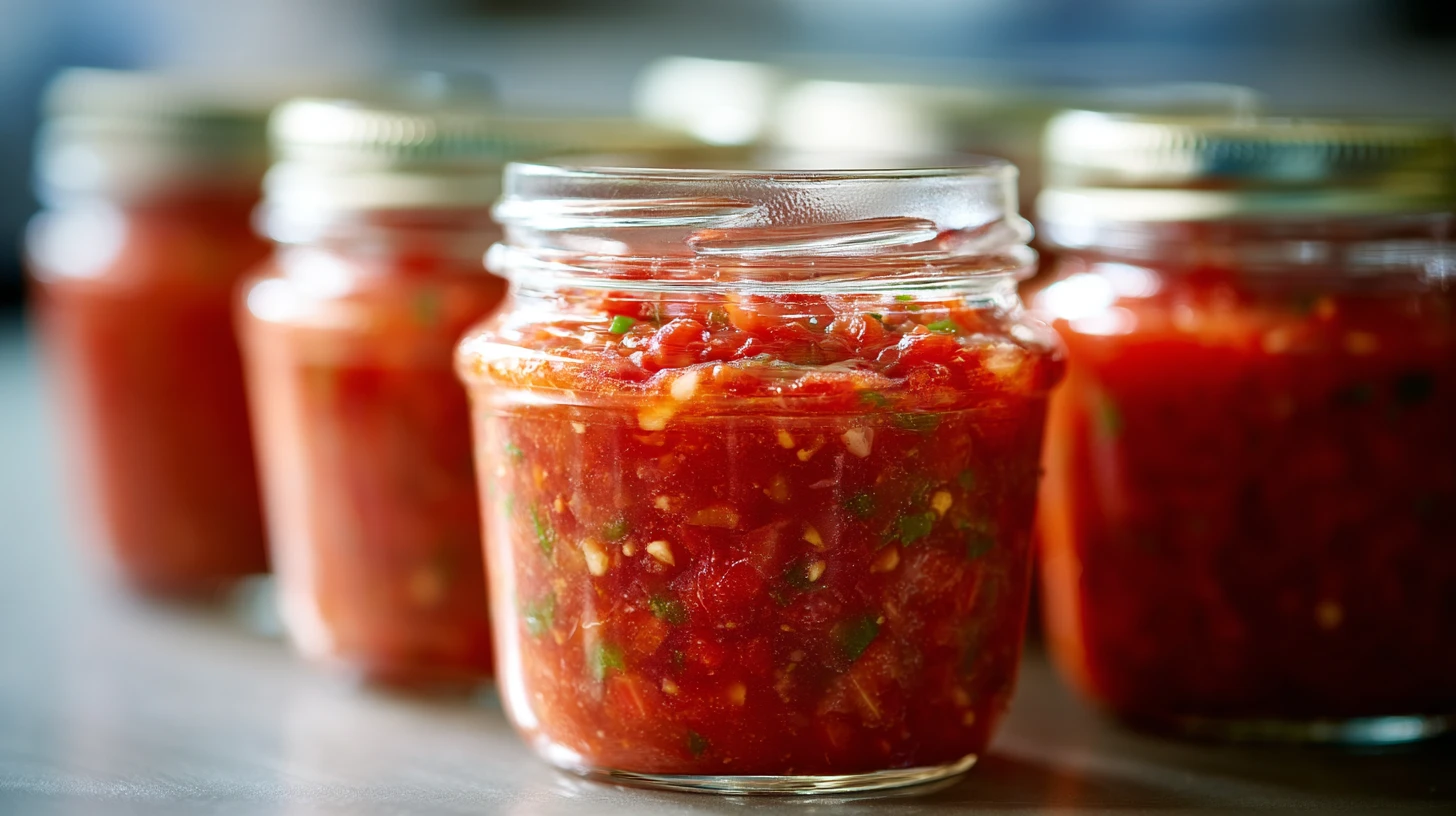
Canning Salsa Recipe Step-by-Step Guide for Homemade Flavor
Canning Salsa
Nothing says homemade goodness quite like canning salsa. The vibrant mix of tomatoes, peppers, onions, and spices captured in a jar brings the taste of summer into your pantry all year long. What makes this dish special is its ability to preserve the freshness of tomatoes while enhancing flavors with a delicate balance of acidity, sweetness, and spice. Every spoonful delivers a lively, tangy, and slightly smoky profile that works perfectly with chips, tacos, or as a topping for meats.
Home cooks love canning salsa for its versatility and long shelf life. Unlike store-bought options, homemade canned salsa allows control over ingredients, spice levels, and texture. Whether using ripe heirloom tomatoes or a blend of fresh garden produce, the process of canning transforms raw ingredients into a concentrated, flavorful sauce that tastes as though it was just picked. This guide will walk you through everything you need to make the best homemade salsa for canning, from ingredient selection to step-by-step preservation techniques.
Why You’ll Love This Recipe
There are countless reasons to make your own canning salsa at home, and each one highlights both practicality and culinary satisfaction.
With this recipe, you can achieve super simple salsa for canning that is both reliable and delicious every time.
Preparation and Cooking Time
Preparation time includes chopping vegetables, roasting or cooking the tomatoes, and sterilizing jars. Cooking time covers simmering the salsa and completing the water bath canning process.
Ingredients
Substitution notes
Step-by-Step Instructions
Step 1: Prepare Your Jars
Sterilize your canning jars by boiling them in water for 10 minutes or running them through a hot dishwasher cycle. Ensure lids and bands are clean and free of debris. Proper sterilization is key to safe best salsa canning recipe.
Step 2: Roast or Boil Tomatoes
For deeper flavor, roast tomatoes at 400°F for 20–25 minutes until the skins start to char, or blanch them in boiling water for 1–2 minutes and peel. This step intensifies the tomato taste in your thick salsa recipe for canning.
Step 3: Chop Vegetables
While tomatoes cool, finely chop onions, bell peppers, and jalapeños. Mince garlic and cilantro. Uniform chopping ensures even flavor distribution and a balanced texture.
Step 4: Cook the Salsa
In a large, heavy-bottomed pot, combine roasted tomatoes, chopped vegetables, garlic, vinegar, lime juice, salt, sugar, cumin, and smoked paprika. Bring to a gentle boil, then reduce heat to a simmer. Stir frequently, simmering for 20–25 minutes, until the salsa thickens slightly. This creates a robust base for medium salsa recipe for canning.
Step 5: Adjust Seasoning
Taste and adjust salt, sugar, or lime juice to balance acidity and flavor. For best homemade canned salsa with fresh tomatoes, ensuring correct seasoning before canning is crucial, as flavors intensify during storage.
Step 6: Fill Jars and Remove Air Bubbles
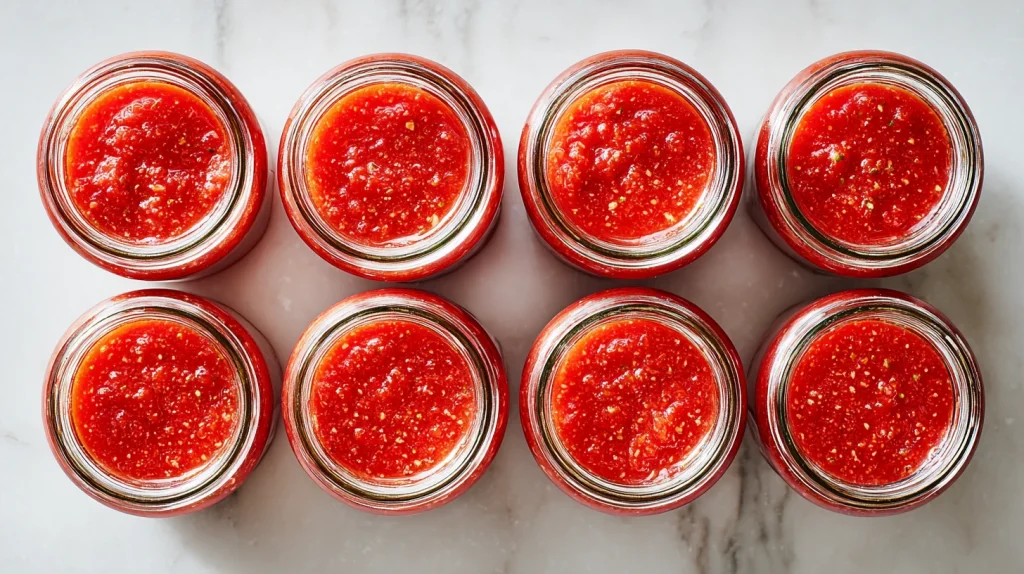
Ladle hot salsa into sterilized jars, leaving about 1/2 inch of headspace. Use a spatula or chopstick to remove air bubbles. Wipe rims clean to ensure a proper seal.
Step 7: Apply Lids and Bands
Place lids on jars and screw bands on until fingertip tight. Do not over-tighten. Proper sealing prevents contamination and ensures long shelf life.
Step 8: Water Bath Canning
Place jars in a boiling water bath, ensuring water covers the jars by at least 1 inch. Boil for 15–20 minutes for half-pint jars (adjust time for larger jars). Remove jars carefully and let cool undisturbed for 12–24 hours.
Step 9: Check Seals
After jars cool, check that lids are sealed. Press the center if it doesn’t pop, the seal is secure. Label jars with date and type of salsa. Proper sealing guarantees safe, shelf-stable canning recipes salsa.
How to Serve
Additional Tips
Recipe Variations
Freezing and Storage
Nutritional Information (Approximate per serving)
Values may vary based on tomato variety and ingredient choices.
Final Words
Making canning salsa at home is more than a way to preserve your harvest it’s a celebration of freshness, flavor, and tradition. Each jar holds the essence of summer vegetables, intensified and balanced through careful cooking and preservation techniques. With practice, this recipe allows you to consistently create salsa that tastes vibrant, tangy, and perfectly seasoned.
Canning salsa is also an opportunity to experiment with flavors. By adjusting peppers, herbs, or roasting methods, you can craft unique blends that suit your taste and family preferences. Whether you prefer a smooth medium salsa or a chunky roasted variety, the end result is a product that is entirely your own.
The process teaches valuable culinary skills, from proper chopping and roasting techniques to mastering water bath canning for safe preservation. These skills translate to other canning recipes, giving you confidence to preserve fruits, vegetables, and sauces throughout the year. Enjoy the versatility of your homemade canned salsa. It works as a dip, cooking ingredient, or condiment. Each spoonful brings a homemade touch to any meal, whether it’s a casual taco night, a festive gathering, or a simple weekday snack.
Finally, canning salsa at home allows you to capture peak-season flavors in a way that store-bought jars cannot match. By following this recipe carefully, you create salsa that is safe, flavorful, and ready to be enjoyed year-round. Embrace the process, experiment with variations, and savor the satisfaction of producing a truly homemade preserved product.
FAQ’s

Canning Salsa Recipe Step-by-Step Guide for Homemade Flavor
Course: Sauces8
servings30
minutes25
minutes65
kcalIngredients
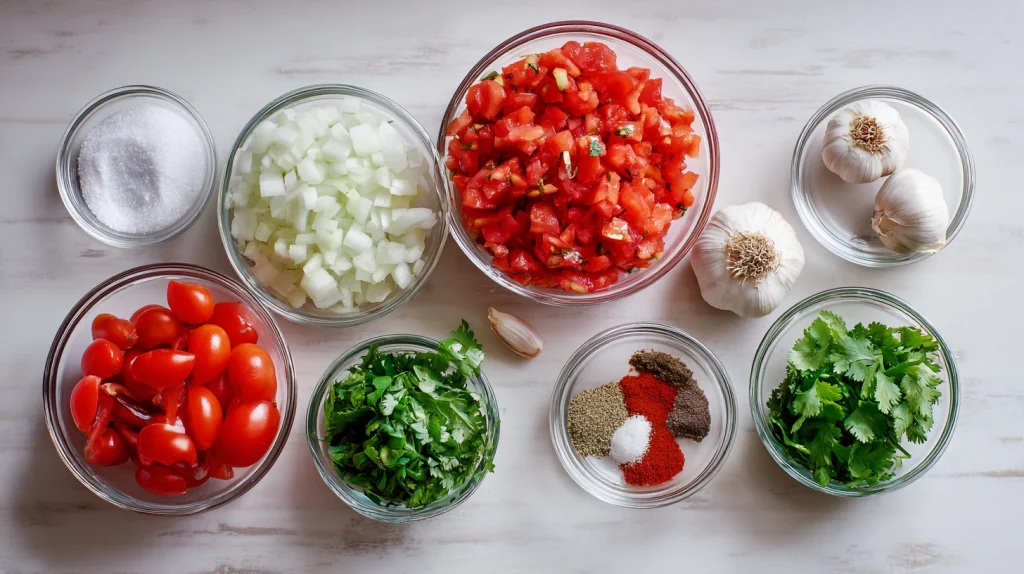
5 pounds fresh ripe tomatoes (heirloom or Roma)
2 medium onions, finely chopped
4 cloves garlic, minced
2–3 jalapeño peppers, seeded and chopped (adjust for desired heat)
1 red bell pepper, chopped
1 green bell pepper, chopped
1/2 cup fresh cilantro, chopped
1/4 cup apple cider vinegar
1 tablespoon lime juice
2 teaspoons salt
1 teaspoon sugar
1 teaspoon cumin
1/2 teaspoon black pepper
1/4 teaspoon smoked paprika (optional)
Directions
- Sterilize your canning jars by boiling them in water for 10 minutes or running them through a hot dishwasher cycle. Ensure lids and bands are clean and free of debris. Proper sterilization is key to safe best salsa canning recipe.
- For deeper flavor, roast tomatoes at 400°F for 20–25 minutes until the skins start to char, or blanch them in boiling water for 1–2 minutes and peel. This step intensifies the tomato taste in your thick salsa recipe for canning.
- While tomatoes cool, finely chop onions, bell peppers, and jalapeños. Mince garlic and cilantro. Uniform chopping ensures even flavor distribution and a balanced texture.
- In a large, heavy-bottomed pot, combine roasted tomatoes, chopped vegetables, garlic, vinegar, lime juice, salt, sugar, cumin, and smoked paprika. Bring to a gentle boil, then reduce heat to a simmer. Stir frequently, simmering for 20–25 minutes, until the salsa thickens slightly. This creates a robust base for medium salsa recipe for canning.
- Taste and adjust salt, sugar, or lime juice to balance acidity and flavor. For best homemade canned salsa with fresh tomatoes, ensuring correct seasoning before canning is crucial, as flavors intensify during storage.
- Ladle hot salsa into sterilized jars, leaving about 1/2 inch of headspace. Use a spatula or chopstick to remove air bubbles. Wipe rims clean to ensure a proper seal.
- Place lids on jars and screw bands on until fingertip tight. Do not over-tighten. Proper sealing prevents contamination and ensures long shelf life.
- Place jars in a boiling water bath, ensuring water covers the jars by at least 1 inch. Boil for 15–20 minutes for half-pint jars (adjust time for larger jars). Remove jars carefully and let cool undisturbed for 12–24 hours.
- After jars cool, check that lids are sealed. Press the center if it doesn’t pop, the seal is secure. Label jars with date and type of salsa. Proper sealing guarantees safe, shelf-stable canning recipes salsa.