
Chimichurri Sauce Recipe – Easy Herb-Infused Chimmi Churri
Chimichurri Sauce
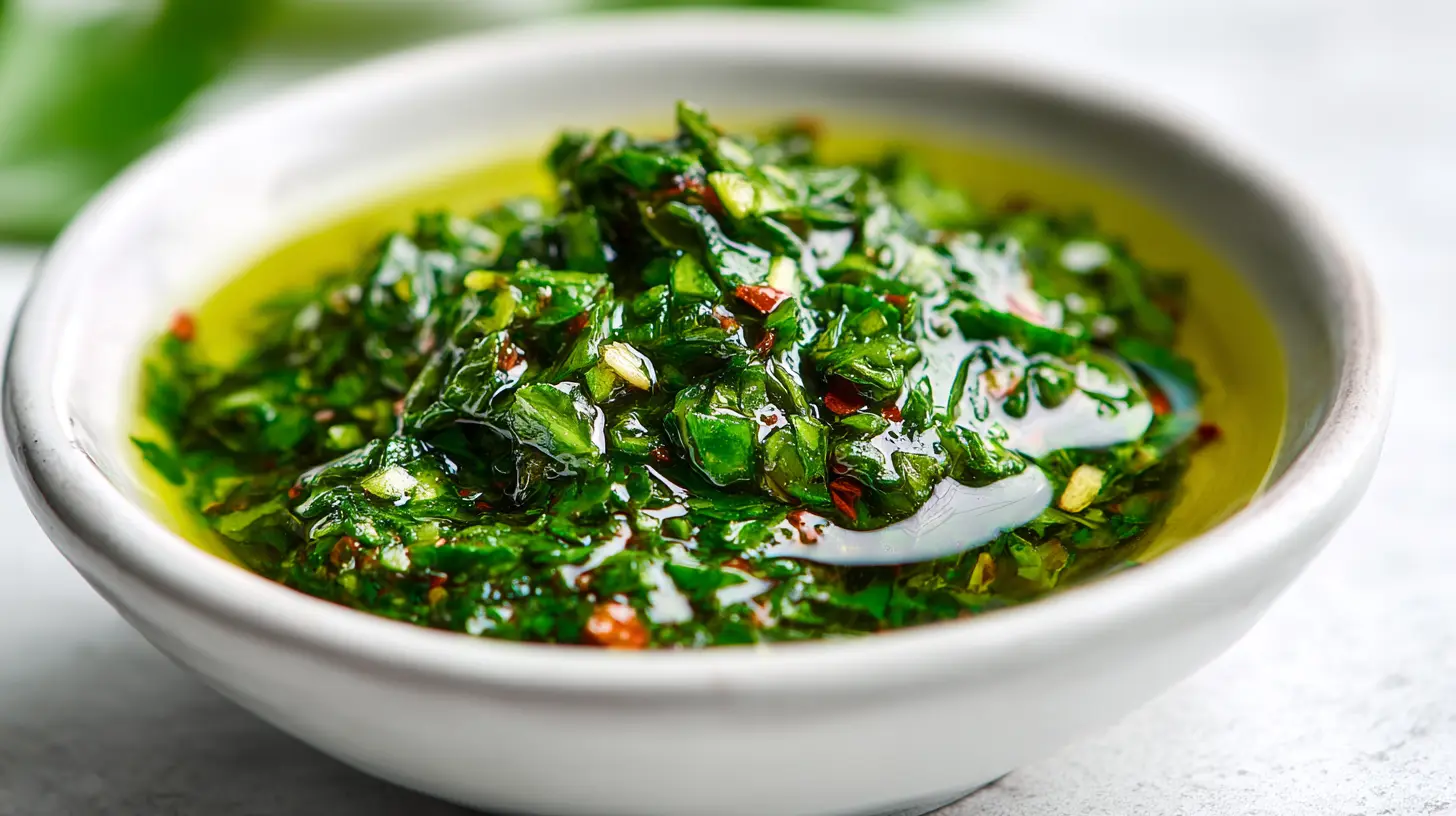
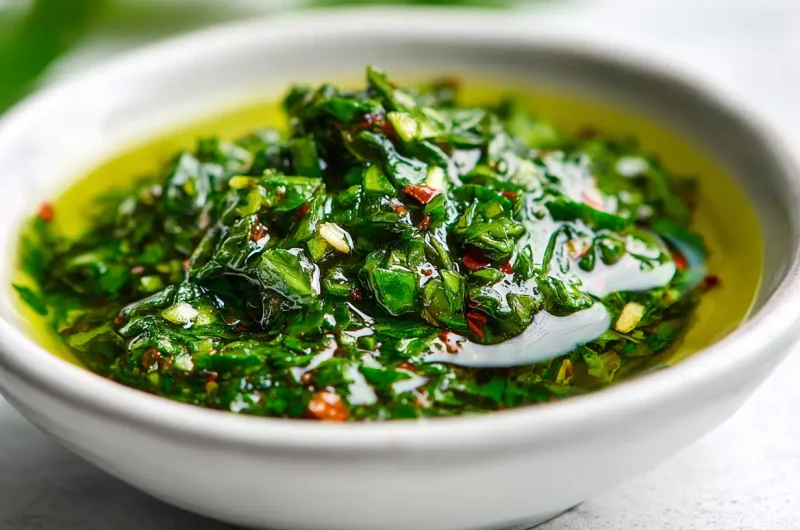
Chimichurri sauce is a vibrant, herb-packed condiment that has earned its place in kitchens worldwide. Originating in Argentina, this bright green sauce is renowned for its fresh, zesty flavor profile that combines garlic, parsley, vinegar, and oil into a harmonious blend. Unlike heavier sauces, chimichurri sauce is light yet intensely flavorful, offering a perfect complement to grilled meats, roasted vegetables, and even pasta dishes. The appeal of this sauce lies in its versatility and simplicity. With just a handful of fresh ingredients, you can transform any meal into a gourmet experience. Its tangy, garlicky punch awakens the palate while the herbaceous notes provide a refreshing lift, making chimichurri a favorite for steak lovers, home cooks, and professional chefs alike.
Whether drizzled over a perfectly seared churrasco steak or used as a marinade sauce for chicken and seafood, chimichurri sauce adds a layer of depth and brightness that is difficult to achieve with other condiments. Food enthusiasts appreciate chimichurri for its adaptability; it can be chunky or smooth, mild or fiery, depending on your preference. Its natural freshness and herb-infused flavor profile make it a staple in modern kitchens, earning it a reputation not just as a sauce, but as an essential culinary tool.
Why You’ll Love This Recipe
This chimichurri sauce recipe is designed to strike the perfect balance between authenticity and ease. It brings the best elements of traditional chimichurri ingredients together with modern kitchen convenience. You’ll love this recipe because it delivers bold flavor without overwhelming the main dish, making it ideal as both a finishing touch and a marinade sauce. Unlike store-bought alternatives, this sauce is bright, aromatic, and packed with fresh herbs, giving your dishes a gourmet touch with minimal effort.
The recipe also allows flexibility in ingredient choices and preparation style, so you can customize it to your taste. For home cooks, this means you can achieve restaurant-quality results without professional equipment. Whether you’re serving food for a family dinner, hosting friends, or experimenting with herbs in your pantry, this chimichurri sauce becomes a versatile ally in elevating your dishes. Beyond its culinary appeal, making chimichurri sauce at home ensures control over ingredients, freshness, and flavor intensity, creating a superior experience to bottled sauces.
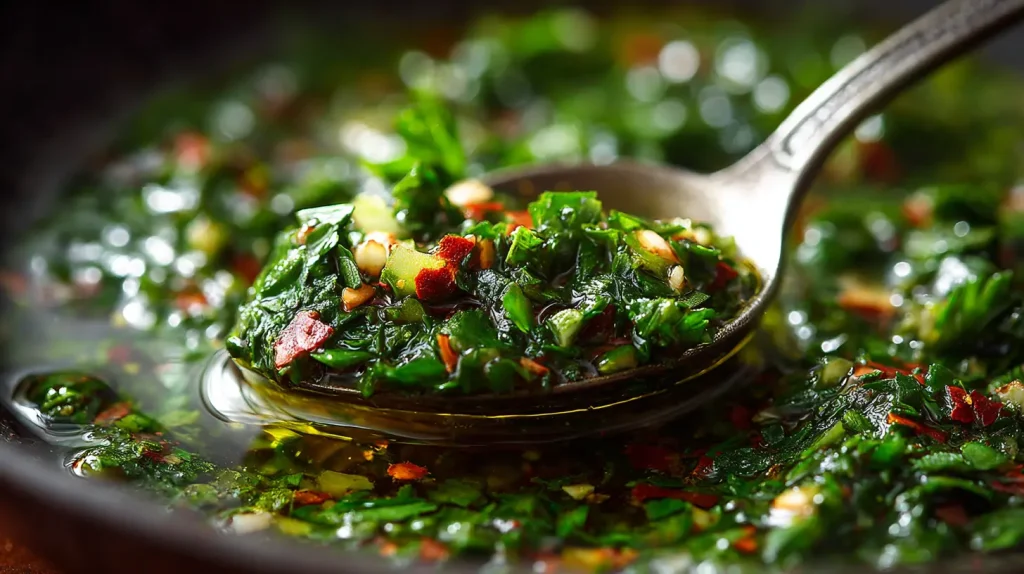
Additionally, this recipe is ideal for those interested in canning chimichurri sauce or freezing it for later use, making meal prep and entertaining easier. It’s a foundational recipe that opens the door to variations like green chimichurri sauce, garlic chimichurri sauce, and even Brazilian chimichurri recipes, allowing you to explore international flavors with confidence.
Preparation and Cooking Time
This preparation is mostly assembly. The flavor develops best after letting the sauce rest for at least 20 minutes, allowing the vinegar and oil to meld with the herbs and spices.
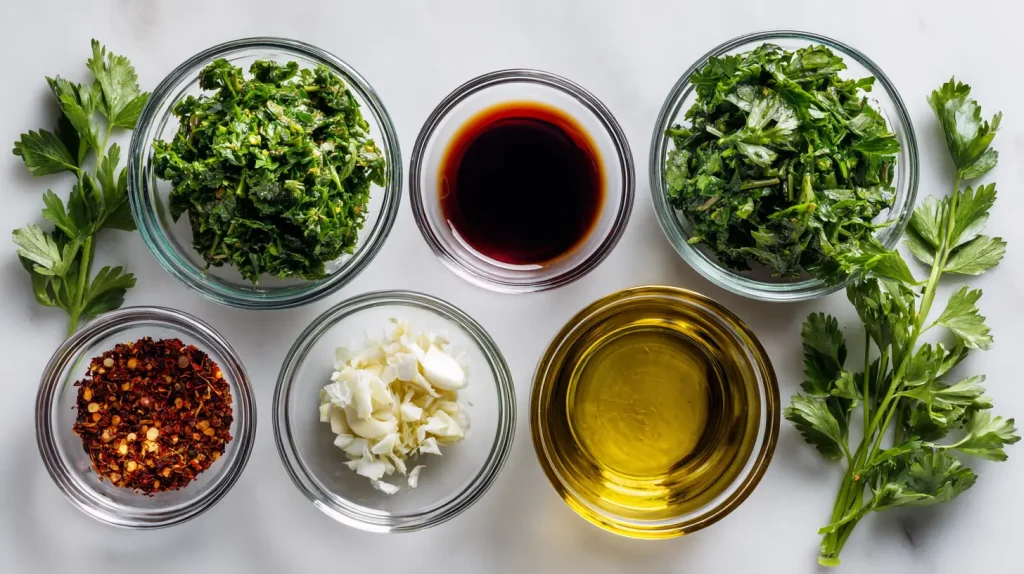
Ingredients
Substitution notes
Step-by-Step Instructions

Step 1: Prep the Herbs and Garlic
Start by washing and drying your parsley and cilantro thoroughly. Removing excess moisture ensures the sauce isn’t diluted. Finely chop the herbs using a sharp chef’s knife; uniform chopping ensures even flavor distribution. Mince the garlic cloves finely, as coarse pieces can overpower the sauce. For a smoother consistency, you can pulse the herbs and garlic lightly in a food processor, but traditional chimichurri sauce benefits from hand-chopped textures.
Step 2: Combine the Ingredients
In a medium bowl, add the chopped parsley, cilantro, and oregano. Mix in the minced garlic and red pepper flakes. Slowly pour in the olive oil while stirring gently. Add the red wine vinegar and lemon juice, then season with salt and black pepper. Stir until all ingredients are thoroughly combined, creating a cohesive yet slightly textured sauce. The oil should coat the herbs evenly without pooling.
Step 3: Rest to Marry Flavors
Allow the chimichurri sauce to rest at room temperature for at least 20 minutes. This resting period lets the acidity from the vinegar and lemon juice balance the richness of the olive oil, while the garlic and herbs infuse the mixture with full flavor. For more intense flavor, cover and refrigerate the sauce for up to 2 hours before serving. The flavors deepen, creating a more complex, herb-infused chimichurri sauce.
Step 4: Taste and Adjust
After resting, taste your sauce and adjust seasonings as needed. Add more salt for depth, additional vinegar for tang, or extra red pepper flakes for heat. A well-balanced chimichurri sauce should have a bright, tangy flavor with an herbal freshness and a hint of spice. This step ensures your sauce complements rather than competes with your main dishes.
Step 5: Serve or Store
Chimichurri sauce can be served immediately over grilled meats, roasted vegetables, or used as a marinade. For storage, transfer the sauce to an airtight container and refrigerate. It keeps for up to one week in the refrigerator. You can also freeze it in ice cube trays for convenient single-serving portions. This flexibility makes chimichurri sauce not just a condiment but a time-saving culinary tool.
How to Serve
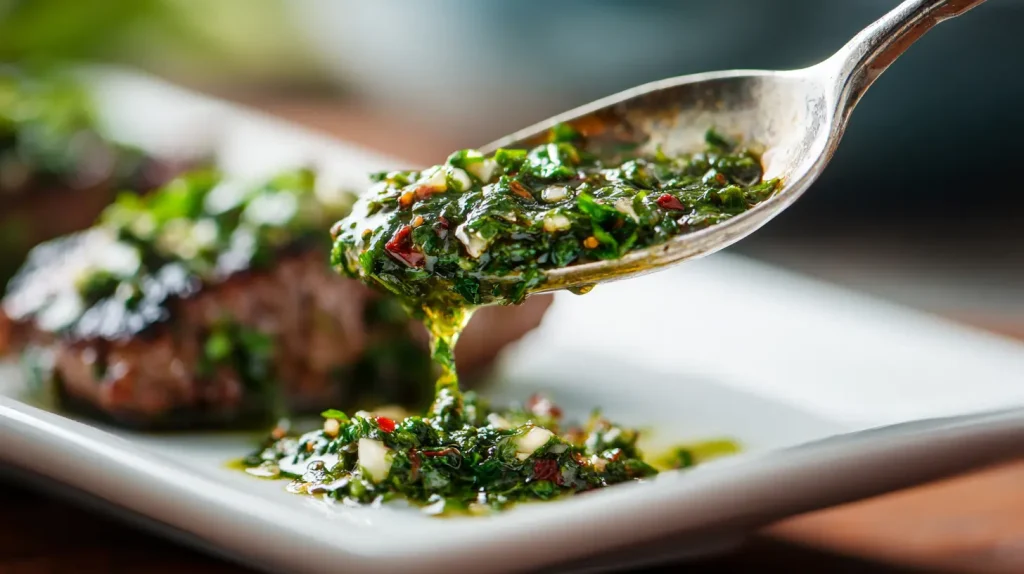
Chimichurri sauce pairs beautifully with grilled or roasted dishes. Drizzle generously over a perfectly seared churrasco steak or use it as a finishing touch on roasted chicken or seafood. For vegetarian options, spoon it over grilled vegetables or baked tofu. For pasta enthusiasts, chimichurri sauce doubles as a herb-seasoned pasta recipe sauce, adding freshness without heaviness.
Presentation is key. Serve chimichurri sauce in a small bowl alongside the main dish or lightly spooned over sliced steak or chicken. Garnish with additional parsley or a lemon wedge for visual appeal. It also pairs well with roasted potatoes, corn on the cob, or as a chimichurri dressing for salads, offering a vibrant pop of color and flavor.
Additional Tips
Recipe Variations
Freezing and Storage
Nutritional Information (per 2 tablespoons)
Final Words
Creating chimichurri sauce at home is a simple yet rewarding culinary experience. With fresh herbs, quality olive oil, and a touch of acidity, you can elevate everyday meals into unforgettable dishes. This recipe empowers home cooks to bring bold, professional flavors to the table without complicated techniques or ingredients. Experimenting with variations like green chimichurri sauce, garlic chimichurri, or Brazilian chimichurri recipes adds endless possibilities to your kitchen.
By mastering this chimichurri sauce recipe, you not only gain a versatile marinade and condiment but also a foundational skill in herb-based sauces. Whether drizzled over steak, tossed with pasta, or served as a dressing, chimichurri sauce transforms ordinary meals into memorable ones. Its bright, herbaceous character, combined with simple preparation, ensures that you’ll return to this recipe again and again, making it a staple in your culinary repertoire.
FAQ’s
Chimichurri Sauce Recipe – Easy Herb-Infused Chimmi Churri
Course: Sauces8
servings10
minutes20
minutes120
kcalIngredients
1 cup fresh flat-leaf parsley, finely chopped
1/2 cup fresh cilantro, finely chopped (optional, for added freshness)
4-5 garlic cloves, minced
2 tablespoons fresh oregano, chopped (or 1 tablespoon dried oregano)
1/2 teaspoon red pepper flakes (adjust to taste)
1/2 cup extra-virgin olive oil
3 tablespoons red wine vinegar
1 tablespoon lemon juice (optional, for extra brightness)
1/2 teaspoon salt, or to taste
1/4 teaspoon freshly ground black pepper, or to taste
Directions
- Start by washing and drying your parsley and cilantro thoroughly. Removing excess moisture ensures the sauce isn’t diluted. Finely chop the herbs using a sharp chef’s knife; uniform chopping ensures even flavor distribution. Mince the garlic cloves finely, as coarse pieces can overpower the sauce. For a smoother consistency, you can pulse the herbs and garlic lightly in a food processor, but traditional chimichurri sauce benefits from hand-chopped textures.
- In a medium bowl, add the chopped parsley, cilantro, and oregano. Mix in the minced garlic and red pepper flakes. Slowly pour in the olive oil while stirring gently. Add the red wine vinegar and lemon juice, then season with salt and black pepper. Stir until all ingredients are thoroughly combined, creating a cohesive yet slightly textured sauce. The oil should coat the herbs evenly without pooling.
- Allow the chimichurri sauce to rest at room temperature for at least 20 minutes. This resting period lets the acidity from the vinegar and lemon juice balance the richness of the olive oil, while the garlic and herbs infuse the mixture with full flavor. For more intense flavor, cover and refrigerate the sauce for up to 2 hours before serving. The flavors deepen, creating a more complex, herb-infused chimichurri sauce.
- After resting, taste your sauce and adjust seasonings as needed. Add more salt for depth, additional vinegar for tang, or extra red pepper flakes for heat. A well-balanced chimichurri sauce should have a bright, tangy flavor with an herbal freshness and a hint of spice. This step ensures your sauce complements rather than competes with your main dishes.
- Chimichurri sauce can be served immediately over grilled meats, roasted vegetables, or used as a marinade. For storage, transfer the sauce to an airtight container and refrigerate. It keeps for up to one week in the refrigerator. You can also freeze it in ice cube trays for convenient single-serving portions. This flexibility makes chimichurri sauce not just a condiment but a time-saving culinary tool.
Notes
- Use fresh herbs whenever possible. Dried herbs can work but won’t provide the same vibrant flavor.
- Adjust the garlic to your taste. Roasted garlic can add a milder, sweeter flavor.
- For a smoother consistency, pulse the sauce lightly in a food processor, but avoid overprocessing; the texture is part of the charm.
- Taste frequently while adjusting seasonings. Chimichurri sauce should be balanced between acidity, herb freshness, and spice.
- Make larger batches for canning chimichurri sauce or freezing in ice cube trays for later use.