

Best Kimchi Fried Rice – Easy Spicy Korean Rice Recipe
Kimchi Fried Rice
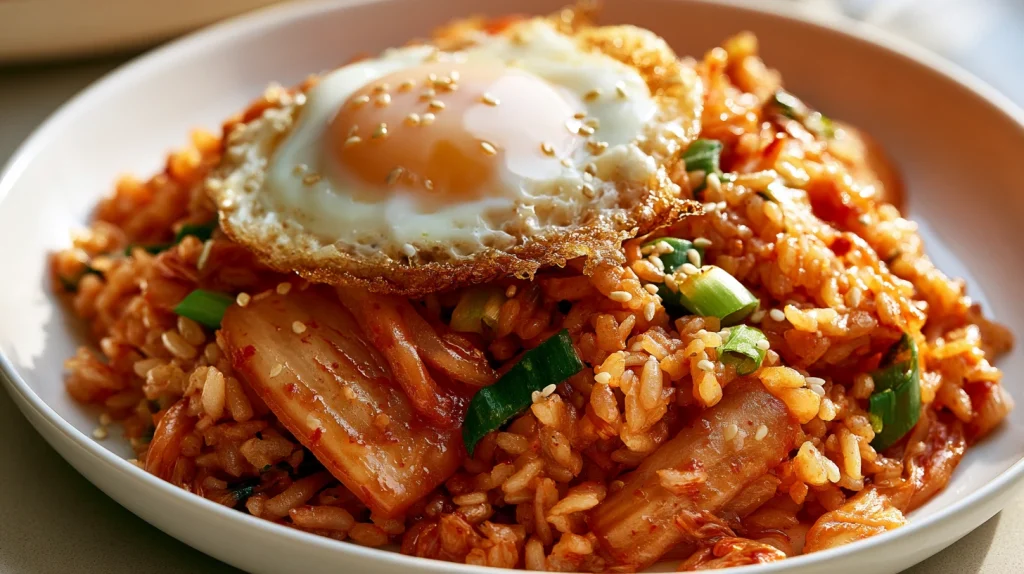
Kimchi fried rice is one of the most practical Korean dishes you can make at home. It takes cooked rice, well fermented kimchi, a few simple seasonings, and a hot skillet and turns them into a deeply savory meal with very little effort. The rice becomes lightly crisp around the edges while the kimchi adds tang, heat, acidity, and a fermented depth that makes every bite interesting.
The secret to excellent kimchi fried rice is not using a long list of ingredients. It is understanding how to manage moisture and heat. Kimchi contains plenty of liquid, and freshly cooked rice also contains moisture. If both are added to a cool pan at the same time, the result can become soft and heavy instead of having the distinct grains and lightly toasted texture you want from fried rice.
For the best result, use cold cooked rice that has been refrigerated for several hours or overnight. The grains firm up as they cool, making them much easier to stir fry without breaking apart. The kimchi should also be chopped into manageable pieces so that it distributes throughout the rice instead of forming large wet pockets. A good kimchi fried rice has several layers of flavor. The kimchi provides acidity and fermentation, gochujang adds depth and gentle sweetness, soy sauce brings savory seasoning, and sesame oil contributes a nutty aroma. Green onions add freshness, while a fried egg can provide a rich, creamy contrast to the spicy rice.
This dish is especially useful when you need an Easy Kimchi Rice Recipe that can be prepared with ingredients already sitting in your refrigerator. It works for lunch, dinner, a quick weekend meal, or a late night snack. You can keep it simple or add cooked meat, tofu, mushrooms, vegetables, or seafood. If you have leftover rice and kimchi, you are already most of the way toward a satisfying meal. This is one of the reasons kimchi fried rice is so popular. It is economical, flexible, and designed around ingredients that benefit from being used together.
The character of the kimchi matters as well. Fresh kimchi will produce a brighter, crunchier result, while older, more fermented kimchi gives the dish a stronger sour flavor and deeper complexity. For fried rice, many cooks prefer well fermented kimchi because the heat of the pan softens its texture while concentrating its flavor. The dish can be served directly from the skillet or arranged as a Kimchi Fried Rice In Bowl presentation. A bowl makes it easy to add toppings such as a fried egg, sliced green onions, toasted sesame seeds, roasted seaweed, cucumber, or additional kimchi.
If you are learning How To Make Kimchi Fried Rice for the first time, focus on cooking the ingredients in stages. Start with aromatics and kimchi, allow them to cook until fragrant, then add the rice and seasonings. This gives every component enough direct contact with the hot pan to develop flavor.
Kimchi fried rice is also an excellent introduction to Cooking With Kimchi because the ingredient can transform a very basic dish. You do not need to make a complicated sauce or use specialized equipment. A large skillet, wok, or nonstick pan is enough. For anyone looking for Quick Dinner Ideas With Kimchi, this recipe is particularly useful because it can be finished in about 20 minutes when the rice is already cooked. You can also adjust the amount of kimchi and gochujang according to your preferred spice level.
The finished dish should not be wet. Instead, the rice should be coated with the kimchi seasoning while remaining distinct and slightly chewy. A few browned pieces around the bottom of the pan are a welcome bonus because they add a roasted flavor and pleasant texture. There are countless Recipes With Kimchi In It, but kimchi fried rice remains one of the easiest places to start. It shows how fermentation, heat, and simple seasoning can turn leftovers into something that tastes intentional rather than improvised.
Why You’ll Love This Recipe
Preparation and Cooking Time, Also Serving
Ingredients
For the Topping
Substitution Notes
Step-by-Step Instructions

Step 1: Prepare the Rice and Kimchi
Break the cold cooked rice apart with your hands or a rice paddle before you begin cooking, separating any large clumps without crushing the grains, then finely chop the kimchi into small pieces and reserve 2 tablespoons of its juice for the seasoning mixture. If the rice is extremely hard from refrigeration, let it sit at room temperature for about 10 minutes so it becomes easier to separate, but do not use freshly steaming rice because its excess moisture can make the finished fried rice soft. Having the rice, kimchi, kimchi juice, seasonings, and aromatics ready before heating the pan will make the cooking process much easier because the stir frying moves quickly.
Step 2: Heat the Pan and Cook the Aromatics
Place a large skillet, wok, or wide nonstick pan over medium high heat and add the vegetable oil along with half of the sesame oil, then add the diced onion and the white portions of the green onions and cook for approximately 2 minutes until they begin to soften and develop a light golden edge. Add the minced garlic and cook for another 20 to 30 seconds, stirring constantly so the garlic becomes fragrant without burning. The pan should be hot enough that the vegetables sizzle when they hit the surface, because good heat is essential for developing the lightly toasted flavor that separates fried rice from simply reheated rice.
Step 3: Cook the Kimchi
Add the chopped kimchi to the hot pan and stir it continuously with the onions and garlic for approximately 2 to 3 minutes, allowing the kimchi to soften and release its juices while the edges begin to caramelize slightly. Add the reserved kimchi juice and continue cooking until most of the liquid has evaporated, then stir in the gochujang and cook for another 30 seconds so the paste coats the kimchi and becomes fragrant. This step is important because reducing some of the kimchi moisture before adding the rice helps keep the final dish flavorful without making it wet.
Step 4: Add and Fry the Rice
Add the cold rice to the pan and use a spatula to gently break apart any remaining clumps while tossing it with the kimchi mixture, then spread the rice across the bottom of the pan and allow it to cook undisturbed for about 30 to 60 seconds before stirring again. Continue tossing and pressing the rice against the hot surface for approximately 3 to 4 minutes, making sure the kimchi seasoning reaches as many grains as possible while allowing some of the rice to develop lightly browned edges. Avoid constantly stirring during this stage because brief contact with the hot pan helps create the toasted flavor and texture that makes good fried rice distinctive.
Step 5: Season and Finish the Rice
Pour the soy sauce around the edge of the hot pan so it makes direct contact with the heated surface before being mixed into the rice, then add the remaining sesame oil, black pepper, and sugar if your kimchi is particularly sour. Toss everything thoroughly for another 1 to 2 minutes until the rice is evenly colored and seasoned, then taste a small portion and adjust with a little more soy sauce, kimchi juice, gochujang, or sesame oil as needed. The finished rice should taste savory, spicy, tangy, and slightly nutty without being overly salty or wet.
Step 6: Fry the Eggs
Heat a separate nonstick skillet over medium heat and add a small amount of vegetable oil, then crack the eggs into the pan and cook them until the whites are fully set while the yolks remain soft and glossy, or cook them longer if you prefer firm yolks. Season the eggs lightly with a pinch of salt if desired and avoid overcooking them if you want the yolk to act as a rich sauce for the spicy rice. While the eggs cook, transfer the finished kimchi fried rice into serving bowls, dividing it evenly and shaping the rice loosely rather than pressing it down tightly.
Step 7: Assemble and Serve
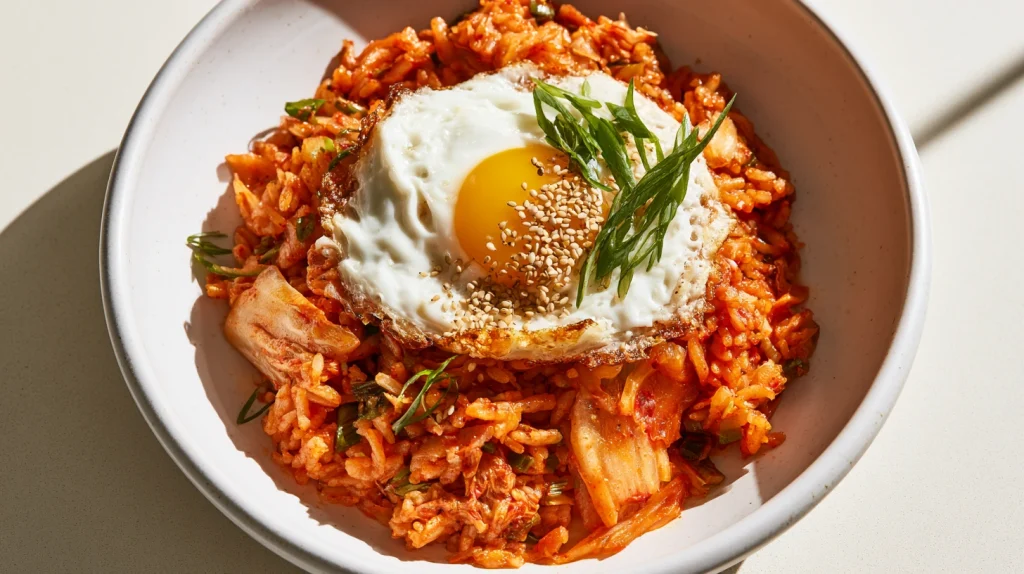
Place one fried egg on top of each serving of rice and finish with sliced green onions, toasted sesame seeds, thin strips of roasted seaweed, and a small amount of extra kimchi if desired, then serve immediately while the rice is hot and the egg yolk is still warm. If you enjoy a stronger spicy flavor, add a small drizzle of sesame oil or an extra spoonful of kimchi juice just before serving, but keep additional liquid modest so the rice retains its fried texture. Serve the dish as a complete meal or pair it with simple Korean side dishes such as cucumber salad, steamed vegetables, or additional kimchi.
How to Serve
Kimchi fried rice is flavorful enough to serve as a complete meal, especially when topped with a fried egg, but a few carefully chosen additions can make the dish more balanced and visually appealing. The goal is to add freshness, texture, and contrast without covering the spicy fermented flavor of the rice.
Additional Tips
Recipe Variations
Freezing and Storage
Nutritional Information
The following nutritional values are approximate and based on four servings of the basic kimchi fried rice recipe with one fried egg per serving. Exact values will vary depending on the type of rice, kimchi, gochujang, soy sauce, cooking oil, and toppings used.
The sodium level can vary significantly because kimchi, soy sauce, and gochujang all contain sodium. If you want to reduce the sodium, choose a lower sodium soy sauce, use slightly less kimchi juice, and avoid adding additional salt.
Adding chicken, beef, pork, shrimp, or tofu will change the nutritional values and increase the protein content. Likewise, adding cheese, bacon, or additional oil will increase the calories and fat.
For a lighter version, reduce the cooking oil and use a smaller amount of sesame oil as a finishing ingredient. You can also add more vegetables such as mushrooms, spinach, cabbage, carrots, or zucchini to increase the volume of the meal without relying entirely on rice.
Final Words
Kimchi fried rice is proof that a few everyday ingredients can create an incredibly satisfying meal when they are cooked with care. The combination of cold rice, fermented kimchi, aromatic vegetables, gochujang, soy sauce, and sesame oil produces a dish that is spicy, savory, tangy, and deeply comforting. The most important technique is controlling moisture. Start with cold rice, cook the kimchi long enough to reduce excess liquid, and give the rice enough time in the hot pan to develop lightly browned edges. These small steps make a major difference between ordinary rice mixed with kimchi and properly fried rice with layers of flavor.
If you have been searching for an Easy Kimchi Rice Recipe, this is a dependable starting point. It does not require complicated equipment or difficult techniques. Once the ingredients are prepared, the actual cooking happens quickly, so it is ideal when you need a flavorful meal without spending an hour in the kitchen. Learning How To Use Kimchi in recipes also opens the door to many other meals. Kimchi can be added to noodles, soups, stews, pancakes, sandwiches, dumplings, tacos, and even grilled cheese. Its acidity and fermentation make it especially useful when a dish needs more depth and brightness.
This recipe is also a practical introduction to Cooking With Kimchi because you can easily change the ingredients based on what you have available. Leftover chicken can become a protein addition, mushrooms can make the dish more substantial without meat, and a fried egg can transform a simple bowl into a complete meal. For busy evenings, it belongs among the best Quick Dinner Ideas With Kimchi because the recipe can be finished quickly when cooked rice is already available. Keeping a container of cooked rice and a jar of kimchi in the refrigerator means you can have the foundation of dinner ready whenever you need it.
The dish is equally useful for learning How To Use Kimchi In Recipes because you begin to understand how its flavor changes with heat. Fresh kimchi stays brighter and more textured, while cooking it concentrates its fermented flavor and softens the vegetables. Whether you keep the recipe simple or build it into a larger meal, focus on balance. The rice should remain distinct, the kimchi should be noticeable, the heat should be enjoyable, and the sesame oil should provide a finishing aroma rather than dominate the dish.
Serve it hot, top it with a fried egg, and add fresh green onions and sesame seeds just before eating. If you want additional texture, roasted seaweed and cucumber are excellent choices. Once you master this basic recipe, you will have a reliable foundation for countless Recipes With Kimchi In It. The technique is simple enough for a weeknight but flexible enough to become a regular part of your cooking routine.
FAQs

Best Kimchi Fried Rice – Easy Spicy Korean Rice Recipe
Course: Rice Recipes4
servings10
minutes15
minutes485
kcalIngredients
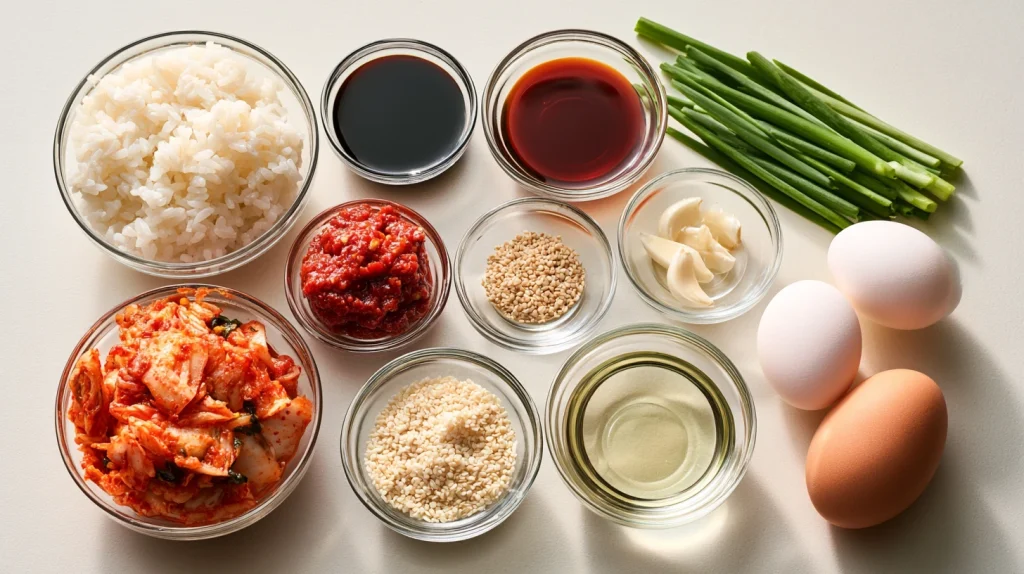
4 cups cold cooked white rice, preferably refrigerated overnight
1 1/2 cups well fermented kimchi, finely chopped
2 tablespoons kimchi juice
1 tablespoon vegetable oil
1 tablespoon sesame oil, divided
1/2 medium yellow onion, finely diced
3 green onions, thinly sliced, with the white and green portions separated
3 garlic cloves, finely minced
2 tablespoons gochujang
1 1/2 tablespoons soy sauce
1 teaspoon toasted sesame seeds
1/2 teaspoon freshly ground black pepper
1 teaspoon sugar, optional
- For the Topping
4 large eggs
1 teaspoon vegetable oil for frying the eggs
1 green onion, thinly sliced
1 teaspoon toasted sesame seeds
1 sheet roasted seaweed, cut into thin strips, optional
Extra kimchi for serving, optional
Directions
- Break the cold cooked rice apart with your hands or a rice paddle before you begin cooking, separating any large clumps without crushing the grains, then finely chop the kimchi into small pieces and reserve 2 tablespoons of its juice for the seasoning mixture. If the rice is extremely hard from refrigeration, let it sit at room temperature for about 10 minutes so it becomes easier to separate, but do not use freshly steaming rice because its excess moisture can make the finished fried rice soft. Having the rice, kimchi, kimchi juice, seasonings, and aromatics ready before heating the pan will make the cooking process much easier because the stir frying moves quickly.
- Place a large skillet, wok, or wide nonstick pan over medium high heat and add the vegetable oil along with half of the sesame oil, then add the diced onion and the white portions of the green onions and cook for approximately 2 minutes until they begin to soften and develop a light golden edge. Add the minced garlic and cook for another 20 to 30 seconds, stirring constantly so the garlic becomes fragrant without burning. The pan should be hot enough that the vegetables sizzle when they hit the surface, because good heat is essential for developing the lightly toasted flavor that separates fried rice from simply reheated rice.
- Add the chopped kimchi to the hot pan and stir it continuously with the onions and garlic for approximately 2 to 3 minutes, allowing the kimchi to soften and release its juices while the edges begin to caramelize slightly. Add the reserved kimchi juice and continue cooking until most of the liquid has evaporated, then stir in the gochujang and cook for another 30 seconds so the paste coats the kimchi and becomes fragrant. This step is important because reducing some of the kimchi moisture before adding the rice helps keep the final dish flavorful without making it wet.
- Add the cold rice to the pan and use a spatula to gently break apart any remaining clumps while tossing it with the kimchi mixture, then spread the rice across the bottom of the pan and allow it to cook undisturbed for about 30 to 60 seconds before stirring again. Continue tossing and pressing the rice against the hot surface for approximately 3 to 4 minutes, making sure the kimchi seasoning reaches as many grains as possible while allowing some of the rice to develop lightly browned edges. Avoid constantly stirring during this stage because brief contact with the hot pan helps create the toasted flavor and texture that makes good fried rice distinctive.
- Pour the soy sauce around the edge of the hot pan so it makes direct contact with the heated surface before being mixed into the rice, then add the remaining sesame oil, black pepper, and sugar if your kimchi is particularly sour. Toss everything thoroughly for another 1 to 2 minutes until the rice is evenly colored and seasoned, then taste a small portion and adjust with a little more soy sauce, kimchi juice, gochujang, or sesame oil as needed. The finished rice should taste savory, spicy, tangy, and slightly nutty without being overly salty or wet.
- Heat a separate nonstick skillet over medium heat and add a small amount of vegetable oil, then crack the eggs into the pan and cook them until the whites are fully set while the yolks remain soft and glossy, or cook them longer if you prefer firm yolks. Season the eggs lightly with a pinch of salt if desired and avoid overcooking them if you want the yolk to act as a rich sauce for the spicy rice. While the eggs cook, transfer the finished kimchi fried rice into serving bowls, dividing it evenly and shaping the rice loosely rather than pressing it down tightly.
- Place one fried egg on top of each serving of rice and finish with sliced green onions, toasted sesame seeds, thin strips of roasted seaweed, and a small amount of extra kimchi if desired, then serve immediately while the rice is hot and the egg yolk is still warm. If you enjoy a stronger spicy flavor, add a small drizzle of sesame oil or an extra spoonful of kimchi juice just before serving, but keep additional liquid modest so the rice retains its fried texture. Serve the dish as a complete meal or pair it with simple Korean side dishes such as cucumber salad, steamed vegetables, or additional kimchi.