

Pizza Dough Recipe – Make Perfect Homemade Pizza Every Time
Pizza Dough Recipe
A well-made pizza dough is the foundation of every great pizza, whether it’s a classic Margherita, a loaded pepperoni pizza special, or a large pizza with assorted toppings. What makes this pizza dough recipe special is its balance of lightness, chewiness, and crispiness when baked. Properly prepared dough develops a tender interior while crisping at the edges, giving you that authentic pizzeria-quality bite at home.
Home cooks love this recipe because it’s versatile and forgiving. With just a few simple ingredients, you can create traditional pizza dough, easy DIY pizza dough, or even experiment with instant pizza dough variations. From oven-baked pepperoni pizza to assorted topping pizza creations, this dough provides a reliable base for endless culinary possibilities. Beautifully risen and elastic, it’s a canvas for creativity, allowing you to layer sauces, cheeses, and toppings exactly how you like.
Why You’ll Love This Recipe
Preparation and Cooking Time, also serving
This preparation ensures the dough develops the right texture and elasticity for stretching, rolling, and topping.
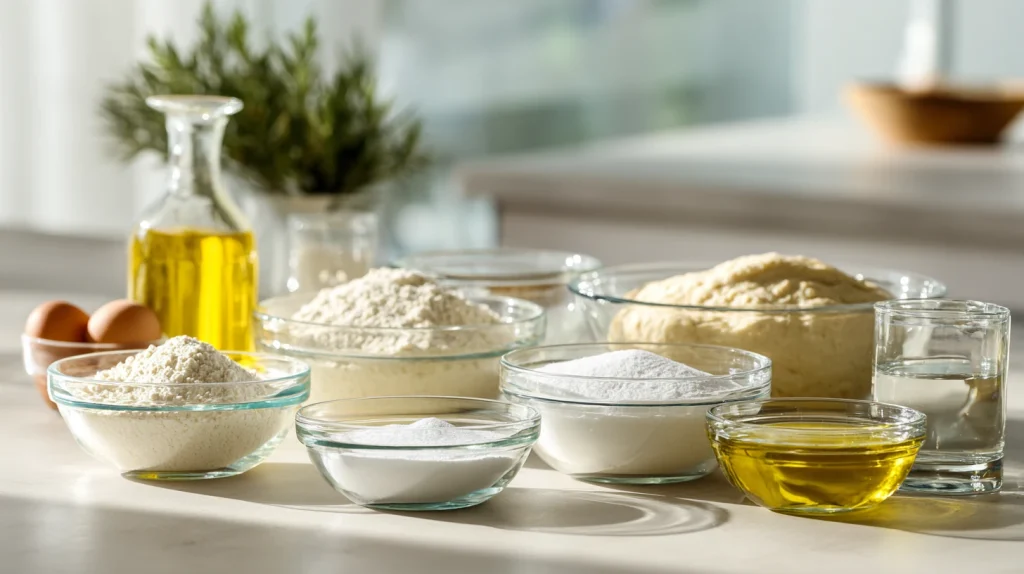
Ingredients
Substitution notes:
Step-by-Step Instructions

Step 1: Activating the yeast
In a small bowl, combine warm water and sugar. Sprinkle the active dry yeast on top and let it sit for 5–10 minutes until foamy. This ensures the yeast is active and ready to leaven the dough.
Step 2: Mixing the dough
In a large mixing bowl, combine the flour and salt. Add the activated yeast mixture and olive oil. Stir until the dough begins to form, then transfer to a lightly floured surface.
Step 3: Kneading the dough
Knead the dough for 8–10 minutes until it becomes smooth, elastic, and slightly tacky. Proper kneading develops gluten, which gives the dough its characteristic chewiness and structure.
Step 4: First rise
Place the dough in a lightly oiled bowl, cover with a damp cloth or plastic wrap, and let it rise in a warm area for 1–2 hours, or until it doubles in size. This slow fermentation enhances flavor and texture.
Step 5: Shaping the pizza
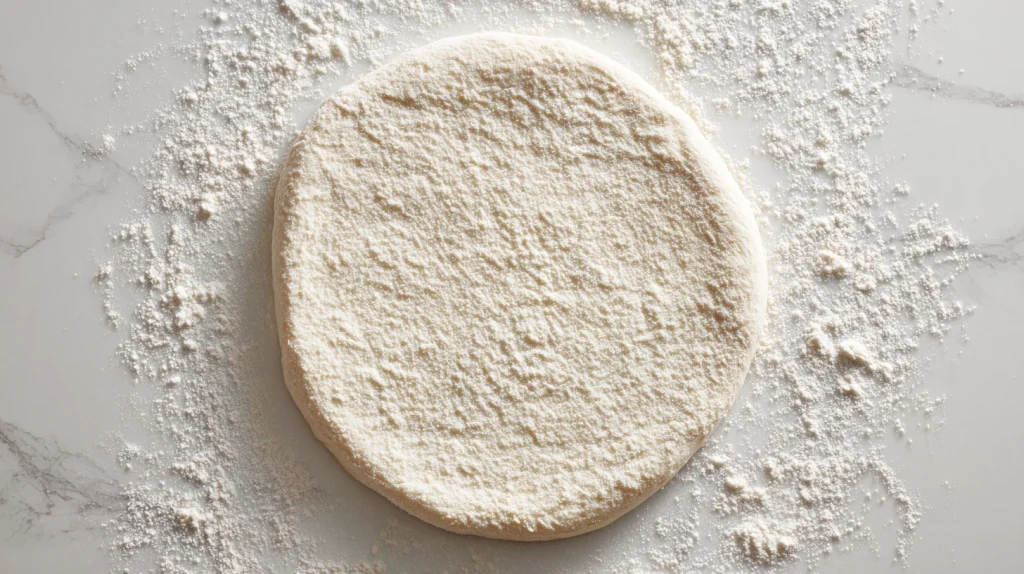
Punch down the risen dough to release air bubbles. Divide if making multiple pizzas. Roll or stretch the dough into your preferred shape and thickness. For thin crust, roll evenly; for thicker crust, leave a slightly higher edge.
Step 6: Pre-baking (optional)
For extra crispness, pre-bake the dough at 450°F (232°C) for 5 minutes before adding toppings. This step is optional but recommended for pizzas with heavy toppings.
Step 7: Adding toppings and baking
Top your dough with sauce, cheese, and assorted pizza toppings. Bake in a preheated oven at 475°F (245°C) for 12–15 minutes, or until the crust is golden and cheese is melted. Oven-baked pepperoni pizza or large pizza with assorted toppings benefit from this high-heat method for optimal results.
Step 8: Cooling and serving
Remove from oven and let the pizza rest for 2–3 minutes before slicing. This allows the cheese to set slightly, making it easier to cut and serve.
How to Serve
Serve fresh pizza straight from the oven on a wooden board or pizza stone for presentation. Pair with:
For visual appeal, sprinkle fresh herbs or a drizzle of olive oil over the finished pizza. Use pizza images pictures or assorted pizza toppings collage ideas to inspire presentation.
Additional Tips
Recipe Variations
Freezing and Storage
Nutritional Information (Approximate per serving)
Values may vary depending on toppings and cheese used.
Final Words
Mastering this pizza dough recipe gives home cooks the confidence to create restaurant-quality pizzas in their own kitchens. Each batch of dough yields a tender, chewy interior with a slightly crisp exterior, providing the perfect canvas for any toppings, from classic Margherita to a loaded pepperoni pizza special or a large pizza with assorted toppings. By understanding the fundamentals of kneading, rising, and shaping, you’ll consistently achieve dough that stretches beautifully without tearing, ensuring every pizza looks and tastes as if it came from a professional pizzeria.
Beyond texture and taste, this recipe opens the door to creativity and experimentation. You can explore oven-baked pepperoni pizza variations, create assorted topping pizza collages, or try your hand at DIY pizza dough enhancements such as herbed crusts or stuffed edges. Making pizza at home allows you to control ingredients, flavors, and portion sizes, turning a simple dinner into a fun culinary experience for family or friends. It’s also an opportunity to introduce fresh, high-quality ingredients, like ripe tomatoes, fragrant basil, or artisanal cheeses, elevating every bite to something memorable.
Finally, making pizza dough from scratch is more than just a recipe it’s a skill that fosters confidence, patience, and satisfaction in the kitchen. The process of mixing, kneading, and shaping engages you with the craft, creating a tangible connection to your food. Whether serving for a casual dinner, a weekend cooking project, or a special gathering, this dough forms the foundation for endless pizza creations, inspiring both novice and seasoned home cooks to explore flavors, textures, and presentation. By investing a little time and attention in your pizza dough, you can consistently produce pies that are not only delicious but visually stunning and deeply rewarding to share.
FAQ’s

Pizza Dough Recipe – Make Perfect Homemade Pizza Every Time
Course: Snacks2
servings15
minutes270
kcalIngredients
3 1/2 cups all-purpose flour (plus extra for dusting)
1 teaspoon sugar
1 packet (2 1/4 teaspoons) active dry yeast or instant yeast
2 teaspoons salt
1 1/4 cups warm water (105–110°F / 40–43°C)
2 tablespoons olive oil
Directions
- In a small bowl, combine warm water and sugar. Sprinkle the active dry yeast on top and let it sit for 5–10 minutes until foamy. This ensures the yeast is active and ready to leaven the dough.
- In a large mixing bowl, combine the flour and salt. Add the activated yeast mixture and olive oil. Stir until the dough begins to form, then transfer to a lightly floured surface.
- Knead the dough for 8–10 minutes until it becomes smooth, elastic, and slightly tacky. Proper kneading develops gluten, which gives the dough its characteristic chewiness and structure.
- Place the dough in a lightly oiled bowl, cover with a damp cloth or plastic wrap, and let it rise in a warm area for 1–2 hours, or until it doubles in size. This slow fermentation enhances flavor and texture.
- Punch down the risen dough to release air bubbles. Divide if making multiple pizzas. Roll or stretch the dough into your preferred shape and thickness. For thin crust, roll evenly; for thicker crust, leave a slightly higher edge.
- For extra crispness, pre-bake the dough at 450°F (232°C) for 5 minutes before adding toppings. This step is optional but recommended for pizzas with heavy toppings.
- Top your dough with sauce, cheese, and assorted pizza toppings. Bake in a preheated oven at 475°F (245°C) for 12–15 minutes, or until the crust is golden and cheese is melted. Oven-baked pepperoni pizza or large pizza with assorted toppings benefit from this high-heat method for optimal results.
- Remove from oven and let the pizza rest for 2–3 minutes before slicing. This allows the cheese to set slightly, making it easier to cut and serve.