

Dominos Pizza Recipe – Easy Homemade Cheese Pizza
Dominos Pizza
Dominos pizza is one of the most recognizable styles of American fast-food pizza, known for its soft yet structured crust, flavorful tomato sauce, generous cheese, and familiar combination of toppings. While ordering a pizza is convenient, making a homemade version gives you the opportunity to control the dough, sauce, cheese, toppings, and baking time. With the right technique, you can create a pizza with a crisp bottom, tender center, bubbling cheese, and the satisfying texture people expect from a classic delivery-style pie.
The key to making a successful homemade version is not simply adding more cheese or baking at the highest possible temperature. The dough needs enough time to develop flavor, the sauce needs to be concentrated enough that it does not make the crust soggy, and the cheese should melt evenly without becoming excessively greasy. Small details such as stretching the dough correctly and preheating the oven thoroughly make a noticeable difference.
This recipe focuses on a classic cheese pizza because it provides the clearest way to reproduce the familiar balance of crust, sauce, and cheese. It also gives you a flexible base for adding pepperoni, mushrooms, onions, peppers, chicken, or other toppings. A good homemade pizza starts with the dough. The dough should be soft and elastic, but not so sticky that it is difficult to handle. After kneading, resting allows the gluten to relax and makes the dough easier to stretch without tearing. A longer fermentation can also improve the flavor, but a same-day method works well when you need dinner quickly.
The sauce should complement the dough rather than overpower it. A simple tomato sauce made with crushed tomatoes, tomato paste, garlic, herbs, and seasoning provides enough acidity and savory flavor to balance the richness of the cheese. Keeping the sauce moderately thick is important because excess moisture can prevent the crust from becoming crisp. Mozzarella is the main cheese in this recipe because it melts smoothly and develops the familiar stretchy texture associated with pizza. A small amount of Parmesan can add extra savory depth, while a little cheddar can be used for a stronger cheese flavor if desired.
The finished pizza is also perfect for anyone who enjoys Cheese Pizza Pinterest inspiration. A freshly baked cheese pizza with melted mozzarella, browned edges, and a golden crust naturally creates the kind of visual appeal often seen in Pinterest food collections. If you are looking for Cheese Pizza Wallpaper or Pinterest Aesthetic Pizza Pictures, the most attractive results usually come from natural textures rather than excessive styling. A whole pizza with bubbling cheese, a few fresh herbs, and a clean background can look more appetizing than an overloaded composition.
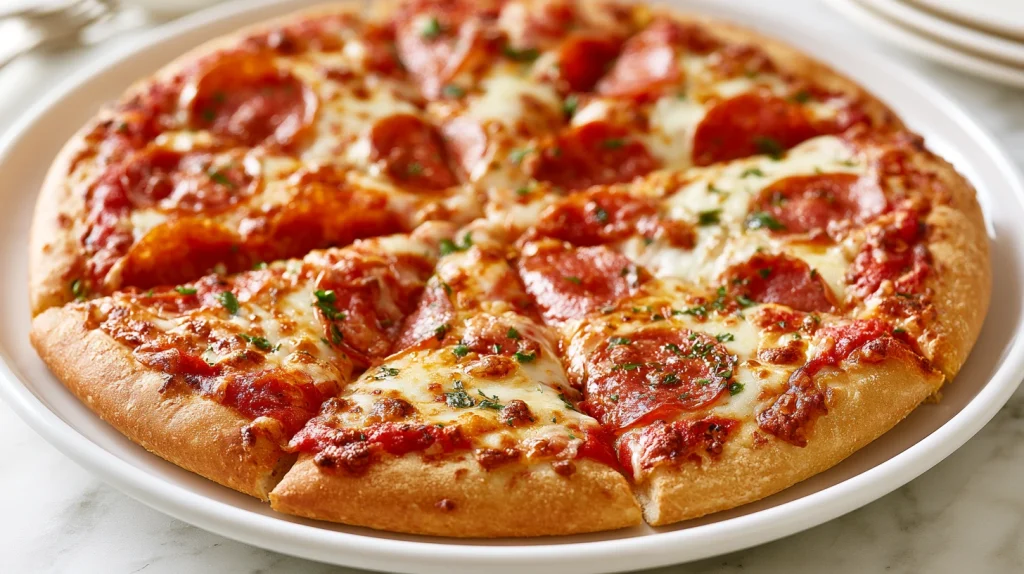
For Cheese Pizza Slices On Table photography, allow the pizza to rest for a few minutes before cutting. This gives the cheese time to settle slightly, making the slices easier to lift while keeping the toppings intact. A clean ceramic plate or modern serving board can provide a simple backdrop. This recipe also works well for creating Pics Of Cheese Pizza because the cheese, crust, and sauce provide strong visual contrast. When the pizza comes out of the oven, the cheese should have small golden spots rather than a completely pale surface. Those browned areas add both flavor and visual appeal.
Whether you are making pizza for a family dinner, weekend gathering, or casual movie night, homemade pizza gives you much more control than a delivery order. You can make the crust thinner or thicker, adjust the amount of sauce, choose the cheese blend, and bake the pizza until it reaches your preferred level of crispness. The result is a homemade pizza with the familiar character of Dominos pizza while giving you the flexibility and freshness of cooking in your own kitchen.
Why You’ll Love This Recipe
Preparation and Cooking Time, Also Serving
If you have extra time, the dough can be refrigerated overnight after the initial kneading. A slow refrigerator rest can improve the dough’s flavor and make the crust easier to work with the following day.
For a larger gathering, prepare several dough portions instead of making one very large pizza. Smaller pizzas are easier to stretch evenly and usually bake more consistently.
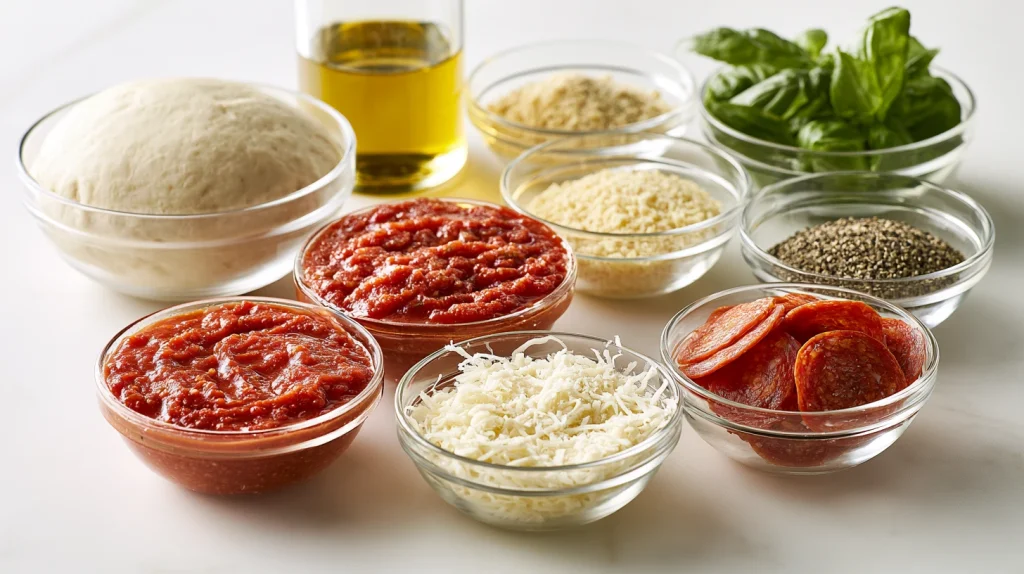
Ingredients
For the Pizza Dough
For the Pizza Sauce
For the Cheese Topping
For the Work Surface
Substitution Notes
Step-by-Step Instructions
Step 1: Prepare the Pizza Dough
Combine the warm water, sugar, and instant yeast in a large mixing bowl, then add the flour, salt, and olive oil and stir until a rough dough forms. Transfer the dough to a lightly floured surface and knead for approximately 6 to 8 minutes until it becomes smooth, elastic, and slightly tacky but no longer sticks heavily to your hands, adding only a small amount of flour if necessary because too much flour can make the finished crust dense.
Step 2: Let the Dough Rise
Place the kneaded dough in a lightly oiled bowl, turn it once so the surface is lightly coated, then cover the bowl and let it rest in a warm, draft-free place for approximately 60 minutes or until noticeably expanded. The dough does not need to exactly double in size, but it should feel lighter and more relaxed when pressed gently with a fingertip.
Step 3: Prepare the Pizza Sauce
While the dough rises, combine the crushed tomatoes, tomato paste, olive oil, minced garlic, oregano, basil, onion powder, sugar, salt, and black pepper in a small saucepan and warm the mixture over low to medium heat for approximately 8 to 10 minutes, stirring occasionally until the sauce becomes slightly thicker and the raw tomato flavor softens, then remove it from the heat and allow it to cool before spreading it over the dough.
Step 4: Shape the Pizza Dough
Preheat the oven to 475°F and place a pizza stone, baking steel, or heavy baking tray inside while it heats, then turn the risen dough onto a lightly floured surface and gently press the air toward the edges while stretching it into an approximately 12-inch round. Avoid using a rolling pin if you want a lighter edge because pressing and stretching the dough by hand allows some of the fermentation air to remain near the crust.
Step 5: Add the Sauce and Cheese
Transfer the shaped dough to parchment paper or a lightly prepared pizza peel, spread approximately 1/2 to 3/4 cup of the cooled tomato sauce over the surface while leaving about 1/2 inch around the edge, then distribute the shredded mozzarella evenly and finish with Parmesan, oregano, and a light drizzle of olive oil. Keep the topping layer balanced rather than excessively thick because too much sauce or cheese can slow cooking and make the center soft.
Step 6: Bake the Pizza
Carefully transfer the assembled pizza onto the preheated stone, steel, or baking tray and bake for approximately 12 to 16 minutes until the crust is golden around the edges, the underside is cooked through, and the cheese is fully melted with small browned spots across the surface. Rotate the pizza once during baking if your oven has uneven heat, but avoid opening the oven repeatedly because maintaining a high temperature helps the crust cook properly.
Step 7: Rest, Slice, and Serve
Remove the pizza from the oven and let it rest for approximately 3 to 5 minutes before slicing so the melted cheese can settle and the crust can finish setting. Sprinkle with fresh basil if desired, then cut the pizza into 6 to 8 slices using a sharp pizza cutter and serve while the crust remains warm and the cheese is still soft.
How to Serve
Additional Tips
Recipe Variations
Freezing and Storage
Nutritional Information
The following values are approximate for one serving of a four-serving cheese pizza prepared according to the recipe above. Actual values will vary depending on the exact flour, cheese, sauce, and serving size used.
The largest differences in nutritional values will usually come from the amount and type of cheese, the size of each slice, and the amount of oil used in the dough and finishing.
For a lighter version, reduce the cheese slightly, use less oil, and add vegetables such as mushrooms, peppers, onions, or spinach. You can also make smaller pizzas and serve them with a fresh salad for better portion control.
Final Words
Making Dominos pizza at home is less about copying every tiny detail and more about understanding the techniques that create a satisfying delivery-style pizza. A well-fermented dough, concentrated tomato sauce, balanced cheese layer, and properly heated oven are the foundation of the entire recipe. The dough deserves particular attention. If it is too dry, the crust can become tough. If it is too wet, shaping becomes difficult and the center may remain soft. A dough that feels smooth, elastic, and slightly tacky is a good starting point.
The oven temperature is equally important. Pizza needs strong heat to develop a browned crust while melting the cheese quickly. A preheated pizza stone, steel, or heavy baking tray can make a significant difference because it transfers heat directly to the dough. The sauce should be flavorful but restrained. Too much sauce can overwhelm the cheese and create a wet center. A thin, even layer provides enough tomato flavor while allowing the crust to bake properly.
Cheese is another area where balance matters. Mozzarella gives the pizza its familiar stretch and mild flavor, while Parmesan adds savory depth. You can experiment with other cheeses, but keeping mozzarella as the main cheese usually produces the most reliable texture.
If you are creating Cheese Pizza Pinterest content, focus on the natural appeal of the finished pizza. Golden crust edges, melted mozzarella, browned cheese spots, and a few fresh basil leaves are enough to create an attractive image. For Cheese Pizza Wallpaper, overhead photography works particularly well because the round pizza creates a strong visual shape. Keep the background clean and allow the pizza to fill most of the frame.
For Cheesy Pizza On Table or Cheese Pizza Slices On Table images, showing a few separated slices can highlight the cheese pull and crust texture. The table does not need to be heavily decorated. A simple surface keeps attention on the food. Pinterest Aesthetic Pizza Pictures often work best when the styling feels natural. Bright daylight, a clean plate, a few ingredients, and a freshly baked pizza can create the visual style without making the photograph look artificial.
The recipe is also flexible enough to become many different pizzas. Add pepperoni, vegetables, chicken, mushrooms, olives, chili flakes, or extra cheese according to your preference. Once the dough and baking technique are reliable, the topping combinations are almost unlimited. Most importantly, do not be discouraged if your first homemade pizza is not perfectly round. Shape improves with practice, and an irregular edge does not affect the flavor. Concentrate on cooking the crust evenly and maintaining a good balance between sauce, cheese, and toppings.
A homemade pizza can be just as enjoyable as a delivery pizza while giving you more control over ingredients and cooking time. You can make it exactly as cheesy as you like, choose your preferred crust thickness, and serve it fresh from the oven. Once you understand the process, pizza night becomes much easier. Prepare the dough ahead, make the sauce in advance, and keep your favorite toppings ready. Then you can assemble and bake a fresh pizza whenever the craving hits. Whether you are making a simple cheese pizza for dinner, preparing food for friends, or creating beautiful Pics Of Cheese Pizza for your food collection, this recipe gives you a dependable foundation.
FAQs

Dominos Pizza Recipe – Easy Homemade Cheese Pizza
Course: Appetizers4
servings25
minutes15
minutes560
kcalIngredients
- For the Pizza Dough
2 1/4 cups all-purpose flour
1 teaspoon instant yeast
1 teaspoon granulated sugar
1 teaspoon salt
3/4 cup warm water
1 tablespoon olive oil
- For the Pizza Sauce
3/4 cup crushed tomatoes
1 tablespoon tomato paste
1 tablespoon olive oil
1 small garlic clove, finely minced
1/2 teaspoon dried oregano
1/2 teaspoon dried basil
1/4 teaspoon onion powder
1/4 teaspoon sugar
1/4 teaspoon salt
1/8 teaspoon black pepper
- For the Cheese Topping
1 1/2 cups low-moisture mozzarella cheese, shredded
2 tablespoons finely grated Parmesan cheese
1 tablespoon olive oil
1/2 teaspoon dried oregano
1 tablespoon chopped fresh basil, optional
- For the Work Surface
1 to 2 tablespoons all-purpose flour
1 tablespoon cornmeal, optional
Directions
- Combine the warm water, sugar, and instant yeast in a large mixing bowl, then add the flour, salt, and olive oil and stir until a rough dough forms. Transfer the dough to a lightly floured surface and knead for approximately 6 to 8 minutes until it becomes smooth, elastic, and slightly tacky but no longer sticks heavily to your hands, adding only a small amount of flour if necessary because too much flour can make the finished crust dense.
- Place the kneaded dough in a lightly oiled bowl, turn it once so the surface is lightly coated, then cover the bowl and let it rest in a warm, draft-free place for approximately 60 minutes or until noticeably expanded. The dough does not need to exactly double in size, but it should feel lighter and more relaxed when pressed gently with a fingertip.
- While the dough rises, combine the crushed tomatoes, tomato paste, olive oil, minced garlic, oregano, basil, onion powder, sugar, salt, and black pepper in a small saucepan and warm the mixture over low to medium heat for approximately 8 to 10 minutes, stirring occasionally until the sauce becomes slightly thicker and the raw tomato flavor softens, then remove it from the heat and allow it to cool before spreading it over the dough.
- Preheat the oven to 475°F and place a pizza stone, baking steel, or heavy baking tray inside while it heats, then turn the risen dough onto a lightly floured surface and gently press the air toward the edges while stretching it into an approximately 12-inch round. Avoid using a rolling pin if you want a lighter edge because pressing and stretching the dough by hand allows some of the fermentation air to remain near the crust.
- Transfer the shaped dough to parchment paper or a lightly prepared pizza peel, spread approximately 1/2 to 3/4 cup of the cooled tomato sauce over the surface while leaving about 1/2 inch around the edge, then distribute the shredded mozzarella evenly and finish with Parmesan, oregano, and a light drizzle of olive oil. Keep the topping layer balanced rather than excessively thick because too much sauce or cheese can slow cooking and make the center soft.
- Carefully transfer the assembled pizza onto the preheated stone, steel, or baking tray and bake for approximately 12 to 16 minutes until the crust is golden around the edges, the underside is cooked through, and the cheese is fully melted with small browned spots across the surface. Rotate the pizza once during baking if your oven has uneven heat, but avoid opening the oven repeatedly because maintaining a high temperature helps the crust cook properly.
- Remove the pizza from the oven and let it rest for approximately 3 to 5 minutes before slicing so the melted cheese can settle and the crust can finish setting. Sprinkle with fresh basil if desired, then cut the pizza into 6 to 8 slices using a sharp pizza cutter and serve while the crust remains warm and the cheese is still soft.