
French Macarons: A Complete Guide to Perfect French Cookies
Introduction to French Macarons
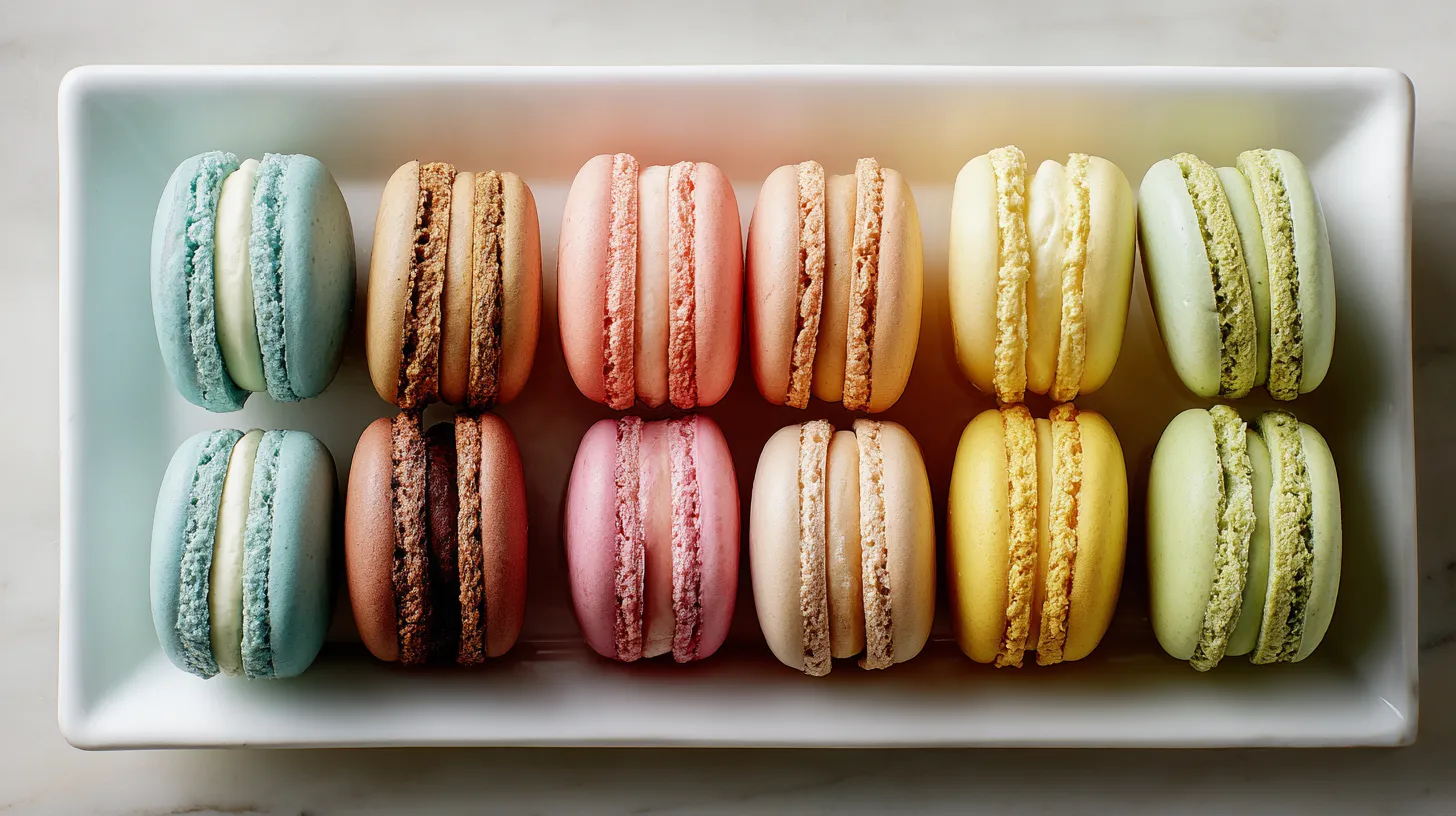
French macarons are delicate, colorful, and elegant cookies that have captured the hearts of bakers and dessert lovers worldwide. Known for their smooth, crisp shells, chewy interior, and luscious fillings, these iconic French cookies are the ultimate indulgence for anyone who appreciates refined desserts. Unlike simple cookies, French macarons require precision, patience, and technique, but the reward is a treat that is as visually stunning as it is delicious.
These small sandwich cookies are crafted from almond flour, egg whites, and sugar, giving them a unique texture and flavor that sets them apart from traditional macaroons. The variety of fillings from chocolate ganache to fruit curds or buttercream makes them versatile and exciting, perfect for festive occasions, brunch, or afternoon tea. French macarons are often associated with sophistication and elegance, but with the right guidance, home bakers can create these delicate cookies successfully.
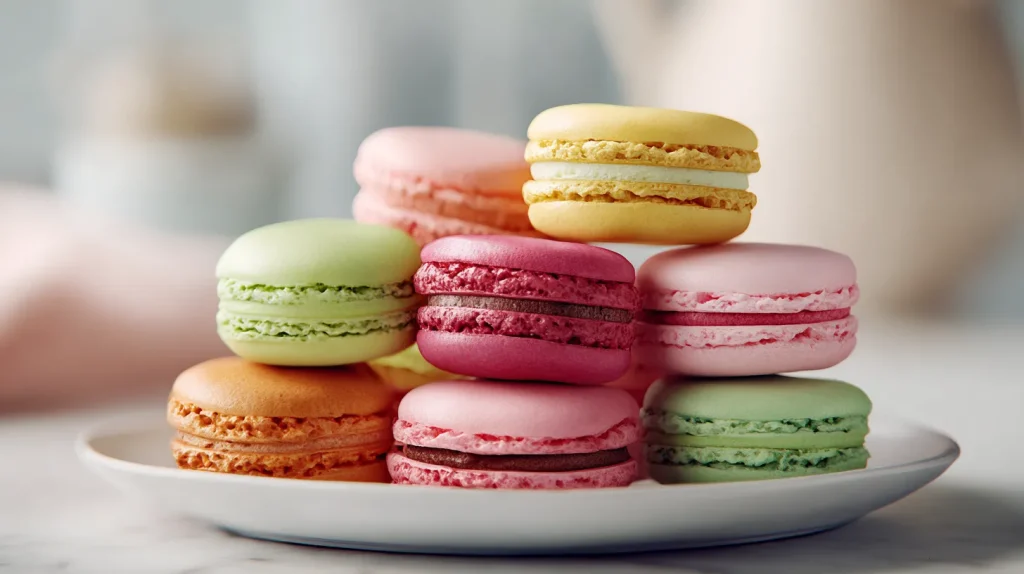
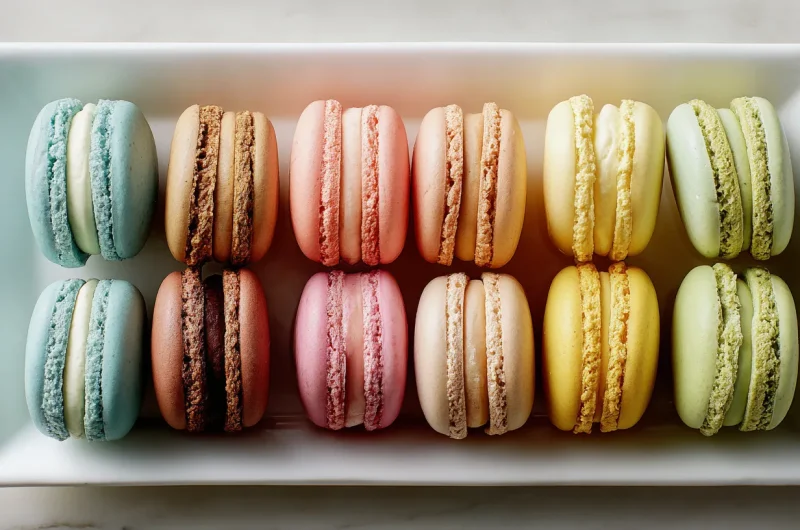
French macarons are not only beautiful but also a canvas for creativity. With countless flavor combinations, from classic vanilla and chocolate to seasonal specialties like Christmas macarons, they allow bakers to experiment and impress. Their bright, jewel-like colors and smooth tops make them ideal for gifts, parties, and decorative dessert tables. Learning how to master French macarons opens a world of possibilities in baking and design.
What makes French macarons truly special is their delicate balance of textures: crisp exteriors that yield to a soft, chewy interior, paired with rich, flavorful fillings. Each bite is a small piece of artistry, demonstrating the harmony of science, technique, and flavor. Once you understand the process, French macarons become a versatile and rewarding recipe to add to your baking repertoire.
Why You’ll Love This Recipe
French macarons may seem intimidating, but following a structured, foolproof approach makes them accessible for home bakers. One reason you’ll love this recipe is the reliability it provides. With proper technique, guidance, and tips for beginners, this macaron recipe for beginners ensures you can achieve consistent results without frustration.
Another reason is the creativity they allow. French macarons are highly customizable in flavor, color, and filling. From classic French macaroons recipe easy versions to more elaborate ideas like Christmas macarons or DIY macaron recipe inspiration, there’s a style and taste for every occasion. They’re perfect for gifts, party favors, or simply enjoying a gourmet treat at home.
Lastly, mastering French macarons improves overall baking skills. From macaronage technique to perfect meringue preparation, following a foolproof macaron recipe teaches precision, patience, and attention to detail. These skills are transferable to other baking projects, making French macarons a rewarding challenge for beginners and experienced bakers alike.
Preparation and Cooking Time, also Serving
Ingredients
For the Macaron Shells
For the Filling (Ganache or Buttercream)
Substitutions
Step-by-Step Instructions
Step 1: Prepare Dry Ingredients
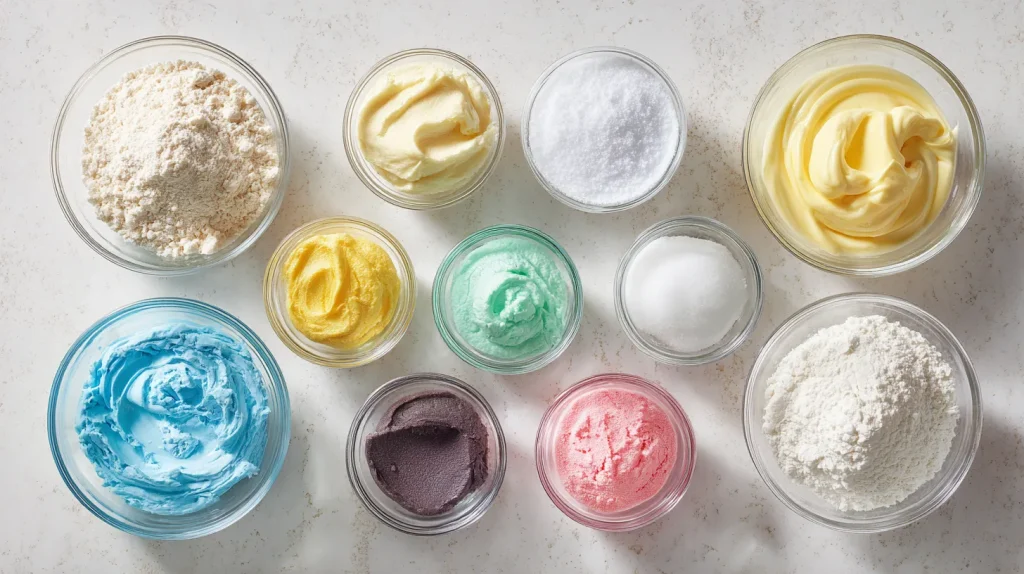
Sift the almond flour and powdered sugar together into a bowl. This step ensures a smooth, lump-free mixture for perfectly smooth macaron shells. Set aside while preparing the meringue.
Step 2: Make the Meringue
In a clean, dry mixing bowl, whip egg whites with a pinch of cream of tartar until soft peaks form. Gradually add granulated sugar, whipping until stiff, glossy peaks develop. Add food coloring if desired at this stage. The meringue forms the base of your macaron shells, providing structure and volume.
Step 3: Fold Dry Ingredients into Meringue (Macaronage)
Gently fold the almond flour and powdered sugar mixture into the meringue in batches. Use a spatula and fold carefully to maintain air while achieving the right consistency. The batter should flow like lava, thick enough to hold shape but loose enough to settle smoothly on the baking sheet.
Step 4: Pipe the Macarons
Transfer batter to a piping bag fitted with a round tip. Pipe uniform circles (about 1.5 inches) onto parchment-lined baking sheets. Tap the baking sheet gently against the counter to release air bubbles. Allow the macarons to rest for 30–60 minutes until a slight skin forms on top; this prevents cracking and helps create smooth shells.
Step 5: Bake the Macarons
Preheat oven to 300°F (150°C). Bake macarons for 15–18 minutes. Check for doneness by gently lifting a shell; it should have set edges and a firm base. Let cool completely on the baking sheet before removing to prevent sticking.
Step 6: Prepare the Filling
For ganache, heat heavy cream until just boiling and pour over chocolate. Stir until smooth. For buttercream, whip butter and powdered sugar together with flavoring. Fill a piping bag and pipe onto the flat side of half the macaron shells. Sandwich with remaining shells.
Step 7: Maturation
Store assembled macarons in an airtight container in the refrigerator for 24 hours before serving. This allows flavors to meld and achieves the perfect chewy texture. Bring to room temperature before enjoying.
Step 8: Add Finishing Touches
Once your macarons have matured, garnish them as desired with a light dusting of powdered sugar, cocoa, or edible glitter. Arrange neatly on a serving platter or in gift boxes for a polished, professional presentation.
How to Serve
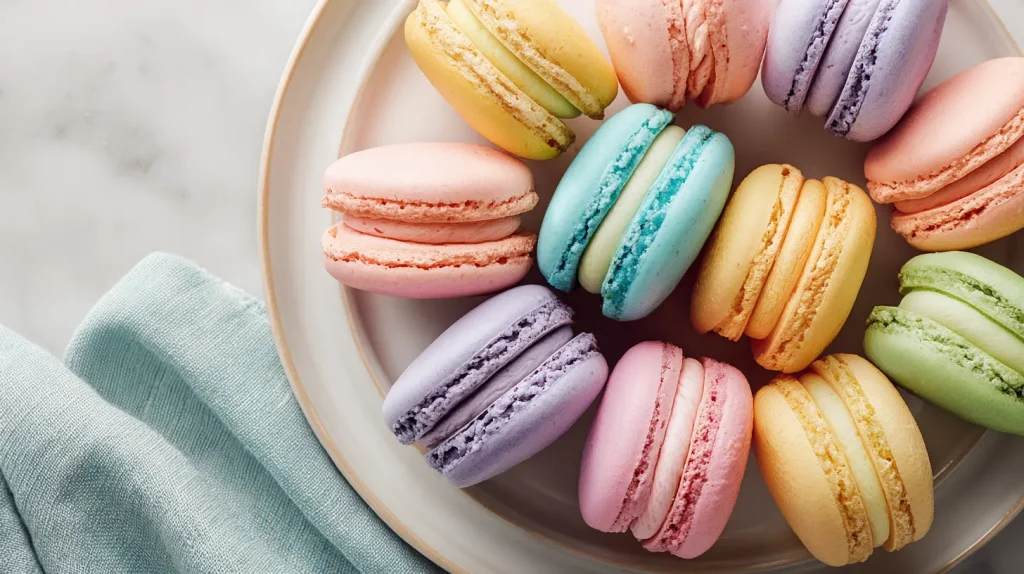
French macarons are as much about presentation as they are about flavor, and serving them beautifully elevates the experience. Arrange them on a tiered cake stand or a decorative platter to showcase their vibrant colors and uniform shapes. Their petite size makes them perfect for serving at parties, brunches, or afternoon tea, allowing guests to enjoy multiple flavors in one sitting. You can also use small boxes or clear containers to present them as gifts, making them a visually stunning and thoughtful treat.
Pairing French macarons with beverages enhances their delicate flavors. Serve them alongside a cup of coffee, espresso, or tea, which balances the sweetness of the cookies and complements the richness of the filling. For special occasions, they can also be enjoyed with sparkling wine or a light dessert cocktail. Adding a few fresh berries, edible flowers, or a dusting of powdered sugar around the serving platter creates an elegant and festive display, perfect for holiday macarons or themed dessert tables.
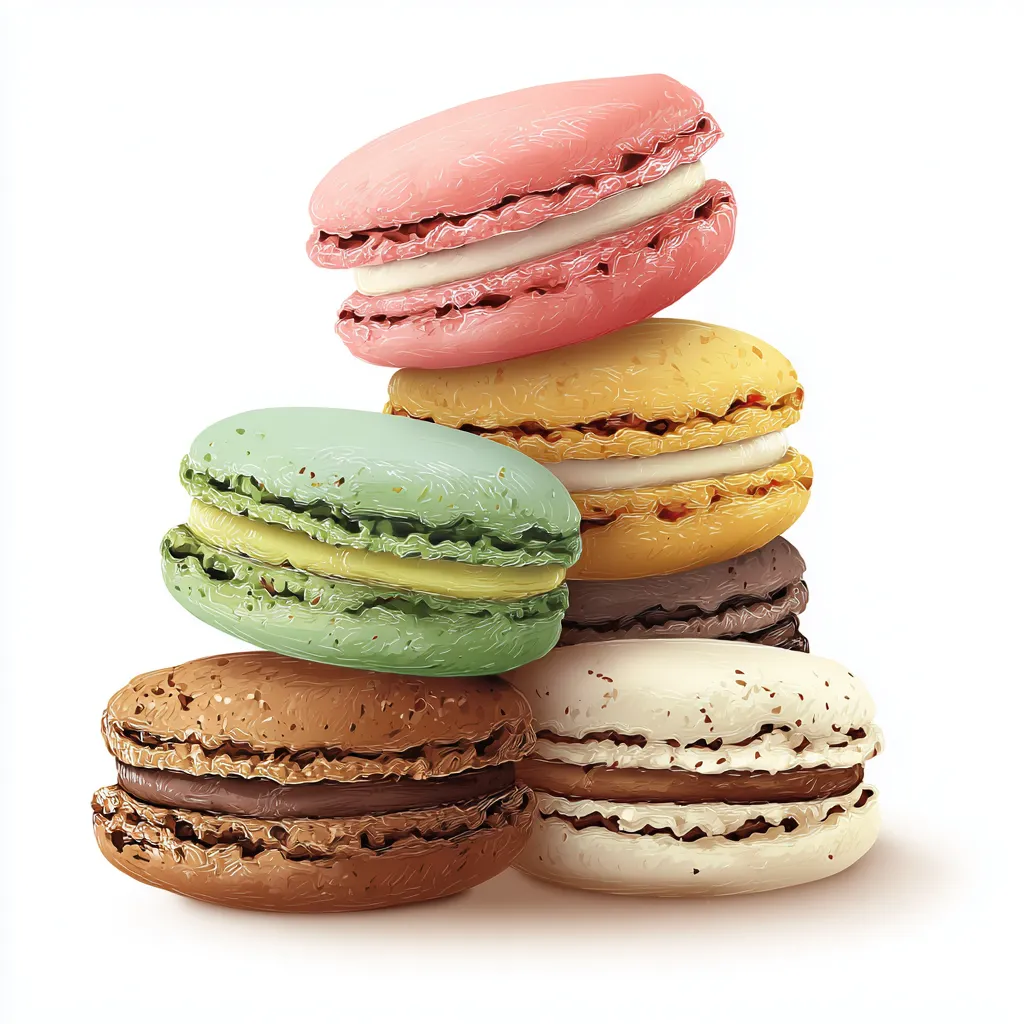
French macarons are versatile and can be combined with other desserts to create a full dessert experience. For a brunch or festive dessert spread, arrange them alongside Christmas sugar cookies, mini tarts, or petit fours for variety and visual appeal. You can also color-coordinate macarons with the season or event theme soft pastels for weddings, rich reds and greens for Christmas, or vibrant shades for birthdays. Serving them thoughtfully ensures that these delicate French cookies are not only delicious but also a centerpiece that draws admiration and delight.
Additional Tips
Recipe Variations
Freezing and Storage
Nutritional Information (per macaron, 1 sandwich cookie)
Values are approximate and vary depending on filling and size.
Final Words
French macarons are more than just cookies; they are a true celebration of precision, creativity, and flavor. Their delicate shells, chewy interiors, and rich fillings make them stand out among desserts, offering both visual appeal and exquisite taste. When you make these at home, you’re not just baking, you’re creating an elegant treat that can transform a simple coffee break into a luxurious experience. Each macaron showcases the artistry of French baking and rewards your effort with a satisfying, melt-in-your-mouth texture.
One of the most rewarding aspects of making French macarons is the opportunity for creativity. From classic flavors like chocolate, vanilla, and raspberry to inventive seasonal variations such as Christmas macarons or DIY macaron recipe inspiration, the possibilities are endless. You can customize both the shells and the fillings to suit your taste, color scheme, or special occasion, making these French cookies ideal for parties, gifts, or festive dessert tables.
Mastering macarons also improves your overall baking skills. Following a foolproof French macarons recipe teaches patience, precision, and technique from whipping a perfect meringue to achieving the ideal macaronage consistency. These skills carry over into other desserts, helping you become a more confident and versatile home baker. The process may seem intricate, but with careful attention to detail, it becomes a manageable, rewarding challenge.
Ultimately, French macarons are a dessert that embodies elegance, creativity, and indulgence in every bite. Once you master the fundamentals, they become a reliable, impressive treat for any occasion, whether it’s a casual afternoon tea, a romantic brunch, or a festive holiday dessert spread. By investing time and care, you can consistently create beautiful, delicious macarons that delight family, friends, and guests while elevating your baking repertoire to new heights.
FAQ’s
rench Macarons: A Complete Guide to Perfect French Cookies
24
servings45
minutes15
minutes120
kcalIngredients
- For the Macaron Shells
1 cup almond flour, finely ground
1 3/4 cups powdered sugar
3 large egg whites, room temperature
1/4 cup granulated sugar
Pinch of cream of tartar
Food coloring (optional)
- For the Filling (Ganache or Buttercream)
1/2 cup heavy cream
4 oz chocolate (white, milk, or dark)
1/4 cup unsalted butter, softened (for buttercream option)
1/2 cup powdered sugar (for buttercream)
Flavorings: vanilla, raspberry, coffee, or almond extract
Directions
- Sift the almond flour and powdered sugar together into a bowl. This step ensures a smooth, lump-free mixture for perfectly smooth macaron shells. Set aside while preparing the meringue.
- In a clean, dry mixing bowl, whip egg whites with a pinch of cream of tartar until soft peaks form. Gradually add granulated sugar, whipping until stiff, glossy peaks develop. Add food coloring if desired at this stage. The meringue forms the base of your macaron shells, providing structure and volume.
- Gently fold the almond flour and powdered sugar mixture into the meringue in batches. Use a spatula and fold carefully to maintain air while achieving the right consistency. The batter should flow like lava, thick enough to hold shape but loose enough to settle smoothly on the baking sheet.
- Transfer batter to a piping bag fitted with a round tip. Pipe uniform circles (about 1.5 inches) onto parchment-lined baking sheets. Tap the baking sheet gently against the counter to release air bubbles. Allow the macarons to rest for 30–60 minutes until a slight skin forms on top; this prevents cracking and helps create smooth shells.
- Preheat oven to 300°F (150°C). Bake macarons for 15–18 minutes. Check for doneness by gently lifting a shell; it should have set edges and a firm base. Let cool completely on the baking sheet before removing to prevent sticking.
- For ganache, heat heavy cream until just boiling and pour over chocolate. Stir until smooth. For buttercream, whip butter and powdered sugar together with flavoring. Fill a piping bag and pipe onto the flat side of half the macaron shells. Sandwich with remaining shells.
- Store assembled macarons in an airtight container in the refrigerator for 24 hours before serving. This allows flavors to meld and achieves the perfect chewy texture. Bring to room temperature before enjoying.
- Once your macarons have matured, garnish them as desired with a light dusting of powdered sugar, cocoa, or edible glitter. Arrange neatly on a serving platter or in gift boxes for a polished, professional presentation.
Notes
- Use finely ground almond flour and sifted powdered sugar for smooth shells.
- Room temperature egg whites whip better and create stable meringue.
- Be gentle during folding to preserve air but achieve proper macaronage consistency.
- Allow shells to rest before baking to form a skin; this reduces cracking.
- Store in airtight containers and mature for 24 hours for best texture and flavor.