

Galbi Recipe Korean Beef – Tender Korean Short Ribs Dinner
Galbi Recipe Korean Beef
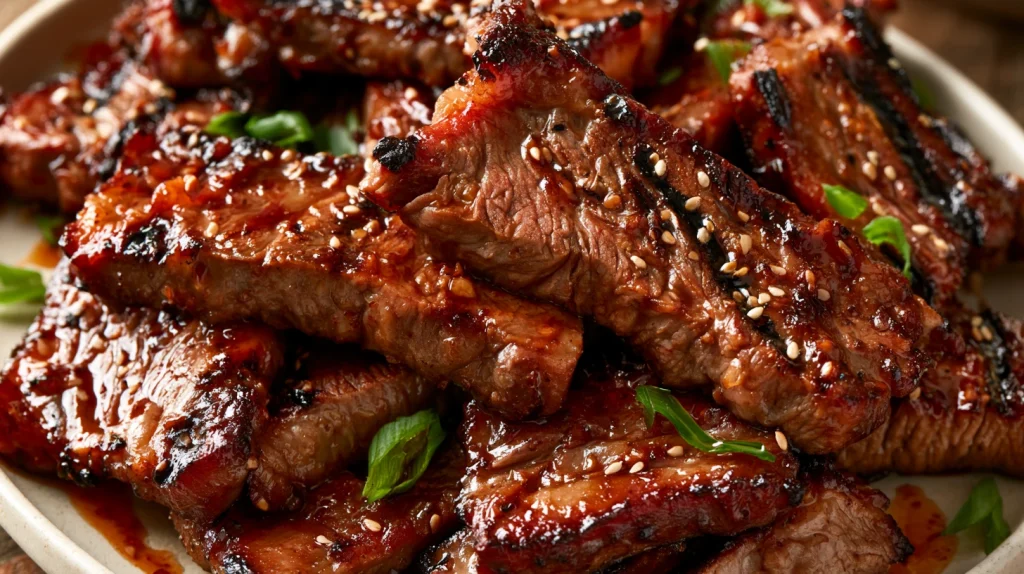
Galbi recipe Korean beef is one of the most recognizable Korean beef dishes, known for tender beef, a deeply savory marinade, gentle sweetness, and a rich grilled or braised flavor. The word galbi generally refers to Korean-style beef short ribs, and the dish can be prepared in several ways depending on the cut and cooking method. This recipe focuses on tender beef short ribs cooked with a balanced Korean-inspired sauce that develops a glossy finish and deep flavor.
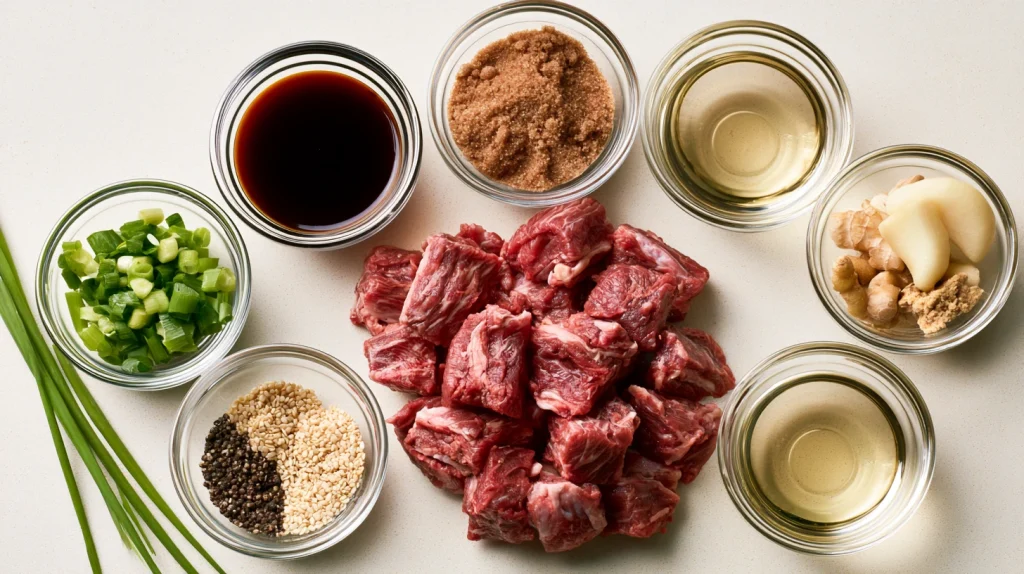
A good Beef Galbi Recipe depends on more than simply adding soy sauce and sugar to beef. The marinade needs balance. Soy sauce provides salt and umami, brown sugar adds sweetness and helps create a beautiful glaze, sesame oil contributes a nutty aroma, while garlic, ginger, onion, and Asian pear bring freshness and depth. The pear also contains natural enzymes that can help tenderize the beef when used correctly.
There are two common styles of galbi that home cooks often encounter. Grilled galbi is marinated and cooked quickly over high heat, while galbijjim is braised slowly until the beef becomes very tender. This recipe uses a braising approach because it produces tender short ribs with a rich sauce and is easier to manage in a home kitchen.
If you enjoy Korean Slow Cooker Recipes, the same flavor profile can also be adapted for a slow cooker. The low and slow cooking method is particularly useful when you want the beef to become very tender without having to stand over the stove for a long period.
Galbijjim Slow Cooker recipes are especially practical for family dinners because most of the cooking time is hands-off. However, the stovetop method in this recipe gives you more control over the sauce and allows you to reduce the cooking liquid until it becomes thick, glossy, and concentrated.
The finished beef has the qualities that make Korean food so appealing: savory depth, mild sweetness, aromatic garlic, tender meat, and a sauce that pairs beautifully with steamed rice. Carrots and Korean radish add texture and absorb some of the flavorful braising liquid, turning the dish into a complete meal rather than simply a plate of beef. This recipe is also useful if you are collecting Korean Dinner Ideas. It is substantial enough for a family meal but attractive enough to serve when guests come over. You can prepare it ahead of time, gently reheat it, and serve it with rice and simple vegetable side dishes.
If you are familiar with Jigae Recipe dishes, you will notice that galbi has a different texture and cooking style. Jigae is generally a Korean stew with a broth-based consistency, while braised galbi has a more concentrated sauce that coats the meat and vegetables. The flavor can also be adjusted to suit different dietary preferences. If you are looking for Low Sodium Korean Recipes, use reduced-sodium soy sauce and control the amount of additional salt. You can still build plenty of flavor with garlic, ginger, onion, sesame oil, mushrooms, and other aromatics.
For anyone searching for Galbi Recipe Korean Beef, this version is designed to make the process clear and manageable. The beef is first prepared and briefly blanched, then slowly braised with a flavorful sauce until tender. The final sauce is reduced so it clings to the beef instead of remaining watery.
The most important part of the recipe is patience. Short ribs contain connective tissue that needs time to soften. Cooking the beef too quickly can leave it chewy, while gentle cooking allows the connective tissue to break down and creates the tender texture associated with a good galbi dish. Whether you call it a Beef Galbi Recipe, Galbi Recipe Korean Beef, or a Korean-style short rib dish, the goal remains the same: tender beef with a rich, balanced sauce and enough fresh ingredients to keep the meal from feeling heavy.
Why You’ll Love This Recipe
Preparation and Cooking Time, Also Serving
The marinating time can be shortened when necessary, but allowing the beef to rest in the marinade for at least 1 hour gives the aromatics and seasonings more opportunity to penetrate the surface. For the best results, marinate the beef for several hours in the refrigerator.
The cooking time depends on the size and thickness of the short ribs. The beef is ready when a fork can easily enter the meat and the connective tissue has softened. If the ribs are still firm after two hours, continue cooking them over low heat until they reach the desired tenderness.
Ingredients
For the Vegetables
For Finishing
Substitution Notes
Step-by-Step Instructions

Step 1: Soak and Prepare the Beef
Place the beef short ribs in a large bowl and cover them with cold water, allowing them to soak for approximately 20 to 30 minutes to remove excess blood from the surface before cooking. Drain the ribs thoroughly, rinse them briefly under cold water, and pat them dry with paper towels, then trim away only any loose pieces of excess fat while keeping the marbled fat that will help maintain moisture during braising.
Step 2: Make the Korean Marinade
Place the chopped Asian pear, quartered onion, garlic, ginger, soy sauce, brown sugar, rice wine, toasted sesame oil, honey, gochujang, and black pepper in a blender or food processor and blend until the mixture becomes mostly smooth. Pour the marinade into a large bowl or resealable container, add the prepared short ribs, turn the beef several times so every surface is coated, cover the container, and refrigerate for at least 1 hour or up to 4 hours.
Step 3: Prepare the Braising Pot
Transfer the marinated beef and all of the marinade into a large heavy-bottomed pot, add 1 cup of water or unsalted beef stock, and bring the mixture to a gentle simmer over medium heat while occasionally skimming away any foam that rises to the surface. Once the liquid begins simmering, reduce the heat to low and arrange the beef so the pieces are mostly surrounded by the cooking liquid without being tightly packed against one another.
Step 4: Braise the Short Ribs
Cover the pot with a lid, leaving it slightly ajar to allow some steam to escape, and gently simmer the beef for approximately 1 hour while maintaining a low, steady cooking temperature. Turn the ribs carefully halfway through the cooking time so the pieces cook evenly, then continue simmering until the meat begins to soften and the connective tissue starts breaking down.
Step 5: Add the Vegetables
Add the carrots, Korean radish, and shiitake mushrooms to the pot once the beef has begun to tenderize, gently pushing the vegetables into the braising liquid without disturbing the beef too much. Cover the pot again and continue cooking for approximately 40 to 50 minutes, or until the vegetables are tender but still hold their shape and the beef can be pierced easily with a fork.
Step 6: Reduce the Sauce
Remove the lid during the final 15 to 20 minutes of cooking and allow the braising liquid to simmer gently until it reduces and becomes noticeably thicker, turning the beef and vegetables carefully several times so they become coated in the concentrated sauce. Watch the pot closely during this stage because the natural sugars in the marinade can cause the sauce to darken quickly if the heat is too high, and lower the heat whenever necessary to prevent scorching.
Step 7: Rest and Finish the Galbi
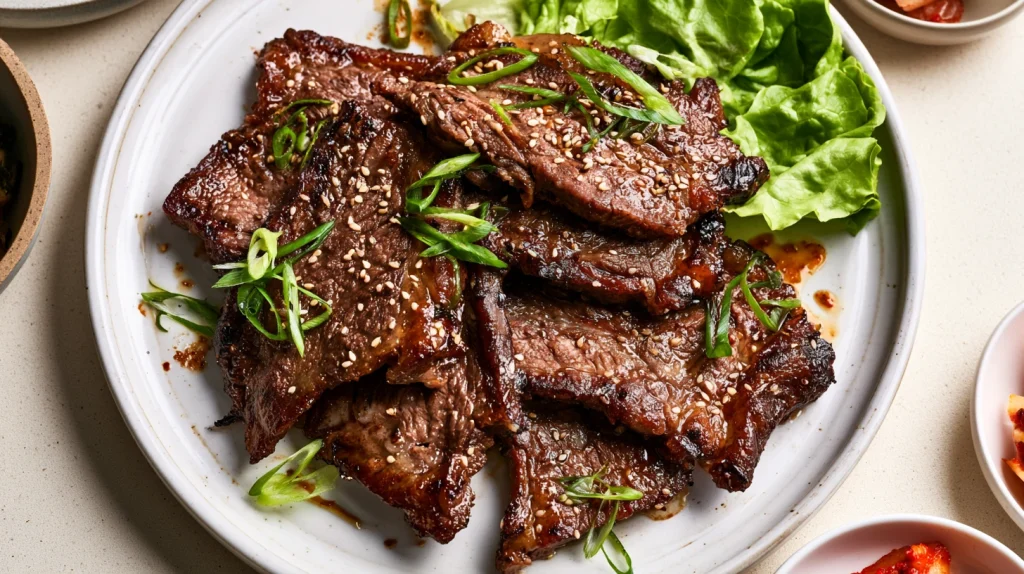
Turn off the heat and allow the cooked beef to rest in the reduced sauce for approximately 10 minutes before transferring the short ribs and vegetables to a serving platter. Spoon some of the glossy sauce over the beef, arrange the vegetables around the ribs, then finish with thinly sliced green onions, toasted sesame seeds, and a small drizzle of toasted sesame oil before serving warm.
How to Serve
Galbi recipe Korean beef is best served warm with steamed rice and a few simple Korean side dishes. The rich sauce works particularly well with plain rice because the rice absorbs the savory juices without competing with the beef.
Additional Tips
Recipe Variations
Freezing and Storage
Nutritional Information
The following values are approximate and based on six servings of the recipe with vegetables and sauce. Actual nutrition will vary depending on the specific short ribs, trimming, marinade, and serving size.
The calorie and fat content can vary significantly because beef short ribs differ in their amount of marbling and visible fat. Trimming excess exterior fat before cooking can reduce the final fat content.
The sodium level is also strongly affected by the soy sauce and gochujang. If you are specifically looking for Low Sodium Korean Recipes, choose reduced-sodium soy sauce and unsalted stock, and avoid adding additional salt unless the finished sauce genuinely needs it.
Serving the galbi with plenty of vegetables and a moderate portion of rice can create a more balanced plate while still allowing the rich beef and sauce to remain the focus.
Final Words
A well-made galbi recipe Korean beef is all about tenderness, balance, and patience. Short ribs need time to transform from a firm cut of beef into meat that is soft enough to pull apart with a fork. The slow braising process gives the connective tissue time to break down while the Korean-style sauce develops into something rich, glossy, and deeply flavorful.
The marinade is equally important. Soy sauce gives the beef savory depth, Asian pear contributes sweetness and tenderness, garlic and ginger provide aromatic character, while sesame oil adds a distinctive nutty finish. The combination creates a sauce that tastes complex without requiring difficult techniques. This Beef Galbi Recipe is also flexible. You can prepare it on the stovetop, adapt it for Galbijjim Slow Cooker cooking, reduce the sodium, add more vegetables, or use leftovers in rice bowls and noodle dishes. That flexibility makes it especially useful for busy home cooks.
If you are building a collection of Korean Dinner Ideas, galbi is an excellent centerpiece. A simple bowl of steamed rice, kimchi, and two or three vegetable side dishes is enough to turn the tender beef into a satisfying Korean-inspired meal.
For anyone interested in Korean Slow Cooker Recipes, the same ingredients can be transferred to a slow cooker for a more hands-off approach. The important point is to cook the beef until it is truly tender rather than relying only on a fixed cooking time. This recipe also helps show the difference between a braised galbi dish and a Jigae Recipe. Both are comforting Korean preparations, but galbi is centered around tender beef and a concentrated sauce, while jigae is generally built around a more generous broth and a mixture of vegetables and other ingredients.
If you prefer less salt, the recipe can easily become one of your favorite Low Sodium Korean Recipes by making a few adjustments. Reduced-sodium soy sauce, unsalted stock, and additional aromatics allow you to maintain depth without depending entirely on salt. The final dish should have tender beef, soft but intact vegetables, and a sauce thick enough to coat everything lightly. Serve it warm over plain rice, add fresh green onions and sesame seeds, and let the sauce soak into the rice.
Once you understand the basic technique, this Galbi Recipe Korean Beef becomes much more than a single recipe. It gives you a dependable method for cooking short ribs and a flavorful Korean-style sauce that can be adapted in many ways.
FAQs

Galbi Recipe Korean Beef – Tender Korean Short Ribs Dinner
Course: Dinner Recipes6
servings25
minutes2
hours610
kcalIngredients
3 pounds beef short ribs, English-cut or Korean-style short ribs
4 cups cold water, for soaking
1 medium yellow onion, quartered
1 medium Asian pear, peeled and chopped
6 cloves garlic
1 tablespoon fresh ginger, peeled and chopped
1/2 cup low-sodium soy sauce
3 tablespoons brown sugar
2 tablespoons rice wine
1 tablespoon toasted sesame oil
1 tablespoon honey
1 tablespoon gochujang
1/2 teaspoon black pepper
1 cup water or unsalted beef stock
- For the Vegetables
2 medium carrots, cut into large chunks
1 pound Korean radish or daikon, peeled and cut into large chunks
6 shiitake mushrooms, cleaned and stems removed
4 green onions, cut into 2-inch pieces
- For Finishing
1 tablespoon toasted sesame seeds
2 green onions, thinly sliced
1 teaspoon toasted sesame oil
Directions
- Place the beef short ribs in a large bowl and cover them with cold water, allowing them to soak for approximately 20 to 30 minutes to remove excess blood from the surface before cooking. Drain the ribs thoroughly, rinse them briefly under cold water, and pat them dry with paper towels, then trim away only any loose pieces of excess fat while keeping the marbled fat that will help maintain moisture during braising.
- Place the chopped Asian pear, quartered onion, garlic, ginger, soy sauce, brown sugar, rice wine, toasted sesame oil, honey, gochujang, and black pepper in a blender or food processor and blend until the mixture becomes mostly smooth. Pour the marinade into a large bowl or resealable container, add the prepared short ribs, turn the beef several times so every surface is coated, cover the container, and refrigerate for at least 1 hour or up to 4 hours.
- Transfer the marinated beef and all of the marinade into a large heavy-bottomed pot, add 1 cup of water or unsalted beef stock, and bring the mixture to a gentle simmer over medium heat while occasionally skimming away any foam that rises to the surface. Once the liquid begins simmering, reduce the heat to low and arrange the beef so the pieces are mostly surrounded by the cooking liquid without being tightly packed against one another.
- Cover the pot with a lid, leaving it slightly ajar to allow some steam to escape, and gently simmer the beef for approximately 1 hour while maintaining a low, steady cooking temperature. Turn the ribs carefully halfway through the cooking time so the pieces cook evenly, then continue simmering until the meat begins to soften and the connective tissue starts breaking down.
- Add the carrots, Korean radish, and shiitake mushrooms to the pot once the beef has begun to tenderize, gently pushing the vegetables into the braising liquid without disturbing the beef too much. Cover the pot again and continue cooking for approximately 40 to 50 minutes, or until the vegetables are tender but still hold their shape and the beef can be pierced easily with a fork.
- Remove the lid during the final 15 to 20 minutes of cooking and allow the braising liquid to simmer gently until it reduces and becomes noticeably thicker, turning the beef and vegetables carefully several times so they become coated in the concentrated sauce. Watch the pot closely during this stage because the natural sugars in the marinade can cause the sauce to darken quickly if the heat is too high, and lower the heat whenever necessary to prevent scorching.
- Turn off the heat and allow the cooked beef to rest in the reduced sauce for approximately 10 minutes before transferring the short ribs and vegetables to a serving platter. Spoon some of the glossy sauce over the beef, arrange the vegetables around the ribs, then finish with thinly sliced green onions, toasted sesame seeds, and a small drizzle of toasted sesame oil before serving warm.