

Green Salsa Recipe – Easy, Authentic Mexican Salsa Verde
Green Salsa Recipe
The green salsa recipe is a cornerstone of Mexican cooking, celebrated for its vibrant color, bold flavor, and versatility. Often referred to as salsa verde, this fresh and tangy sauce brings life to tacos, grilled meats, enchiladas, and even simple eggs. What makes this dish special is its perfect balance of heat, acidity, and herbaceous freshness from tomatillos and cilantro. The taste is bright and slightly tart with a gentle heat that complements rather than overwhelms. Unlike some salsas that rely on heavy cooking or complex seasoning, a green salsa recipe emphasizes natural flavors while creating depth through careful preparation.
People love it because it is easy to make, transforms ordinary meals into restaurant quality dishes, and carries the authentic essence of Mexican salsa verde that has been perfected over generations.
Green salsa works in countless ways. It can be used as a dipping sauce, a topping, or a cooking ingredient that infuses other recipes with fresh flavor. Its appeal spans casual family dinners to sophisticated Mexican cuisine presentations. The freshness of tomatillos, combined with the subtle spiciness of jalapeños and the herbal brightness of cilantro, makes it irresistible. Whether you are an experienced cook or just starting in Mexican cooking, mastering a green salsa recipe allows you to enjoy the authentic taste of Hispanic food in your own kitchen while impressing friends and family with your culinary skill.
Why You’ll Love This Recipe
This green salsa recipe is authentic yet approachable, giving you the same depth of flavor found in restaurant salsa without complicated steps. One of the main reasons you will love it is the control it gives over heat and seasoning, allowing customization to suit your taste. Another reason is versatility. You can use it as a topping for tacos, enchiladas, grilled meats, eggs, or even roasted vegetables. It enhances dishes without overpowering them. The recipe also teaches home cooks proper handling of key ingredients like tomatillos, ensuring the freshness shines through.
Making it at home provides a level of flavor and vibrancy that store-bought Mexican salsa often lacks. The bright color, tangy taste, and herbal notes give your dishes the wow factor, transforming everyday meals into a Mexican culinary experience.

Additionally, this recipe is adaptable for all skill levels. Beginners will appreciate the simple, step-by-step method, while advanced cooks can experiment with variations to suit their preferences. Using fresh ingredients, roasting, or lightly simmering the salsa brings different flavor layers to life. The combination of texture, acidity, and gentle heat creates a balance that is both familiar and exciting. Mastering this green salsa recipe opens the door to other authentic Mexican salsa and Hispanic food recipes, enhancing your repertoire and confidence in Mexican cooking.
Preparation and Cooking Time, also serving
Ingredients
Substitution Notes
Step-by-Step Instructions

Step 1: Prepare the Ingredients
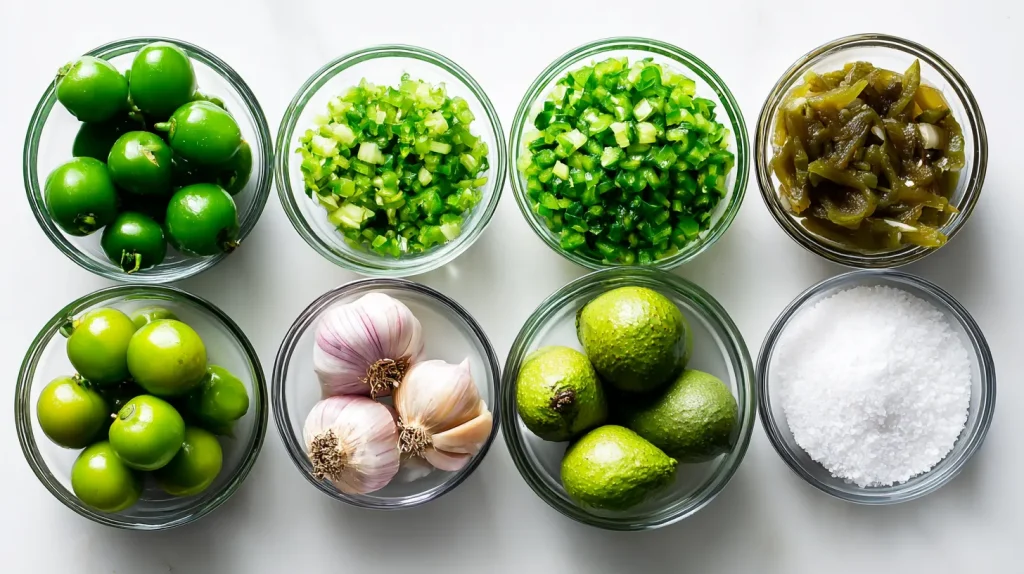
Husk the tomatillos and rinse them thoroughly to remove the sticky residue. Remove stems from jalapeños and seeds if you prefer a milder heat. Roughly chop onion and peel garlic cloves. Wash and dry cilantro to prevent extra water from diluting the salsa. Preparing ingredients properly ensures a bright and balanced flavor in your green salsa recipe.
Step 2: Roast or Boil the Base
Place tomatillos, jalapeños, onion, and garlic on a hot skillet or baking sheet. Lightly roast until tomatillos start to brown and soften. This brings out natural sweetness and adds depth without overpowering the fresh flavors. Alternatively, you can boil the ingredients in a small saucepan for about 5 minutes until softened. The choice between roasting or boiling affects the intensity and color of the final Mexican salsa verde.
Step 3: Blend the Salsa
Transfer the cooked ingredients to a blender or food processor. Add cilantro, salt, lime juice, cumin if using, and water or vegetable broth. Blend until smooth, tasting occasionally to adjust seasoning. If you prefer a chunkier texture similar to restaurant salsa, pulse briefly rather than blending continuously. This green salsa recipe allows control over texture and consistency to match personal preference or the dish it will accompany.
Step 4: Adjust Seasoning
Taste the salsa and add additional salt or lime juice as needed. For more heat, blend in an extra jalapeño or a pinch of cayenne. Fresh herbs, like additional cilantro, can be added after blending to maintain vibrancy. Balancing acidity, salt, and heat is essential for an authentic Mexican salsa experience.
Step 5: Serve Immediately or Chill
This green salsa recipe can be served warm, which enhances roasted flavors, or chilled to allow flavors to meld. Chilling slightly deepens the taste and makes it ideal for tacos, enchiladas, and other Hispanic food applications. Stir before serving if prepared in advance.
How to Serve
Green salsa can be plated as a dipping sauce for tortilla chips, drizzled over tacos, enchiladas, grilled chicken, fish, or pork. Spoon over scrambled eggs for a vibrant breakfast or as a topping for roasted vegetables to add a pop of color and flavor. For presentation, serve in a small bowl with a garnish of fresh cilantro or thinly sliced radish. It pairs well with Mexican rice, beans, or grilled meats for a complete meal. Restaurant salsa often accompanies platters of tortillas, beans, and proteins; mimic this style at home by arranging the salsa in a central dish surrounded by sides.
Additional Tips
Choose firm, bright green tomatillos to ensure freshness and tartness. Remove excess water from rinsing to avoid thinning the salsa. Use a sharp knife to prevent bruising delicate ingredients. Blending in stages, starting with tomatillos and peppers, then adding cilantro and lime, ensures even flavor distribution. Toasting cumin lightly before adding enhances aroma. If you prefer a smoky flavor, char ingredients on an open flame. Avoid overblending to maintain some texture and body. These tips help achieve professional-level flavor while keeping the recipe simple and approachable for home cooks. They apply to all authentic Mexican salsa verde and Mexican cooking methods.
Recipe Variations
Freezing and Storage
Nutritional Information
Approximate per 1/4 cup serving:
Final Words
Mastering a green salsa recipe opens up a world of authentic Mexican flavors in your own kitchen. The bright, tangy taste of fresh tomatillos combined with the herbal notes of cilantro and the subtle heat of jalapeños makes this salsa a versatile companion to countless dishes. Whether you are serving tacos, enchiladas, grilled meats, roasted vegetables, or even eggs, this salsa adds a burst of freshness and complexity that elevates every meal. Cooking it at home allows you to control the balance of heat, acidity, and seasoning, creating a version that perfectly suits your taste while staying true to authentic Mexican salsa traditions.
Beyond flavor, making this salsa enhances your confidence in Mexican cooking. The techniques involved from roasting or boiling tomatillos to blending ingredients for optimal texture teach you important skills that apply to other sauces and condiments in Hispanic food. Understanding how to build layers of flavor, balance acidity, and control spice will improve your overall cooking instincts. This green salsa recipe is not just a sauce but a teaching tool for home cooks, showing how simple, fresh ingredients can deliver professional-level results without complicated techniques. With practice, you will find yourself adapting and experimenting with variations, making each batch your own while preserving the classic essence of salsa verde.
Finally, the satisfaction of serving your homemade green salsa cannot be overstated. There is a distinct difference between store-bought versions and a freshly prepared, vibrant green salsa recipe made from scratch. The color, aroma, and taste instantly signal freshness and quality, impressing family and friends alike. By mastering this recipe, you gain a reliable foundation for exploring other Mexican sauces and dishes, bringing a touch of authentic Mexican cuisine into your everyday meals. Homemade green salsa encourages creativity, versatility, and a deeper appreciation for the rich traditions of Mexican cooking while providing a flavorful, healthy, and memorable addition to your culinary repertoire.
FAQ’s

Green Salsa Recipe – Easy, Authentic Mexican Salsa Verde
Course: Sauces6
servings15
minutes25
kcalIngredients
1 pound tomatillos husked, rinsed, and halved
2 medium jalapeños stemmed and seeded (adjust for heat)
1 small white onion roughly chopped
3 garlic cloves peeled
1/2 cup fresh cilantro leaves
1 teaspoon kosher salt
1 tablespoon lime juice freshly squeezed
1/2 teaspoon ground cumin optional for depth
1/4 cup water or vegetable broth for blending
Directions
- Husk the tomatillos and rinse them thoroughly to remove the sticky residue. Remove stems from jalapeños and seeds if you prefer a milder heat. Roughly chop onion and peel garlic cloves. Wash and dry cilantro to prevent extra water from diluting the salsa. Preparing ingredients properly ensures a bright and balanced flavor in your green salsa recipe.
- Place tomatillos, jalapeños, onion, and garlic on a hot skillet or baking sheet. Lightly roast until tomatillos start to brown and soften. This brings out natural sweetness and adds depth without overpowering the fresh flavors. Alternatively, you can boil the ingredients in a small saucepan for about 5 minutes until softened. The choice between roasting or boiling affects the intensity and color of the final Mexican salsa verde.
- Transfer the cooked ingredients to a blender or food processor. Add cilantro, salt, lime juice, cumin if using, and water or vegetable broth. Blend until smooth, tasting occasionally to adjust seasoning. If you prefer a chunkier texture similar to restaurant salsa, pulse briefly rather than blending continuously. This green salsa recipe allows control over texture and consistency to match personal preference or the dish it will accompany.
- Taste the salsa and add additional salt or lime juice as needed. For more heat, blend in an extra jalapeño or a pinch of cayenne. Fresh herbs, like additional cilantro, can be added after blending to maintain vibrancy. Balancing acidity, salt, and heat is essential for an authentic Mexican salsa experience.
- This green salsa recipe can be served warm, which enhances roasted flavors, or chilled to allow flavors to meld. Chilling slightly deepens the taste and makes it ideal for tacos, enchiladas, and other Hispanic food applications. Stir before serving if prepared in advance.


