

Italian Buttercream Frosting – Smooth & Creamy Frosting
Italian Buttercream Frosting
Italian buttercream frosting is considered one of the most refined and balanced frostings in professional baking. It is known for its silky texture, stable structure, and smooth mouthfeel that never feels heavy or overly sweet. Unlike simple buttercream styles, Italian buttercream frosting is built on a cooked sugar syrup that is whipped into egg whites, creating a stable meringue before butter is added. The result is a frosting that feels light yet luxurious, making it ideal for both simple home cakes and advanced cake decorating.
What truly sets italian buttercream frosting apart is its flavor balance. It is often described as a not sweet buttercream frosting because the sugar is fully dissolved and cooked, removing any graininess or sharp sweetness. This makes it perfect for people who enjoy a refined dessert rather than a sugary one. The texture is smooth, creamy, and slightly whipped, which allows it to spread beautifully and hold shape without feeling dense.
Home bakers and professionals love this frosting because it is reliable. It performs consistently in different temperatures, pipes cleanly, and pairs well with a wide range of cake frosting flavors. Whether you are making a birthday cake, wedding cake, or practicing easy buttercream cake decorating, italian buttercream frosting offers control, elegance, and excellent flavor.
Why You’ll Love This Recipe
Italian buttercream frosting stands out because it combines structure with softness in a way few frostings can. Once you master this method, it becomes a foundation recipe you can adapt endlessly.
This italian buttercream frosting recipe creates a stabilized buttercream frosting that resists melting better than whipped cream buttercream frosting and feels lighter than traditional American buttercream. It spreads smoothly, making it one of the best frosting to decorate a cake, especially when sharp edges or clean finishes are important.
Another reason bakers love italian frosting is how adaptable it is. You can flavor it with chocolate, fruit purees, nut pastes, or coffee without losing its texture. From peanut butter italian meringue buttercream to vanilla or citrus versions, this base supports endless buttercream flavors recipes.
It is also ideal for piping. If you are looking for a pipable buttercream frosting or even a stiff piping frosting recipe for flowers and borders, this frosting can be adjusted easily by temperature and whipping time. It is stable, smooth, and professional looking even for home bakers.
Preparation and Cooking Time
Ingredients
Substitution Notes
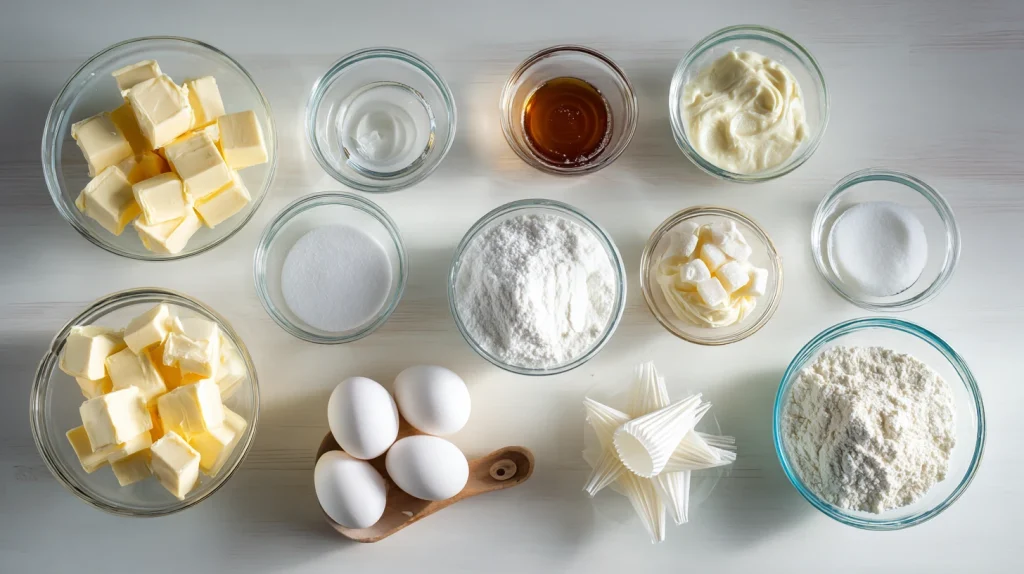
Step by Step Instructions

Step 1: Preparing the Sugar Syrup
Combine the sugar and water in a small saucepan. Place it over medium heat and allow the sugar to dissolve without stirring once it begins to boil. Cook until the syrup reaches 240°F. This temperature ensures the sugar is cooked enough to stabilize the meringue without crystallizing.
Step 2: Whipping the Egg Whites
While the syrup cooks, begin whipping the egg whites in a clean, grease free bowl. Whip until they reach soft peaks. The egg whites should look foamy but still flexible, not stiff or dry.
Step 3: Adding the Hot Syrup
With the mixer running on medium speed, slowly pour the hot sugar syrup into the whipped egg whites in a thin stream. Aim for the side of the bowl to avoid splashing. Continue whipping until the bowl feels cool to the touch. This step cooks the egg whites and creates a glossy italian meringue.
Step 4: Incorporating the Butter
Once the meringue has cooled, begin adding butter one cube at a time. The mixture may look curdled at first. Keep mixing. This is normal and part of the process. Continue whipping until the frosting becomes smooth, creamy, and fully emulsified.
Step 5: Flavoring and Final Texture
Add vanilla extract and salt. Whip for another minute until fully incorporated. The italian buttercream frosting should be smooth, light, and stable, with a texture suitable for spreading or piping.
How to Serve
Italian buttercream frosting is best served when it has had time to settle and set properly on the cake. Once frosted, allow the cake to rest at room temperature for about 20 to 30 minutes before slicing. This helps the frosting soften slightly, bringing out its smooth texture and balanced flavor without becoming loose.
For classic layer cakes, spread italian buttercream frosting evenly between layers using an offset spatula, then coat the outside with a thin crumb layer before applying the final finish. This creates clean edges and a professional appearance. For cupcakes, this frosting pipes beautifully into rosettes, swirls, and shell borders, making it ideal for celebrations and events where presentation matters.

This frosting pairs exceptionally well with vanilla sponge, chocolate cake, red velvet, almond cake, and lightly sweet fruit based cakes. Because it is a not sweet buttercream frosting, it balances richer cake flavors without overpowering them. It also works well with fillings such as fruit preserves, pastry cream, or ganache.
When serving at parties or special occasions, italian buttercream frosting holds its shape better than sweet cream frosting, especially in moderate temperatures. For outdoor events or warm rooms, keep the cake chilled until shortly before serving, then display it briefly to maintain structure and appearance.
Secret Behind This Recipe
The true secret behind italian buttercream frosting is temperature control. The sugar syrup must reach the correct stage, and the meringue must cool completely before adding butter. Rushing either step leads to texture issues.
Another key detail is patience. When the frosting looks broken or soupy during mixing, continuing to whip allows the fat and meringue to emulsify properly. This patience is what separates professional italian buttercream frosting from failed batches.
Recipe Variations
Additional Tips
Freezing and Storage
Nutritional Information
Approximate values per serving
Values may vary depending on flavor additions and portion size.
Final Words
Italian buttercream frosting is more than just a cake topping. It is a foundational skill that elevates home baking to a professional level. Learning this italian buttercream frosting recipe gives you control over sweetness, texture, and stability, allowing you to create cakes that look refined and taste balanced.
Making italian frosting at home helps you move beyond overly sweet frostings and into a more elegant style of baking. This recipe teaches patience, precision, and technique, all of which translate into better results across all your desserts. Once you understand how the meringue and butter work together, you can confidently experiment with different buttercream flavors recipes and decorating styles.
Whether you are frosting a simple family cake or preparing a centerpiece dessert for an important celebration, italian buttercream frosting delivers consistency, beauty, and flavor. With practice, it becomes one of the most reliable and rewarding frostings you can master in your home kitchen.
FAQs

Italian Buttercream Frosting – Smooth & Creamy Frosting
Course: Desserts18
servings20
minutes10
minutes220
kcalIngredients
1 cup granulated sugar
1 third cup water
5 large egg whites, room temperature
1 and a half cups unsalted butter, room temperature and cubed
1 teaspoon vanilla extract
1 quarter teaspoon salt
Directions
- Combine the sugar and water in a small saucepan. Place it over medium heat and allow the sugar to dissolve without stirring once it begins to boil. Cook until the syrup reaches 240°F. This temperature ensures the sugar is cooked enough to stabilize the meringue without crystallizing.
- While the syrup cooks, begin whipping the egg whites in a clean, grease free bowl. Whip until they reach soft peaks. The egg whites should look foamy but still flexible, not stiff or dry.
- With the mixer running on medium speed, slowly pour the hot sugar syrup into the whipped egg whites in a thin stream. Aim for the side of the bowl to avoid splashing. Continue whipping until the bowl feels cool to the touch. This step cooks the egg whites and creates a glossy italian meringue.
- Once the meringue has cooled, begin adding butter one cube at a time. The mixture may look curdled at first. Keep mixing. This is normal and part of the process. Continue whipping until the frosting becomes smooth, creamy, and fully emulsified.
- Add vanilla extract and salt. Whip for another minute until fully incorporated. The italian buttercream frosting should be smooth, light, and stable, with a texture suitable for spreading or piping.