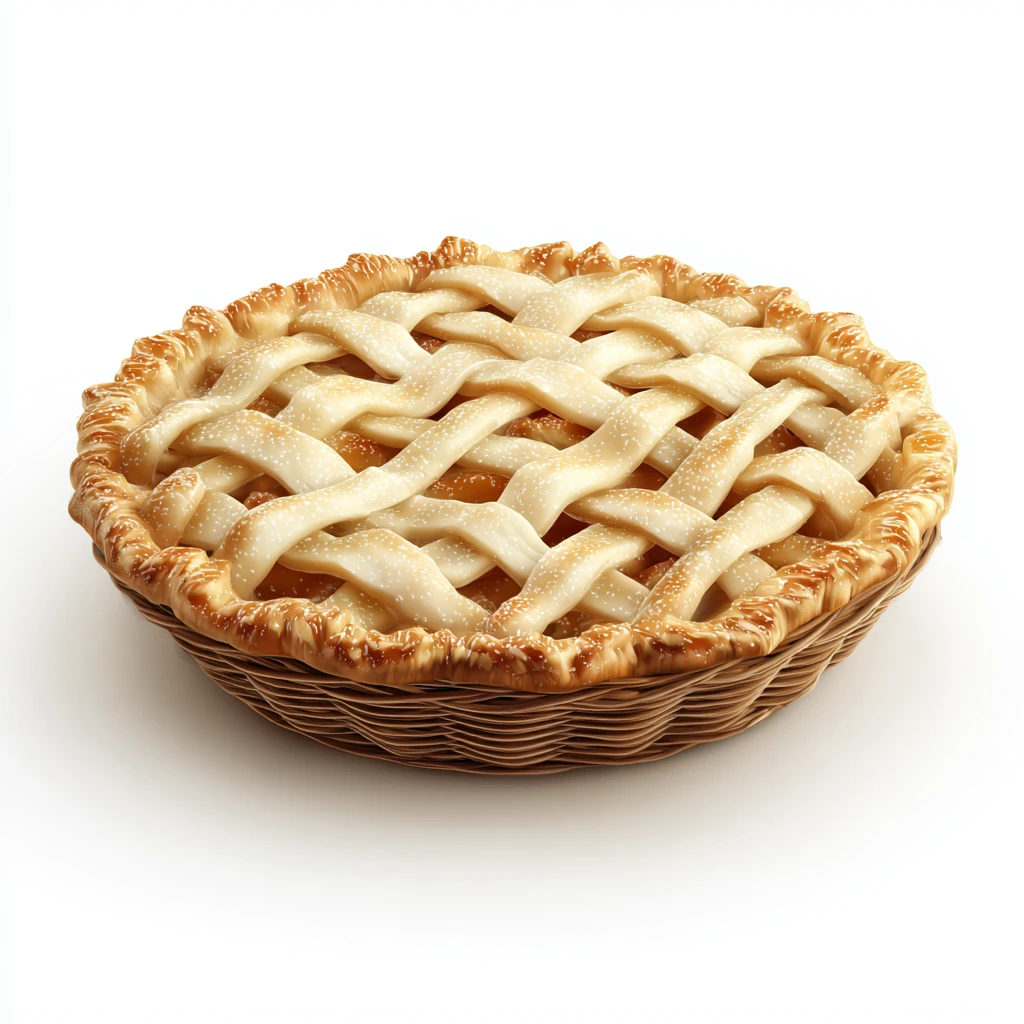
Lard Pie Crust Recipe

Easy Lard Pie Crust Recipe – Perfectly Flaky Homemade Pies

Lard Pie Crust Recipe

A well made pie begins with a strong foundation, and that foundation is the crust. The lard pie crust recipe is a classic technique that professional bakers and experienced home cooks rely on when they want a pie crust that is exceptionally flaky, tender, and rich in flavor. Unlike crusts made entirely with butter or shortening, a crust made with lard creates delicate layers that bake into a crisp, golden shell capable of holding both sweet and savory fillings.

What makes a lard pie crust recipe special is its balance of texture and structure. Lard has a higher melting point than butter, which means the fat stays solid longer while the dough bakes. This allows steam to form small pockets inside the crust, creating the flaky layers that people love in a homemade pie. When baked properly, the crust becomes light and crisp without feeling greasy or heavy.

Another reason many bakers prefer a lard pie crust recipe is its versatility. It works beautifully for fruit pies, custard pies, savory pies, and even rustic galettes. Whether you are making apple pie, chicken pot pie, or pumpkin pie, the crust holds its shape and supports the filling without becoming soggy.

This recipe also works perfectly when you need a par baked pie crust. A par baked pie crust is partially baked before the filling is added, which helps maintain structure and prevents the bottom crust from becoming soft. Many bakers rely on this technique when preparing custard based pies or pies that require additional baking time after the filling is added.

Understanding how to prepare a parbaked pie crust and learning the correct blind baking pie crust tips can transform your baking results. Blind baking pie crust simply means baking the crust before filling it, usually with the help of pie weights or dried beans to keep the crust from puffing up. This method creates a no shrink blind bake pie crust that stays flat, crisp, and ready for filling.

Learning how to blind bake a pie crust is particularly important when making delicate fillings such as custards, cream pies, or when preparing a blind bake pie crust for pumpkin pie. In these cases, the crust must hold its shape and remain crisp even after the filling is added and baked again. Timing also matters. Knowing the correct blind baking pie crust time ensures the crust cooks evenly without burning or drying out. When the timing is right, the crust develops a golden color and firm texture that supports the filling beautifully.

This lard pie crust recipe brings together traditional baking knowledge with practical techniques that work in a modern kitchen. Once you understand how to prepare the dough, shape it properly, and use methods such as blind bake crust techniques or creating a par baked pie crust, you will be able to produce bakery quality pies at home with confidence. For anyone who loves baking, mastering a reliable lard pie crust recipe is one of the most valuable skills you can develop in the kitchen.

Why You’ll Love This Recipe

A carefully prepared lard pie crust recipe creates a crust that is consistently flaky and tender. The natural properties of lard help form delicate layers that bake into a crisp texture without becoming tough. Another reason this recipe works so well is its reliability. Once you learn the proper technique, the dough behaves predictably and is easy to roll, shape, and transfer to a pie pan. Many bakers find it easier to work with compared to butter based dough. This recipe is also ideal when preparing a par baked pie crust. The dough holds its shape during baking, which is important when using techniques such as blind baking pie crust or creating a no shrink blind bake pie crust.

Home bakers appreciate how versatile this crust is. It works for both sweet and savory pies, allowing one recipe to cover multiple baking needs throughout the year. The method also teaches important baking skills such as blind baking pie crust tips and understanding the correct blind baking pie crust time. These skills make it easier to prepare pies with delicate fillings that require a pre baked crust. Finally, this recipe produces a crust that complements fillings rather than overpowering them. The flavor is subtle and rich, allowing fruits, custards, or savory ingredients to remain the focus of the dish.

Preparation and Cooking Time, also serving

  • Preparation time: 20 minutes
  • Chilling time: 30 minutes
  • Blind baking time: 15 to 20 minutes
  • Total time: about 1 hour 10 minutes
  • Servings: One 9 inch pie crust suitable for 6 to 8 slices

Ingredients

  • 2 ½ cups all purpose flour
  • 1 teaspoon salt
  • 1 tablespoon granulated sugar
  • 1 cup cold lard
  • 6 to 8 tablespoons ice water

Substitution notes

  • Unsalted butter can replace part of the lard if you prefer a slightly richer flavor.
  • Vegetable shortening can be used if lard is not available, though the texture may differ slightly.
  • Whole wheat flour can replace a portion of the all purpose flour for a more rustic crust.
Lard Pie Crust Recipe

Step by Step Instructions

pie crust vector

Step 1: Prepare the Dry Ingredients

In a large mixing bowl combine the flour, salt, and sugar, then stir gently so the ingredients are evenly distributed because a balanced mixture ensures the dough develops a consistent structure once the fat and water are added.

pie crust vector

Step 2: Cut the Lard into the Flour

Add the cold lard to the flour mixture and use a pastry cutter or your fingertips to work the fat into the flour until the mixture resembles coarse crumbs with small pea sized pieces of fat remaining, because these small pieces of lard create the flaky layers that define a successful lard pie crust recipe.

pie crust vector

Step 3: Add Ice Water and Form Dough

Gradually add ice water one tablespoon at a time while gently mixing the dough until it begins to come together into a soft mass that holds when pressed but does not feel sticky or wet.

pie crust vector

Step 4: Shape and Chill the Dough

Gather the dough into a smooth disk, wrap it tightly in plastic wrap, and place it in the refrigerator for about thirty minutes so the fat firms up and the gluten relaxes, which makes the dough easier to roll and helps create a tender crust.

pie crust vector

Step 5: Roll the Pie Dough

Place the chilled dough on a lightly floured surface and roll it outward from the center into a circle about two inches larger than your pie dish, rotating the dough occasionally so it stays even and prevents sticking.

pie crust vector

Step 6: Transfer Dough to the Pie Dish

Carefully lift the rolled dough and place it into the pie dish, pressing it gently along the bottom and sides without stretching so the crust fits naturally and reduces the risk of shrinking during baking.

pie crust vector

Step 7: Prepare for Blind Baking Pie Crust

Trim excess dough from the edges and crimp the border if desired, then line the crust with parchment paper and fill it with pie weights or dried beans so the dough stays flat while baking, which is a key step in blind baking pie crust.

pie crust vector

Step 8: Begin Blind Bake Crust Process

Place the prepared crust into a preheated oven at 375°F and bake for about 12 to 15 minutes until the edges begin to set, which is the first stage of how to blind bake a pie crust properly.

pie crust vector

Step 9: Remove Weights and Continue Baking

Carefully remove the parchment and pie weights and return the crust to the oven for an additional 5 to 8 minutes so the bottom finishes cooking and develops a light golden color that indicates a properly par baked pie crust.

pie crust vector

Step 10: Cool the Parbaked Pie Crust

Allow the crust to cool completely before adding filling because a cooled crust maintains its structure and helps prevent soggy layers when the pie is baked again.

How to Serve

Once the lard pie crust recipe has been baked and filled, the finished pie can be served in many ways depending on the filling. Fruit pies are often served slightly warm with whipped cream or vanilla ice cream. Custard based pies such as pumpkin pie benefit from a fully prepared blind bake pie crust for pumpkin pie because the crisp shell supports the soft filling beautifully. When serving savory pies, pair them with simple salads or roasted vegetables so the crust remains the highlight of the dish. For presentation, slice the pie with a sharp knife and serve on wide plates to show the flaky layers that make this crust so appealing.

Secret Behind This Recipe

The true secret behind a perfect lard pie crust recipe lies in temperature control and gentle handling. Cold fat creates steam during baking, which forms the flaky layers inside the crust. If the lard becomes too warm during mixing, those layers cannot form properly. Another key factor is allowing the dough to rest before rolling. Resting relaxes the gluten and helps create a no shrink blind bake pie crust that holds its shape during baking.

The final secret involves understanding blind baking pie crust time. Baking too briefly leaves the crust pale and soft, while baking too long can dry it out. A properly timed parbaked pie crust becomes lightly golden with a firm texture that supports the filling.

Lard Pie Crust Recipe

Recipe Variations

  • Classic Butter and Lard Crust
    Replace half the lard with unsalted butter to create a crust that combines butter flavor with the flakiness of lard.
  • Sweet Dessert Crust
    Add an extra tablespoon of sugar to the dough when making pies with fruit or custard fillings.
  • Savory Herb Pie Crust
    Mix dried herbs such as thyme or rosemary into the flour to create a crust that pairs well with meat or vegetable pies.

Additional Tips

  • Keep all ingredients cold when preparing the dough.
  • Use ice water rather than room temperature water.
  • Avoid overworking the dough to keep the crust tender.
  • Chill the dough before rolling to prevent sticking.
  • Use parchment and weights when blind baking pie crust.
  • Monitor blind baking pie crust time carefully to avoid overbaking.
  • Allow the crust to cool before filling.

Freezing and Storage

A prepared lard pie crust recipe can be stored in several ways. Unbaked dough can be wrapped tightly and refrigerated for up to two days or frozen for up to three months. When freezing, place the wrapped dough in an airtight container to prevent freezer odors from affecting the flavor. If you have already prepared a par baked pie crust, allow it to cool completely before wrapping and storing it in the refrigerator for up to three days. To use a frozen crust, thaw it slowly in the refrigerator and refresh it briefly in the oven before adding the filling.

Nutritional Information

Approximate values per slice of crust

  • Calories: 220
  • Carbohydrates: 20 g
  • Protein: 3 g
  • Fat: 14 g
  • Sodium: 180 mg
  • Fiber: 1 g

Final Words

Learning a reliable lard pie crust recipe gives every home baker the confidence to create beautiful pies from scratch. The crust forms the structure and texture of the pie, and when it is prepared correctly, it transforms simple fillings into something memorable.

With the right technique, understanding how to blind bake a pie crust, and following essential blind baking pie crust tips, you can create crusts that remain crisp, flaky, and strong enough to hold a wide range of fillings. Mastering methods such as blind baking pie crust, preparing a par baked pie crust, and controlling blind baking pie crust time ensures that every pie you bake has the structure and flavor that experienced bakers strive for.

Once you practice this lard pie crust recipe a few times, it becomes second nature, and you will always have the foundation for exceptional homemade pies ready whenever inspiration strikes.

FAQs

Lard creates a very flaky texture because it melts slowly during baking, forming delicate layers that make the crust light and crisp.

A par baked pie crust is a crust that is partially baked before the filling is added, helping prevent sogginess and improving the final texture of the pie.

Blind baking pie crust time usually ranges from 15 to 20 minutes depending on the oven temperature and whether the crust will be baked again with filling.

Chilling the dough before baking and using pie weights during blind baking pie crust helps prevent shrinking and keeps the crust evenly shaped.

Blind baking crust is important for pies with wet fillings or custard bases, but fruit pies that bake for a long time may not require this step.

Easy Lard Pie Crust Recipe – Perfectly Flaky Homemade Pies

Recipe by Lily SpotCourse: Desserts
Servings

8

servings
Prep time

20

minutes
Cooking time

30

minutes
Calories

220

kcal

Ingredients

  • 2 ½ cups all purpose flour

  • 1 teaspoon salt

  • 1 tablespoon granulated sugar

  • 1 cup cold lard

  • 6 to 8 tablespoons ice water

Directions

  • In a large mixing bowl combine the flour, salt, and sugar, then stir gently so the ingredients are evenly distributed because a balanced mixture ensures the dough develops a consistent structure once the fat and water are added.
  • Add the cold lard to the flour mixture and use a pastry cutter or your fingertips to work the fat into the flour until the mixture resembles coarse crumbs with small pea sized pieces of fat remaining, because these small pieces of lard create the flaky layers that define a successful lard pie crust recipe.
  • Gradually add ice water one tablespoon at a time while gently mixing the dough until it begins to come together into a soft mass that holds when pressed but does not feel sticky or wet.
  • Gather the dough into a smooth disk, wrap it tightly in plastic wrap, and place it in the refrigerator for about thirty minutes so the fat firms up and the gluten relaxes, which makes the dough easier to roll and helps create a tender crust.
  • Place the chilled dough on a lightly floured surface and roll it outward from the center into a circle about two inches larger than your pie dish, rotating the dough occasionally so it stays even and prevents sticking.
  • Carefully lift the rolled dough and place it into the pie dish, pressing it gently along the bottom and sides without stretching so the crust fits naturally and reduces the risk of shrinking during baking.
  • Trim excess dough from the edges and crimp the border if desired, then line the crust with parchment paper and fill it with pie weights or dried beans so the dough stays flat while baking, which is a key step in blind baking pie crust.
  • Place the prepared crust into a preheated oven at 375°F and bake for about 12 to 15 minutes until the edges begin to set, which is the first stage of how to blind bake a pie crust properly.
  • Carefully remove the parchment and pie weights and return the crust to the oven for an additional 5 to 8 minutes so the bottom finishes cooking and develops a light golden color that indicates a properly par baked pie crust.
  • Allow the crust to cool completely before adding filling because a cooled crust maintains its structure and helps prevent soggy layers when the pie is baked again.

Easy Lard Pie Crust Recipe – Perfectly Flaky Homemade Pies

Lard Pie Crust Recipe

A well made pie begins with a strong foundation, and that foundation is the crust. The lard pie crust recipe is a classic technique that professional bakers and experienced home cooks rely on when they want a pie crust that is exceptionally flaky, tender, and rich in flavor. Unlike crusts made entirely with butter or shortening, a crust made with lard creates delicate layers that bake into a crisp, golden shell capable of holding both sweet and savory fillings.

What makes a lard pie crust recipe special is its balance of texture and structure. Lard has a higher melting point than butter, which means the fat stays solid longer while the dough bakes. This allows steam to form small pockets inside the crust, creating the flaky layers that people love in a homemade pie. When baked properly, the crust becomes light and crisp without feeling greasy or heavy.

Another reason many bakers prefer a lard pie crust recipe is its versatility. It works beautifully for fruit pies, custard pies, savory pies, and even rustic galettes. Whether you are making apple pie, chicken pot pie, or pumpkin pie, the crust holds its shape and supports the filling without becoming soggy.

This recipe also works perfectly when you need a par baked pie crust. A par baked pie crust is partially baked before the filling is added, which helps maintain structure and prevents the bottom crust from becoming soft. Many bakers rely on this technique when preparing custard based pies or pies that require additional baking time after the filling is added.

Understanding how to prepare a parbaked pie crust and learning the correct blind baking pie crust tips can transform your baking results. Blind baking pie crust simply means baking the crust before filling it, usually with the help of pie weights or dried beans to keep the crust from puffing up. This method creates a no shrink blind bake pie crust that stays flat, crisp, and ready for filling.

Learning how to blind bake a pie crust is particularly important when making delicate fillings such as custards, cream pies, or when preparing a blind bake pie crust for pumpkin pie. In these cases, the crust must hold its shape and remain crisp even after the filling is added and baked again. Timing also matters. Knowing the correct blind baking pie crust time ensures the crust cooks evenly without burning or drying out. When the timing is right, the crust develops a golden color and firm texture that supports the filling beautifully.

This lard pie crust recipe brings together traditional baking knowledge with practical techniques that work in a modern kitchen. Once you understand how to prepare the dough, shape it properly, and use methods such as blind bake crust techniques or creating a par baked pie crust, you will be able to produce bakery quality pies at home with confidence. For anyone who loves baking, mastering a reliable lard pie crust recipe is one of the most valuable skills you can develop in the kitchen.

Why You’ll Love This Recipe

A carefully prepared lard pie crust recipe creates a crust that is consistently flaky and tender. The natural properties of lard help form delicate layers that bake into a crisp texture without becoming tough. Another reason this recipe works so well is its reliability. Once you learn the proper technique, the dough behaves predictably and is easy to roll, shape, and transfer to a pie pan. Many bakers find it easier to work with compared to butter based dough. This recipe is also ideal when preparing a par baked pie crust. The dough holds its shape during baking, which is important when using techniques such as blind baking pie crust or creating a no shrink blind bake pie crust.

Home bakers appreciate how versatile this crust is. It works for both sweet and savory pies, allowing one recipe to cover multiple baking needs throughout the year. The method also teaches important baking skills such as blind baking pie crust tips and understanding the correct blind baking pie crust time. These skills make it easier to prepare pies with delicate fillings that require a pre baked crust. Finally, this recipe produces a crust that complements fillings rather than overpowering them. The flavor is subtle and rich, allowing fruits, custards, or savory ingredients to remain the focus of the dish.

Preparation and Cooking Time, also serving

  • Preparation time: 20 minutes
  • Chilling time: 30 minutes
  • Blind baking time: 15 to 20 minutes
  • Total time: about 1 hour 10 minutes
  • Servings: One 9 inch pie crust suitable for 6 to 8 slices

Ingredients

  • 2 ½ cups all purpose flour
  • 1 teaspoon salt
  • 1 tablespoon granulated sugar
  • 1 cup cold lard
  • 6 to 8 tablespoons ice water

Substitution notes

  • Unsalted butter can replace part of the lard if you prefer a slightly richer flavor.
  • Vegetable shortening can be used if lard is not available, though the texture may differ slightly.
  • Whole wheat flour can replace a portion of the all purpose flour for a more rustic crust.
Lard Pie Crust Recipe

Step by Step Instructions

pie crust vector

Step 1: Prepare the Dry Ingredients

In a large mixing bowl combine the flour, salt, and sugar, then stir gently so the ingredients are evenly distributed because a balanced mixture ensures the dough develops a consistent structure once the fat and water are added.

pie crust vector

Step 2: Cut the Lard into the Flour

Add the cold lard to the flour mixture and use a pastry cutter or your fingertips to work the fat into the flour until the mixture resembles coarse crumbs with small pea sized pieces of fat remaining, because these small pieces of lard create the flaky layers that define a successful lard pie crust recipe.

pie crust vector

Step 3: Add Ice Water and Form Dough

Gradually add ice water one tablespoon at a time while gently mixing the dough until it begins to come together into a soft mass that holds when pressed but does not feel sticky or wet.

pie crust vector

Step 4: Shape and Chill the Dough

Gather the dough into a smooth disk, wrap it tightly in plastic wrap, and place it in the refrigerator for about thirty minutes so the fat firms up and the gluten relaxes, which makes the dough easier to roll and helps create a tender crust.

pie crust vector

Step 5: Roll the Pie Dough

Place the chilled dough on a lightly floured surface and roll it outward from the center into a circle about two inches larger than your pie dish, rotating the dough occasionally so it stays even and prevents sticking.

pie crust vector

Step 6: Transfer Dough to the Pie Dish

Carefully lift the rolled dough and place it into the pie dish, pressing it gently along the bottom and sides without stretching so the crust fits naturally and reduces the risk of shrinking during baking.

pie crust vector

Step 7: Prepare for Blind Baking Pie Crust

Trim excess dough from the edges and crimp the border if desired, then line the crust with parchment paper and fill it with pie weights or dried beans so the dough stays flat while baking, which is a key step in blind baking pie crust.

pie crust vector

Step 8: Begin Blind Bake Crust Process

Place the prepared crust into a preheated oven at 375°F and bake for about 12 to 15 minutes until the edges begin to set, which is the first stage of how to blind bake a pie crust properly.

pie crust vector

Step 9: Remove Weights and Continue Baking

Carefully remove the parchment and pie weights and return the crust to the oven for an additional 5 to 8 minutes so the bottom finishes cooking and develops a light golden color that indicates a properly par baked pie crust.

pie crust vector

Step 10: Cool the Parbaked Pie Crust

Allow the crust to cool completely before adding filling because a cooled crust maintains its structure and helps prevent soggy layers when the pie is baked again.

How to Serve

Once the lard pie crust recipe has been baked and filled, the finished pie can be served in many ways depending on the filling. Fruit pies are often served slightly warm with whipped cream or vanilla ice cream. Custard based pies such as pumpkin pie benefit from a fully prepared blind bake pie crust for pumpkin pie because the crisp shell supports the soft filling beautifully. When serving savory pies, pair them with simple salads or roasted vegetables so the crust remains the highlight of the dish. For presentation, slice the pie with a sharp knife and serve on wide plates to show the flaky layers that make this crust so appealing.

Secret Behind This Recipe

The true secret behind a perfect lard pie crust recipe lies in temperature control and gentle handling. Cold fat creates steam during baking, which forms the flaky layers inside the crust. If the lard becomes too warm during mixing, those layers cannot form properly. Another key factor is allowing the dough to rest before rolling. Resting relaxes the gluten and helps create a no shrink blind bake pie crust that holds its shape during baking.

The final secret involves understanding blind baking pie crust time. Baking too briefly leaves the crust pale and soft, while baking too long can dry it out. A properly timed parbaked pie crust becomes lightly golden with a firm texture that supports the filling.

Lard Pie Crust Recipe

Recipe Variations

  • Classic Butter and Lard Crust
    Replace half the lard with unsalted butter to create a crust that combines butter flavor with the flakiness of lard.
  • Sweet Dessert Crust
    Add an extra tablespoon of sugar to the dough when making pies with fruit or custard fillings.
  • Savory Herb Pie Crust
    Mix dried herbs such as thyme or rosemary into the flour to create a crust that pairs well with meat or vegetable pies.

Additional Tips

  • Keep all ingredients cold when preparing the dough.
  • Use ice water rather than room temperature water.
  • Avoid overworking the dough to keep the crust tender.
  • Chill the dough before rolling to prevent sticking.
  • Use parchment and weights when blind baking pie crust.
  • Monitor blind baking pie crust time carefully to avoid overbaking.
  • Allow the crust to cool before filling.

Freezing and Storage

A prepared lard pie crust recipe can be stored in several ways. Unbaked dough can be wrapped tightly and refrigerated for up to two days or frozen for up to three months. When freezing, place the wrapped dough in an airtight container to prevent freezer odors from affecting the flavor. If you have already prepared a par baked pie crust, allow it to cool completely before wrapping and storing it in the refrigerator for up to three days. To use a frozen crust, thaw it slowly in the refrigerator and refresh it briefly in the oven before adding the filling.

Nutritional Information

Approximate values per slice of crust

  • Calories: 220
  • Carbohydrates: 20 g
  • Protein: 3 g
  • Fat: 14 g
  • Sodium: 180 mg
  • Fiber: 1 g

Final Words

Learning a reliable lard pie crust recipe gives every home baker the confidence to create beautiful pies from scratch. The crust forms the structure and texture of the pie, and when it is prepared correctly, it transforms simple fillings into something memorable.

With the right technique, understanding how to blind bake a pie crust, and following essential blind baking pie crust tips, you can create crusts that remain crisp, flaky, and strong enough to hold a wide range of fillings. Mastering methods such as blind baking pie crust, preparing a par baked pie crust, and controlling blind baking pie crust time ensures that every pie you bake has the structure and flavor that experienced bakers strive for.

Once you practice this lard pie crust recipe a few times, it becomes second nature, and you will always have the foundation for exceptional homemade pies ready whenever inspiration strikes.

FAQs

Lard creates a very flaky texture because it melts slowly during baking, forming delicate layers that make the crust light and crisp.

A par baked pie crust is a crust that is partially baked before the filling is added, helping prevent sogginess and improving the final texture of the pie.

Blind baking pie crust time usually ranges from 15 to 20 minutes depending on the oven temperature and whether the crust will be baked again with filling.

Chilling the dough before baking and using pie weights during blind baking pie crust helps prevent shrinking and keeps the crust evenly shaped.

Blind baking crust is important for pies with wet fillings or custard bases, but fruit pies that bake for a long time may not require this step.

Easy Lard Pie Crust Recipe – Perfectly Flaky Homemade Pies

Recipe by Bella SkyeCourse: Desserts
Servings

8

servings
Prep time

20

minutes
Cooking time

30

minutes
Calories

220

kcal

Ingredients

  • 2 ½ cups all purpose flour

  • 1 teaspoon salt

  • 1 tablespoon granulated sugar

  • 1 cup cold lard

  • 6 to 8 tablespoons ice water

Directions

  • In a large mixing bowl combine the flour, salt, and sugar, then stir gently so the ingredients are evenly distributed because a balanced mixture ensures the dough develops a consistent structure once the fat and water are added.
  • Add the cold lard to the flour mixture and use a pastry cutter or your fingertips to work the fat into the flour until the mixture resembles coarse crumbs with small pea sized pieces of fat remaining, because these small pieces of lard create the flaky layers that define a successful lard pie crust recipe.
  • Gradually add ice water one tablespoon at a time while gently mixing the dough until it begins to come together into a soft mass that holds when pressed but does not feel sticky or wet.
  • Gather the dough into a smooth disk, wrap it tightly in plastic wrap, and place it in the refrigerator for about thirty minutes so the fat firms up and the gluten relaxes, which makes the dough easier to roll and helps create a tender crust.
  • Place the chilled dough on a lightly floured surface and roll it outward from the center into a circle about two inches larger than your pie dish, rotating the dough occasionally so it stays even and prevents sticking.
  • Carefully lift the rolled dough and place it into the pie dish, pressing it gently along the bottom and sides without stretching so the crust fits naturally and reduces the risk of shrinking during baking.
  • Trim excess dough from the edges and crimp the border if desired, then line the crust with parchment paper and fill it with pie weights or dried beans so the dough stays flat while baking, which is a key step in blind baking pie crust.
  • Place the prepared crust into a preheated oven at 375°F and bake for about 12 to 15 minutes until the edges begin to set, which is the first stage of how to blind bake a pie crust properly.
  • Carefully remove the parchment and pie weights and return the crust to the oven for an additional 5 to 8 minutes so the bottom finishes cooking and develops a light golden color that indicates a properly par baked pie crust.
  • Allow the crust to cool completely before adding filling because a cooled crust maintains its structure and helps prevent soggy layers when the pie is baked again.

Easy Lard Pie Crust Recipe – Perfectly Flaky Homemade Pies

Lard Pie Crust Recipe

A well made pie begins with a strong foundation, and that foundation is the crust. The lard pie crust recipe is a classic technique that professional bakers and experienced home cooks rely on when they want a pie crust that is exceptionally flaky, tender, and rich in flavor. Unlike crusts made entirely with butter or shortening, a crust made with lard creates delicate layers that bake into a crisp, golden shell capable of holding both sweet and savory fillings.

What makes a lard pie crust recipe special is its balance of texture and structure. Lard has a higher melting point than butter, which means the fat stays solid longer while the dough bakes. This allows steam to form small pockets inside the crust, creating the flaky layers that people love in a homemade pie. When baked properly, the crust becomes light and crisp without feeling greasy or heavy.

Another reason many bakers prefer a lard pie crust recipe is its versatility. It works beautifully for fruit pies, custard pies, savory pies, and even rustic galettes. Whether you are making apple pie, chicken pot pie, or pumpkin pie, the crust holds its shape and supports the filling without becoming soggy.

This recipe also works perfectly when you need a par baked pie crust. A par baked pie crust is partially baked before the filling is added, which helps maintain structure and prevents the bottom crust from becoming soft. Many bakers rely on this technique when preparing custard based pies or pies that require additional baking time after the filling is added.

Understanding how to prepare a parbaked pie crust and learning the correct blind baking pie crust tips can transform your baking results. Blind baking pie crust simply means baking the crust before filling it, usually with the help of pie weights or dried beans to keep the crust from puffing up. This method creates a no shrink blind bake pie crust that stays flat, crisp, and ready for filling.

Learning how to blind bake a pie crust is particularly important when making delicate fillings such as custards, cream pies, or when preparing a blind bake pie crust for pumpkin pie. In these cases, the crust must hold its shape and remain crisp even after the filling is added and baked again. Timing also matters. Knowing the correct blind baking pie crust time ensures the crust cooks evenly without burning or drying out. When the timing is right, the crust develops a golden color and firm texture that supports the filling beautifully.

This lard pie crust recipe brings together traditional baking knowledge with practical techniques that work in a modern kitchen. Once you understand how to prepare the dough, shape it properly, and use methods such as blind bake crust techniques or creating a par baked pie crust, you will be able to produce bakery quality pies at home with confidence. For anyone who loves baking, mastering a reliable lard pie crust recipe is one of the most valuable skills you can develop in the kitchen.

Why You’ll Love This Recipe

A carefully prepared lard pie crust recipe creates a crust that is consistently flaky and tender. The natural properties of lard help form delicate layers that bake into a crisp texture without becoming tough. Another reason this recipe works so well is its reliability. Once you learn the proper technique, the dough behaves predictably and is easy to roll, shape, and transfer to a pie pan. Many bakers find it easier to work with compared to butter based dough. This recipe is also ideal when preparing a par baked pie crust. The dough holds its shape during baking, which is important when using techniques such as blind baking pie crust or creating a no shrink blind bake pie crust.

Home bakers appreciate how versatile this crust is. It works for both sweet and savory pies, allowing one recipe to cover multiple baking needs throughout the year. The method also teaches important baking skills such as blind baking pie crust tips and understanding the correct blind baking pie crust time. These skills make it easier to prepare pies with delicate fillings that require a pre baked crust. Finally, this recipe produces a crust that complements fillings rather than overpowering them. The flavor is subtle and rich, allowing fruits, custards, or savory ingredients to remain the focus of the dish.

Preparation and Cooking Time, also serving

  • Preparation time: 20 minutes
  • Chilling time: 30 minutes
  • Blind baking time: 15 to 20 minutes
  • Total time: about 1 hour 10 minutes
  • Servings: One 9 inch pie crust suitable for 6 to 8 slices

Ingredients

  • 2 ½ cups all purpose flour
  • 1 teaspoon salt
  • 1 tablespoon granulated sugar
  • 1 cup cold lard
  • 6 to 8 tablespoons ice water

Substitution notes

  • Unsalted butter can replace part of the lard if you prefer a slightly richer flavor.
  • Vegetable shortening can be used if lard is not available, though the texture may differ slightly.
  • Whole wheat flour can replace a portion of the all purpose flour for a more rustic crust.
Lard Pie Crust Recipe

Step by Step Instructions

pie crust vector

Step 1: Prepare the Dry Ingredients

In a large mixing bowl combine the flour, salt, and sugar, then stir gently so the ingredients are evenly distributed because a balanced mixture ensures the dough develops a consistent structure once the fat and water are added.

pie crust vector

Step 2: Cut the Lard into the Flour

Add the cold lard to the flour mixture and use a pastry cutter or your fingertips to work the fat into the flour until the mixture resembles coarse crumbs with small pea sized pieces of fat remaining, because these small pieces of lard create the flaky layers that define a successful lard pie crust recipe.

pie crust vector

Step 3: Add Ice Water and Form Dough

Gradually add ice water one tablespoon at a time while gently mixing the dough until it begins to come together into a soft mass that holds when pressed but does not feel sticky or wet.

pie crust vector

Step 4: Shape and Chill the Dough

Gather the dough into a smooth disk, wrap it tightly in plastic wrap, and place it in the refrigerator for about thirty minutes so the fat firms up and the gluten relaxes, which makes the dough easier to roll and helps create a tender crust.

pie crust vector

Step 5: Roll the Pie Dough

Place the chilled dough on a lightly floured surface and roll it outward from the center into a circle about two inches larger than your pie dish, rotating the dough occasionally so it stays even and prevents sticking.

pie crust vector

Step 6: Transfer Dough to the Pie Dish

Carefully lift the rolled dough and place it into the pie dish, pressing it gently along the bottom and sides without stretching so the crust fits naturally and reduces the risk of shrinking during baking.

pie crust vector

Step 7: Prepare for Blind Baking Pie Crust

Trim excess dough from the edges and crimp the border if desired, then line the crust with parchment paper and fill it with pie weights or dried beans so the dough stays flat while baking, which is a key step in blind baking pie crust.

pie crust vector

Step 8: Begin Blind Bake Crust Process

Place the prepared crust into a preheated oven at 375°F and bake for about 12 to 15 minutes until the edges begin to set, which is the first stage of how to blind bake a pie crust properly.

pie crust vector

Step 9: Remove Weights and Continue Baking

Carefully remove the parchment and pie weights and return the crust to the oven for an additional 5 to 8 minutes so the bottom finishes cooking and develops a light golden color that indicates a properly par baked pie crust.

pie crust vector

Step 10: Cool the Parbaked Pie Crust

Allow the crust to cool completely before adding filling because a cooled crust maintains its structure and helps prevent soggy layers when the pie is baked again.

How to Serve

Once the lard pie crust recipe has been baked and filled, the finished pie can be served in many ways depending on the filling. Fruit pies are often served slightly warm with whipped cream or vanilla ice cream. Custard based pies such as pumpkin pie benefit from a fully prepared blind bake pie crust for pumpkin pie because the crisp shell supports the soft filling beautifully. When serving savory pies, pair them with simple salads or roasted vegetables so the crust remains the highlight of the dish. For presentation, slice the pie with a sharp knife and serve on wide plates to show the flaky layers that make this crust so appealing.

Secret Behind This Recipe

The true secret behind a perfect lard pie crust recipe lies in temperature control and gentle handling. Cold fat creates steam during baking, which forms the flaky layers inside the crust. If the lard becomes too warm during mixing, those layers cannot form properly. Another key factor is allowing the dough to rest before rolling. Resting relaxes the gluten and helps create a no shrink blind bake pie crust that holds its shape during baking.

The final secret involves understanding blind baking pie crust time. Baking too briefly leaves the crust pale and soft, while baking too long can dry it out. A properly timed parbaked pie crust becomes lightly golden with a firm texture that supports the filling.

Lard Pie Crust Recipe

Recipe Variations

  • Classic Butter and Lard Crust
    Replace half the lard with unsalted butter to create a crust that combines butter flavor with the flakiness of lard.
  • Sweet Dessert Crust
    Add an extra tablespoon of sugar to the dough when making pies with fruit or custard fillings.
  • Savory Herb Pie Crust
    Mix dried herbs such as thyme or rosemary into the flour to create a crust that pairs well with meat or vegetable pies.

Additional Tips

  • Keep all ingredients cold when preparing the dough.
  • Use ice water rather than room temperature water.
  • Avoid overworking the dough to keep the crust tender.
  • Chill the dough before rolling to prevent sticking.
  • Use parchment and weights when blind baking pie crust.
  • Monitor blind baking pie crust time carefully to avoid overbaking.
  • Allow the crust to cool before filling.

Freezing and Storage

A prepared lard pie crust recipe can be stored in several ways. Unbaked dough can be wrapped tightly and refrigerated for up to two days or frozen for up to three months. When freezing, place the wrapped dough in an airtight container to prevent freezer odors from affecting the flavor. If you have already prepared a par baked pie crust, allow it to cool completely before wrapping and storing it in the refrigerator for up to three days. To use a frozen crust, thaw it slowly in the refrigerator and refresh it briefly in the oven before adding the filling.

Nutritional Information

Approximate values per slice of crust

  • Calories: 220
  • Carbohydrates: 20 g
  • Protein: 3 g
  • Fat: 14 g
  • Sodium: 180 mg
  • Fiber: 1 g

Final Words

Learning a reliable lard pie crust recipe gives every home baker the confidence to create beautiful pies from scratch. The crust forms the structure and texture of the pie, and when it is prepared correctly, it transforms simple fillings into something memorable.

With the right technique, understanding how to blind bake a pie crust, and following essential blind baking pie crust tips, you can create crusts that remain crisp, flaky, and strong enough to hold a wide range of fillings. Mastering methods such as blind baking pie crust, preparing a par baked pie crust, and controlling blind baking pie crust time ensures that every pie you bake has the structure and flavor that experienced bakers strive for.

Once you practice this lard pie crust recipe a few times, it becomes second nature, and you will always have the foundation for exceptional homemade pies ready whenever inspiration strikes.

FAQs

Lard creates a very flaky texture because it melts slowly during baking, forming delicate layers that make the crust light and crisp.

A par baked pie crust is a crust that is partially baked before the filling is added, helping prevent sogginess and improving the final texture of the pie.

Blind baking pie crust time usually ranges from 15 to 20 minutes depending on the oven temperature and whether the crust will be baked again with filling.

Chilling the dough before baking and using pie weights during blind baking pie crust helps prevent shrinking and keeps the crust evenly shaped.

Blind baking crust is important for pies with wet fillings or custard bases, but fruit pies that bake for a long time may not require this step.

Easy Lard Pie Crust Recipe – Perfectly Flaky Homemade Pies

Recipe by Lily SpotCourse: Desserts
Servings

8

servings
Prep time

20

minutes
Cooking time

30

minutes
Calories

220

kcal

Ingredients

  • 2 ½ cups all purpose flour

  • 1 teaspoon salt

  • 1 tablespoon granulated sugar

  • 1 cup cold lard

  • 6 to 8 tablespoons ice water

Directions

  • In a large mixing bowl combine the flour, salt, and sugar, then stir gently so the ingredients are evenly distributed because a balanced mixture ensures the dough develops a consistent structure once the fat and water are added.
  • Add the cold lard to the flour mixture and use a pastry cutter or your fingertips to work the fat into the flour until the mixture resembles coarse crumbs with small pea sized pieces of fat remaining, because these small pieces of lard create the flaky layers that define a successful lard pie crust recipe.
  • Gradually add ice water one tablespoon at a time while gently mixing the dough until it begins to come together into a soft mass that holds when pressed but does not feel sticky or wet.
  • Gather the dough into a smooth disk, wrap it tightly in plastic wrap, and place it in the refrigerator for about thirty minutes so the fat firms up and the gluten relaxes, which makes the dough easier to roll and helps create a tender crust.
  • Place the chilled dough on a lightly floured surface and roll it outward from the center into a circle about two inches larger than your pie dish, rotating the dough occasionally so it stays even and prevents sticking.
  • Carefully lift the rolled dough and place it into the pie dish, pressing it gently along the bottom and sides without stretching so the crust fits naturally and reduces the risk of shrinking during baking.
  • Trim excess dough from the edges and crimp the border if desired, then line the crust with parchment paper and fill it with pie weights or dried beans so the dough stays flat while baking, which is a key step in blind baking pie crust.
  • Place the prepared crust into a preheated oven at 375°F and bake for about 12 to 15 minutes until the edges begin to set, which is the first stage of how to blind bake a pie crust properly.
  • Carefully remove the parchment and pie weights and return the crust to the oven for an additional 5 to 8 minutes so the bottom finishes cooking and develops a light golden color that indicates a properly par baked pie crust.
  • Allow the crust to cool completely before adding filling because a cooled crust maintains its structure and helps prevent soggy layers when the pie is baked again.