Lemon Macarons: A Bright and Elegant French Treat
Introduction to Lemon Macarons
Lemon macarons are one of the most refreshing and elegant treats in the world of French baking. Their delicate almond shells and tangy lemon filling create a balance that appeals to both seasoned dessert lovers and casual bakers. While macarons have a reputation for being finicky, lemon macarons offer a rewarding baking experience because the citrus notes cut through the sweetness and highlight the natural flavors of almond flour, creating a clean, refined dessert that feels perfect for warm weather, afternoon tea, brunch, and specialty occasions.
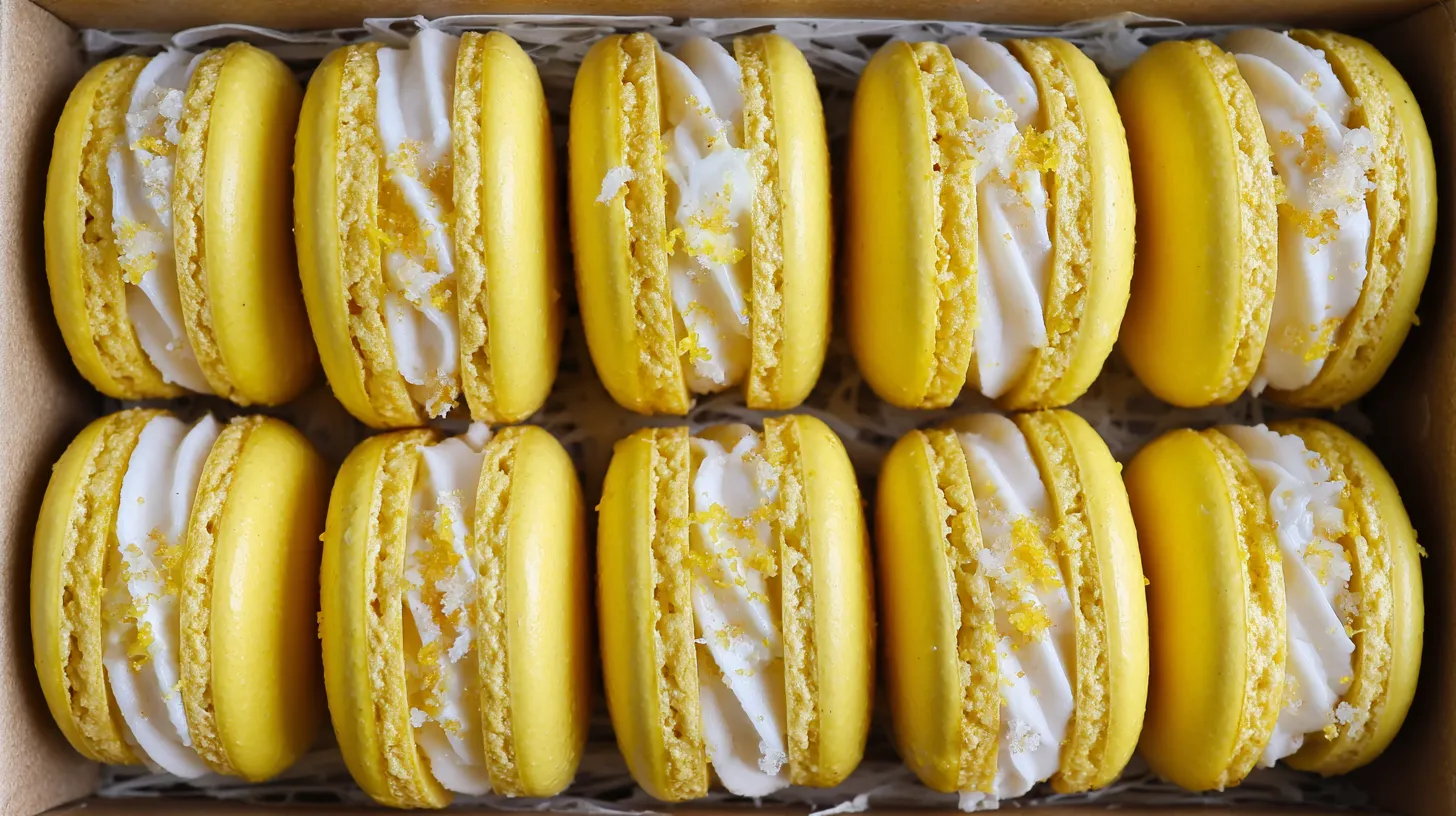
The texture of lemon macarons is what makes them stand out. The outer shell is smooth and crisp, while the inside remains soft and slightly chewy. When paired with a lemon cream cheese filling or a lemon macaron frosting, the final bite becomes layered and complex with richness and tang. This type of macaron fits beautifully into the world of flavored macarons, competing with classic French macaron varieties like raspberry, pistachio, and chocolate. For summer macarons and other seasonal dessert boards, lemon macarons bring brightness and color, often styled as yellow macarons on marble surfaces or within a lemon baking aesthetic for photography and presentation.
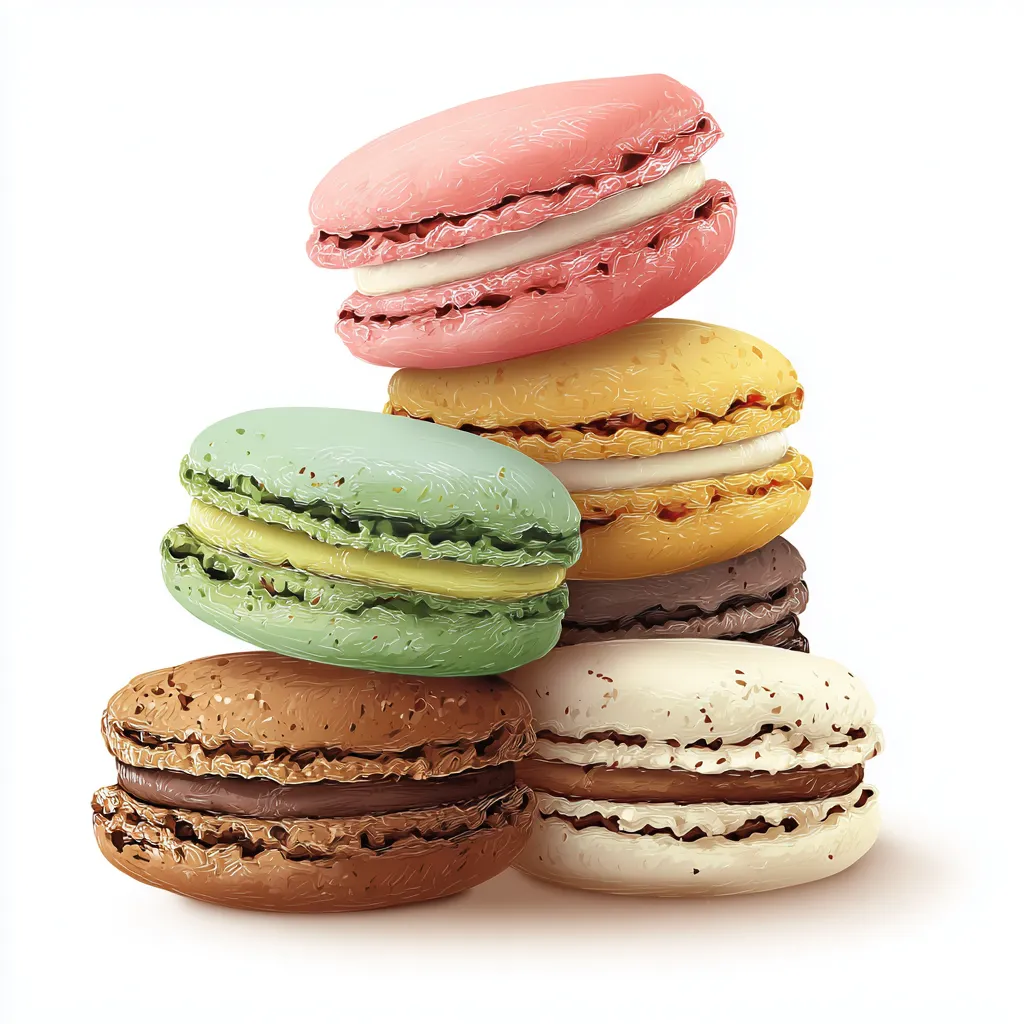
Part of the charm of lemon macarons comes from how easily they adapt to different taste profiles. They can be combined with poppy seeds for lemon poppyseed macarons, infused with tea for Earl Grey and lemon macarons, or paired with fruit curds and cream to create a bakery-quality finish. These variations work well for showers, weddings, summer holidays, and any event that benefits from aesthetic macarons arranged on tiered stands, pastry boards, or dessert buffets.
Macarons are not to be confused with macaroons, but it is common for people to search for macaroons lemon or macaron recipes with lemon cream when they mean the French version. Regardless of naming differences, lemon macarons remain one of the best macarons for those who appreciate desserts that combine sophistication, flavor, aroma, and visual appeal. They highlight the beauty of lemon desserts aesthetic trends that are popular in pastry shops, social media, and cookbooks, making them a valuable addition to any baker’s repertoire.
Why You’ll Love This Recipe
Lemon macarons bring multiple culinary advantages that go beyond taste. The shells are naturally gluten free due to the almond flour, making them suitable for a variety of guests. The filling choices are flexible and allow either a richer cream cheese filling for macarons, a butter-based lemon macaron frosting, or a lighter lemon curd interior. Each filling produces a different flavor profile and mouthfeel, allowing bakers to customize the dessert according to the occasion.
Lemon macarons are also highly photogenic. Their bright yellow color, sleek smooth tops, and defined feet make them ideal for sharing and plating. They are often considered the best macarons for gifting because they store well, travel well, and look impressive packed into bakery boxes or glass jars. For bakers looking to elevate their pastry skills, learning how to make lemon macarons also builds competencies that translate well into other flavored macarons recipe categories. Once the technique is mastered, it opens the door to dozens of variations that incorporate fruits, chocolates, teas, herbs, and spices.
These macarons are also flavorful without being heavy. They work well for summer tables, afternoon teas, brunches, and events that benefit from lighter desserts. Lemon macarons are perfect for breakfast luncheon ideas, bridal brunches, dessert samplers, and even as small sweet bites after a savory meal. Their clean citrus notes make them a favorite among guests who prefer desserts that are not overly sugary or dense.

Preparation and Cooking Time
Macarons require precision and control in timing, resting, and oven management. The resting stage allows the shells to form a skin that leads to the iconic macaron feet during baking.
Ingredients
Shells
Filling

Substitution Notes
Step-by-Step Instructions
Step 1: Prepare the Dry Ingredients
Combine the almond flour and powdered sugar in a bowl. Sift the mixture to remove coarse particles. Repeat sifting for a fine texture. Sifting ensures a smooth macaron shell and prevents lumpy batter.
Step 2: Whip the Egg Whites
Place egg whites in a clean bowl and begin whisking. When the whites become foamy, gradually add granulated sugar. Continue whipping until stiff peaks form. The meringue should be glossy and stable.
Step 3: Add Color and Flavor
Add the lemon zest and a small amount of yellow gel food coloring. Fold gently to incorporate. The color will lighten during mixing and baking, so add enough to maintain vibrancy.
Step 4: Fold the Batter
Add the sifted dry mixture into the meringue in two additions. Fold slowly by scraping around the bowl and cutting through the center. Continue folding until the batter flows like thick magma. When dropped from a spatula, it should ribbon smoothly and settle within several seconds.
Step 5: Pipe the Shells
Transfer the batter into a piping bag fitted with a round tip. Pipe even circles onto lined baking trays. Tap trays lightly to release air bubbles. Pop visible bubbles with a toothpick to prevent hollow shells.
Step 6: Dry the Shells
Allow the shells to rest at room temperature until the tops no longer feel sticky to the touch. This drying phase creates the skin that forms macaron feet during baking.
Step 7: Bake the Shells
Preheat the oven to 300°F. Bake one tray at a time for 12 to 15 minutes. The shells should lift easily from the parchment when done. Cool completely before filling.
Step 8: Prepare the Filling
Beat the cream cheese and butter until smooth. Add powdered sugar, lemon zest, and lemon juice. Mix until creamy. The filling should be soft but pipeable and hold its shape.
Step 9: Assemble the Macarons
Match shells by size. Pipe the filling onto half of the shells and top with the remaining shells to form sandwiches. Press gently to spread the filling evenly to the edges.
Step 10: Mature the Macarons
Place filled macarons in an airtight container and refrigerate overnight. Maturing allows the shells to absorb moisture from the filling, improving texture and flavor.
How to Serve
Lemon macarons are best served chilled or slightly tempered. Arrange them on pastry boards, tiered dessert stands, or marble surfaces for a lemon desserts aesthetic presentation. They pair well with tea, sparkling beverages, fruit salads, and light lunch menus. For summer events, lemon macarons enhance dessert tables with their bright color and refined appearance. They also complement other flavored macarons such as Earl Grey and lemon macarons, raspberry macarons, and pistachio macarons for a more varied assortment.

Additional Tips
Recipe Variations
Freezing and Storage
Nutritional Information (Approximate per macaron)
Values vary depending on filling type and size.
Final Words
Lemon macarons highlight the elegance of French pastry technique while offering a refreshing citrus twist that appeals to modern dessert tastes. They offer a clean and balanced flavor profile that feels light, sophisticated, and adaptable to various filling choices. They also complement many seasonal menus, especially in warmer months when bright flavors are most welcome.
For bakers who want to explore flavored macarons recipes or expand beyond traditional fillings, lemon macarons provide a reliable starting point. Their acidic notes play well with cheese based fillings, buttercreams, and curds. Their visual appeal makes them ideal for gifting and presentation, especially within a lemon baking aesthetic or summer dessert spread.
Incorporating these macarons into dessert boards or pastry boxes adds color and texture variety without overwhelming sweetness. They are versatile enough for brunch, showers, tea service, and formal receptions. They stand out not only for their taste but for their ability to elevate the atmosphere of a meal or event.
Above all, lemon macarons teach valuable pastry skills while providing a dessert worth sharing. Once mastered, these techniques unlock endless possibilities for exploration, giving home bakers the confidence to create the best macarons and experiment with new ingredients, flavors, and decorative ideas. Lemon macarons prove that refinement and simplicity can coexist beautifully in the world of baking.
FAQ’s

Lemon Macarons: A Bright and Elegant French Treat
24
servings35
minutes20
minutes90
kcalIngredients
- Shells
120 g almond flour
120 g powdered sugar
100 g egg whites at room temperature (aged if possible)
100 g granulated sugar
A few drops yellow gel food coloring
1 teaspoon lemon zest
- Filling
115 g cream cheese softened
115 g unsalted butter softened
240 g powdered sugar
2 tablespoons lemon juice
1 teaspoon lemon zest
Directions
- Combine the almond flour and powdered sugar in a bowl. Sift the mixture to remove coarse particles. Repeat sifting for a fine texture. Sifting ensures a smooth macaron shell and prevents lumpy batter.
- Place egg whites in a clean bowl and begin whisking. When the whites become foamy, gradually add granulated sugar. Continue whipping until stiff peaks form. The meringue should be glossy and stable.
- Add the lemon zest and a small amount of yellow gel food coloring. Fold gently to incorporate. The color will lighten during mixing and baking, so add enough to maintain vibrancy.
- Add the sifted dry mixture into the meringue in two additions. Fold slowly by scraping around the bowl and cutting through the center. Continue folding until the batter flows like thick magma. When dropped from a spatula, it should ribbon smoothly and settle within several seconds.
- Transfer the batter into a piping bag fitted with a round tip. Pipe even circles onto lined baking trays. Tap trays lightly to release air bubbles. Pop visible bubbles with a toothpick to prevent hollow shells.
- Allow the shells to rest at room temperature until the tops no longer feel sticky to the touch. This drying phase creates the skin that forms macaron feet during baking.
- Preheat the oven to 300°F. Bake one tray at a time for 12 to 15 minutes. The shells should lift easily from the parchment when done. Cool completely before filling.
- Beat the cream cheese and butter until smooth. Add powdered sugar, lemon zest, and lemon juice. Mix until creamy. The filling should be soft but pipeable and hold its shape.
- Match shells by size. Pipe the filling onto half of the shells and top with the remaining shells to form sandwiches. Press gently to spread the filling evenly to the edges.
- Place filled macarons in an airtight container and refrigerate overnight. Maturing allows the shells to absorb moisture from the filling, improving texture and flavor.
Notes
- Egg whites whip more consistently when aged for at least 24 hours in the refrigerator.
- Silicone mats provide better shape consistency than parchment.
- Macarons develop better texture when matured for at least 24 hours before serving.
- Humidity can interfere with drying and baking, so use climate control when possible.
- Shells can be flavored with teas, citrus oils, or floral extracts for complexity.