

Paneer Paratha – Best and Flavored Homemade Paneer Paratha
Introduction to Paneer Paratha
Paneer paratha is one of those dishes that feels both comforting and satisfying from the very first bite. It combines soft, whole wheat dough with a rich, flavorful filling made from crumbled paneer, onions, herbs, and spices. When cooked properly, the outside turns golden and slightly crisp, while the inside stays soft, warm, and packed with savory goodness. The taste is balanced, mildly spiced, slightly tangy, and deeply satisfying, especially when paired with chutney, yogurt, or a touch of butter.
What makes paneer paratha stand out is its versatility. It can be enjoyed for breakfast, lunch, or even dinner. It fits beautifully into everyday meals yet feels special enough to serve to guests. Whether you are preparing a quick homemade paneer paratha for your family or styling a cheese paratha on a plate for paratha photography, this dish always delivers. The addition of onion gives it the character of a paneer onion stuffed paratha recipe, bringing a subtle sweetness and crunch that enhances the filling.
Why You’ll Love This Recipe
This paneer paratha recipe focuses on balance and technique rather than shortcuts. The dough is soft but not sticky, allowing easy rolling without tearing. The filling is seasoned just enough to highlight the natural richness of paneer without overpowering it. Unlike many recipes that result in dry or bland stuffing, this one keeps the filling moist and flavorful.
Another reason this homemade paneer paratha works so well is the control over heat. Cooking at the right temperature ensures the paratha cooks evenly, giving you a crisp exterior without burning while keeping the inside soft. The use of fresh ingredients like onions, chilies, and herbs transforms it into something more than just a stuffed paratha. It becomes a well-rounded dish that feels complete on its own.
It also adapts easily. Whether you prefer a vegetarian onion paratha style, a spicier paratha with chilies, or a softer version with butter, you can adjust it without compromising the texture or flavor.
Preparation and Cooking Time
Ingredients
For the dough
For the paneer filling
For cooking
Substitution notes
Step-by-Step Instructions
Step 1: Prepare the Dough
In a large mixing bowl, combine whole wheat flour and salt, then gradually add water while mixing to form a soft dough; knead it for about 8 to 10 minutes until smooth and elastic, then add a little oil and knead again briefly before covering it and letting it rest for at least 15 minutes to relax the gluten and make rolling easier.
Step 2: Prepare the Filling
In another bowl, mix crumbled paneer with finely chopped onions, green chilies, coriander leaves, and all the spices, ensuring everything is evenly combined; gently press the mixture together so it holds shape but avoid over-mixing to keep the filling light and not dense.
Step 3: Divide Dough and Filling
After resting, divide the dough into equal-sized balls and do the same with the paneer filling, making sure each portion of filling matches the dough ball size to ensure even stuffing and consistent thickness across all parathas.
Step 4: Stuff the Paratha
Take one dough ball, flatten it slightly, and roll it into a small disc, then place the filling in the center and carefully bring the edges together to seal it completely, ensuring there are no gaps where the filling can escape during rolling.
Step 5: Roll the Paratha
Dust the stuffed dough lightly with flour and gently roll it out into a medium-sized circle using even pressure, making sure not to press too hard so the filling stays evenly distributed and the dough does not tear.
Step 6: Cook the Paratha
Heat a tawa or flat pan on medium heat, place the rolled paratha on it, and cook until small bubbles appear, then flip it and apply ghee or butter on both sides while pressing gently with a spatula until golden brown spots form and the paratha becomes crisp yet soft inside.
Step 7: Repeat and Serve Hot
Repeat the same process with the remaining dough and filling, stacking the cooked paneer paratha in a cloth-lined container to keep them warm and soft until ready to serve.
How to Serve
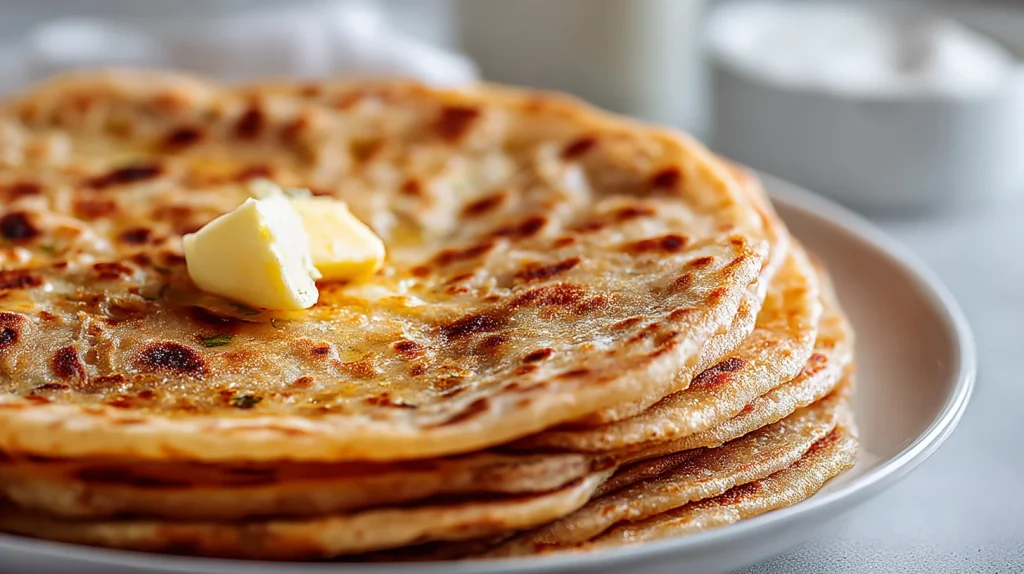
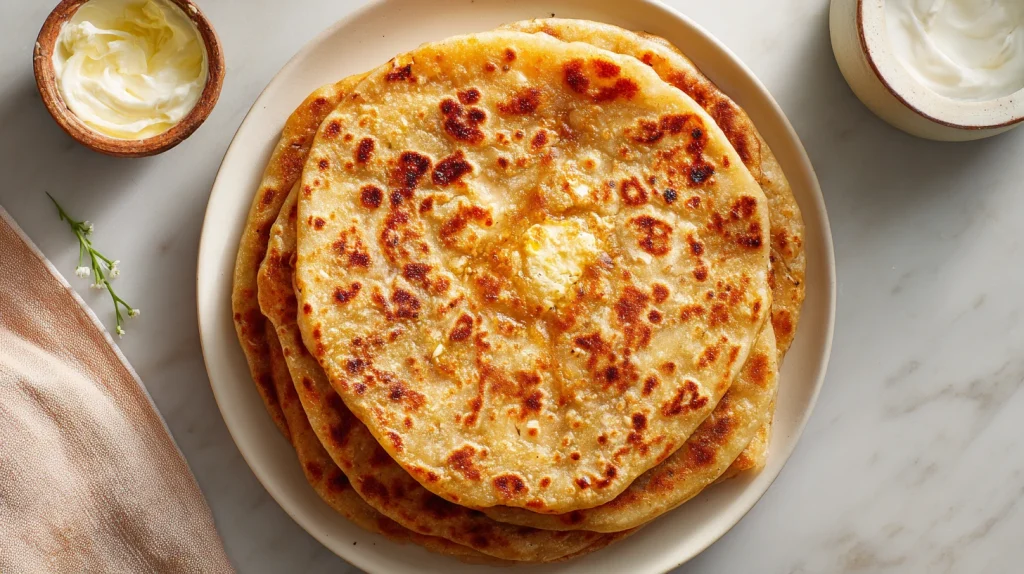
Paneer paratha tastes best when served hot straight off the pan. Place it on a plate, add a small cube of butter on top, and let it melt slightly for a rich finish. Serve it with fresh yogurt, mint chutney, or pickle to enhance the flavors. A stuffed paratha with chutney is a classic pairing that never fails. You can also plate it with sliced onions, green chilies, and lemon wedges for a traditional touch. For a more visual appeal, especially in paratha photography, arrange the paratha neatly, brush lightly with butter, and garnish with fresh coriander to create a beautiful cheese paratha on a plate presentation.
Secret Behind This Recipe
The true secret of a perfect paneer paratha lies in moisture balance. The dough must be soft but not sticky, and the filling must be moist but not wet. If the filling is too dry, the paratha feels crumbly; if it is too wet, it breaks during rolling. Finely chopped onions release moisture, so mixing them just before stuffing prevents sogginess.
Another key is heat control. Cooking on medium heat allows the layers to cook evenly without burning. Pressing gently while cooking ensures even browning and helps the filling heat through properly.
Recipe Variations
Additional Tips
Freezing and Storage
Paneer paratha can be stored in the refrigerator for up to 2 days. Allow them to cool completely before placing them in an airtight container. To reheat, place them on a hot pan and warm both sides until heated through, adding a little butter if needed. For freezing, partially cook the parathas without browning, let them cool, and stack them with parchment paper in between before freezing. When ready to use, cook directly from frozen on a hot pan until fully cooked and golden.
Nutritional Information
Values are approximate per serving and may vary depending on ingredients used
Final Words
Making paneer paratha at home is more than just cooking. It is about understanding texture, balance, and timing. Once you master the basics, you can adapt it in many ways to suit your taste. Whether you enjoy a simple homemade paneer paratha for breakfast or serve a beautifully plated stuffed paratha for guests, this dish always delivers comfort and satisfaction. With practice, your parathas will turn soft, flavorful, and perfectly cooked every time.
FAQs

Paneer Paratha – The Ultimate Homemade Paneer Paratha Guide for Perfect Flavor
Course: Halloween Recipes8
servings25
minutes20
minutes220
kcalIngredients
- For the dough
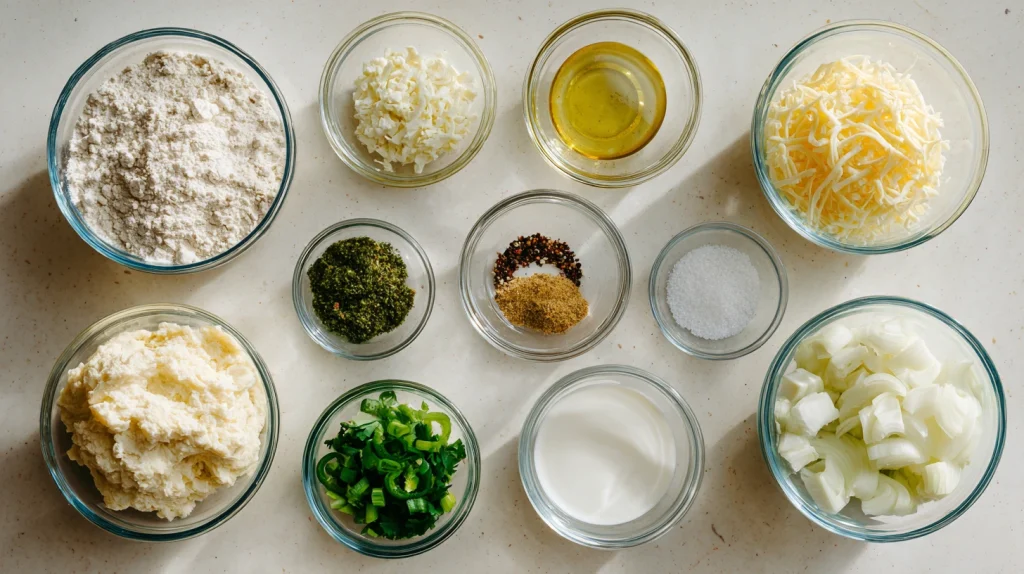
2 cups whole wheat flour
¾ cup water
1 tablespoon oil
½ teaspoon salt
- For the paneer filling
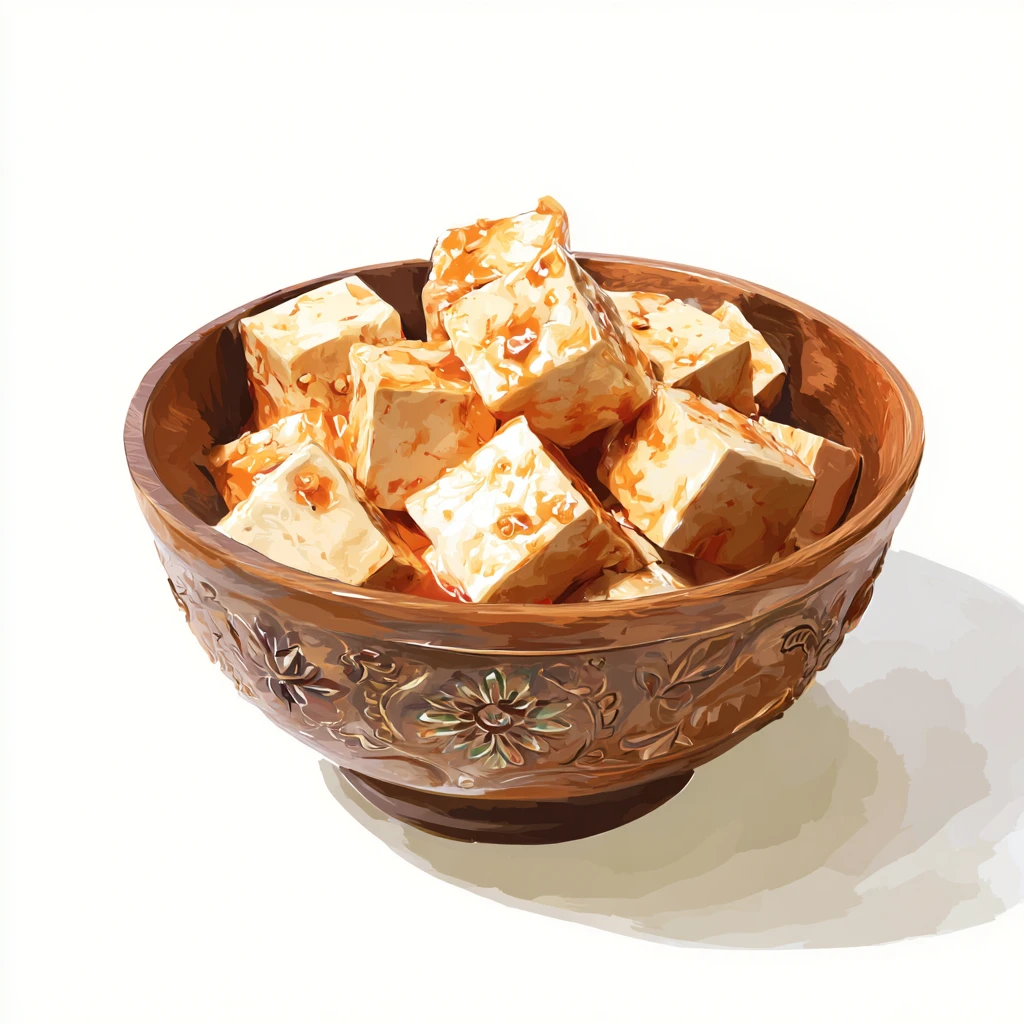
200 grams paneer, crumbled
1 medium onion, finely chopped
2 green chilies, finely chopped
2 tablespoons fresh coriander leaves, chopped
½ teaspoon red chili powder
½ teaspoon garam masala
½ teaspoon cumin powder
½ teaspoon salt or to taste
- For cooking
3 to 4 tablespoons ghee or butter
Directions
- In a large mixing bowl, combine whole wheat flour and salt, then gradually add water while mixing to form a soft dough; knead it for about 8 to 10 minutes until smooth and elastic, then add a little oil and knead again briefly before covering it and letting it rest for at least 15 minutes to relax the gluten and make rolling easier.
- In another bowl, mix crumbled paneer with finely chopped onions, green chilies, coriander leaves, and all the spices, ensuring everything is evenly combined; gently press the mixture together so it holds shape but avoid over-mixing to keep the filling light and not dense.
- After resting, divide the dough into equal-sized balls and do the same with the paneer filling, making sure each portion of filling matches the dough ball size to ensure even stuffing and consistent thickness across all parathas.
- Take one dough ball, flatten it slightly, and roll it into a small disc, then place the filling in the center and carefully bring the edges together to seal it completely, ensuring there are no gaps where the filling can escape during rolling.
- Dust the stuffed dough lightly with flour and gently roll it out into a medium-sized circle using even pressure, making sure not to press too hard so the filling stays evenly distributed and the dough does not tear.
- Heat a tawa or flat pan on medium heat, place the rolled paratha on it, and cook until small bubbles appear, then flip it and apply ghee or butter on both sides while pressing gently with a spatula until golden brown spots form and the paratha becomes crisp yet soft inside.
- Heat a tawa or flat pan on medium heat, place the rolled paratha on it, and cook until small bubbles appear, then flip it and apply ghee or butter on both sides while pressing gently with a spatula until golden brown spots form and the paratha becomes crisp yet soft inside.