
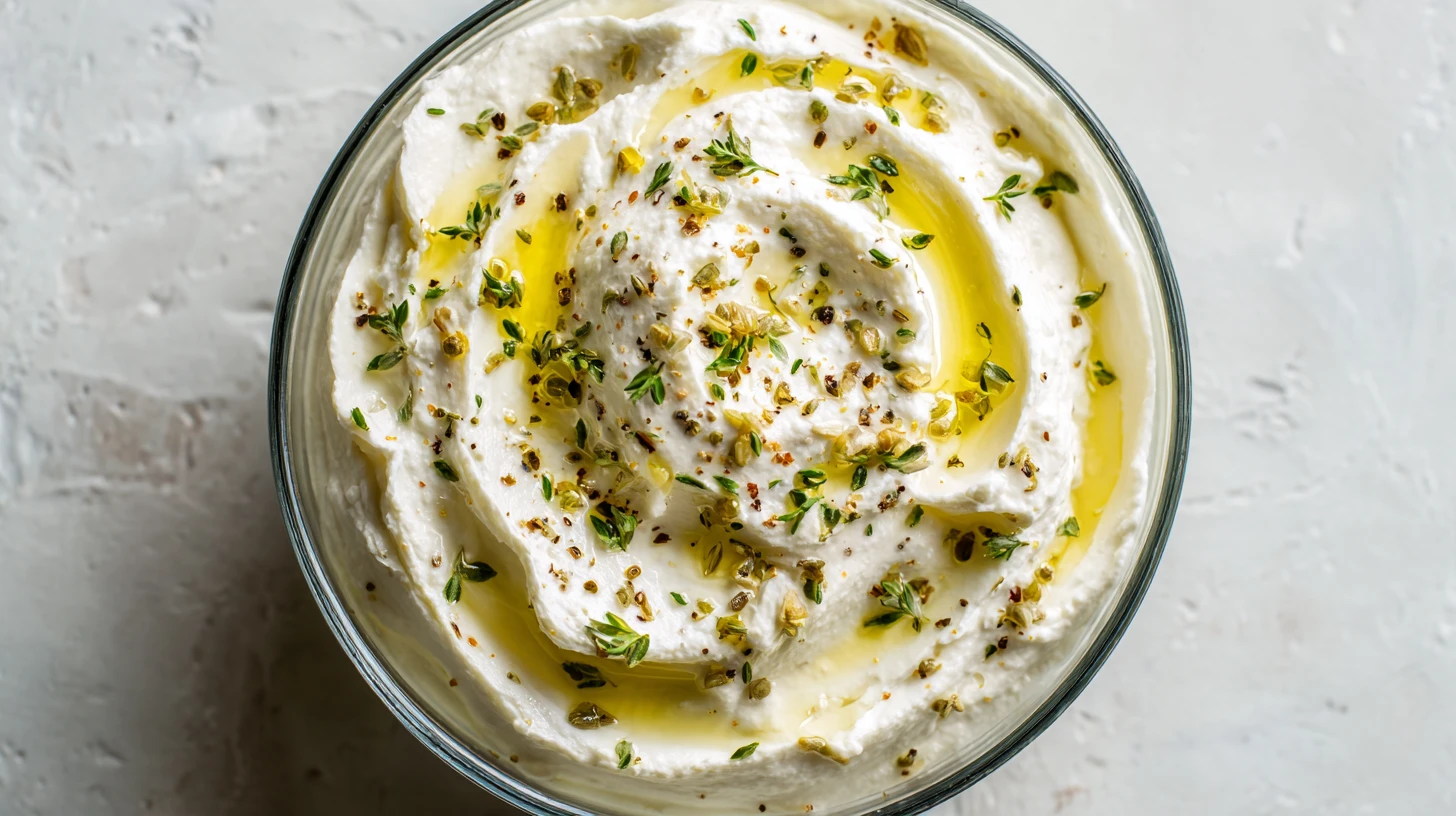
Easy Ricotta Cheese Recipe – Creamy & Fresh Flavor
Ricotta Cheese Recipe
A good ricotta cheese recipe is one of the most rewarding things a home cook can learn because it transforms a few simple ingredients into fresh, creamy cheese with incredible texture and flavor. Homemade ricotta tastes cleaner, softer, and richer than most store-bought versions, and once you try it fresh, it completely changes the way you think about ricotta.
Ricotta cheese is known for its light texture and mild flavor. It feels creamy without being overly heavy, which makes it useful in both savory and sweet dishes. You can spread it on toast, layer it into pasta, spoon it over roasted vegetables, or turn it into dips and desserts. That versatility is one reason people are always searching for recipes that use ricotta.
What makes this ricotta cheese recipe special is the freshness. Warm homemade ricotta has a delicate texture that feels soft and fluffy instead of dense or grainy. It also absorbs herbs, olive oil, spices, and sauces beautifully, making it one of the most flexible ingredients you can keep in your kitchen.
Many people think making cheese at home sounds difficult, but ricotta is actually one of the easiest cheeses to prepare. You do not need complicated equipment or professional training. You only need milk, cream, acid, heat, and patience. This recipe focuses on helping home cooks create reliable homemade ricotta with clear instructions and practical techniques. Small details like milk quality, temperature control, and draining time make a major difference in the final texture. A fresh ricotta cheese dish can feel elegant while still being simple enough for everyday cooking. Whether you are preparing pasta, toast, salads, or healthy snacks, ricotta adds creaminess and richness without overwhelming other ingredients.
Homemade ricotta also fits perfectly into recipes using ricotta cheese healthy because it contains simple ingredients and fresh dairy flavor without unnecessary additives. If you enjoy ricotta healthy recipes or want more ricotta cheese cooking ideas for everyday meals, this ricotta cheese recipe is an excellent place to start.
Why You’ll Love This Recipe
If you enjoy experimenting with herb ricotta recipe ideas or fresh cheese dishes, homemade ricotta opens up endless possibilities in your kitchen.
Preparation and Cooking Time, also serving
Ingredients
Optional Additions
Substitution Notes
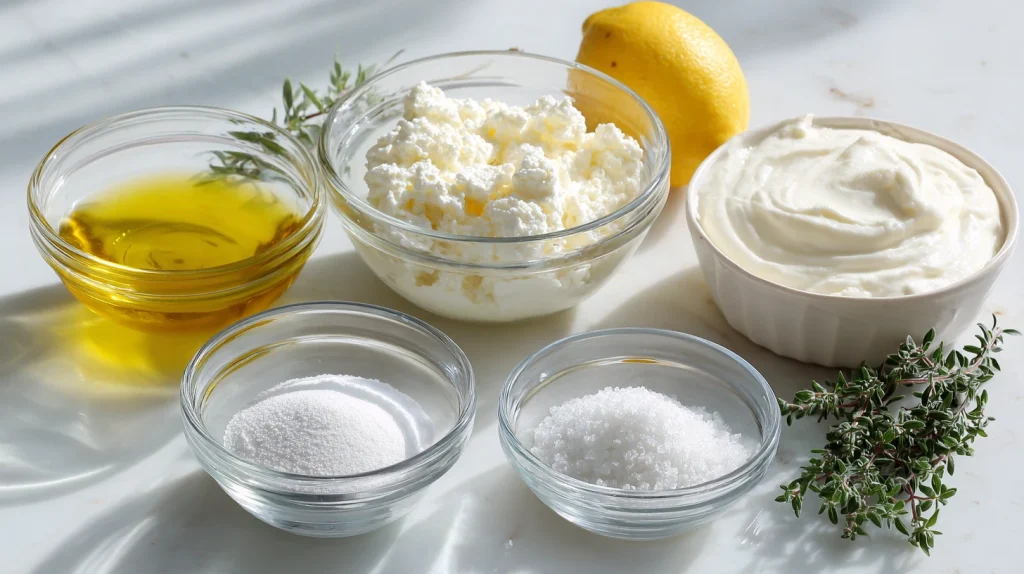
Step-by-Step Instructions

Step 1: Prepare the Pot and Ingredients
Place a large heavy-bottomed pot on the stove. Add the whole milk, heavy cream, and salt. Stir gently to combine everything evenly before heating. Prepare a fine mesh strainer lined with cheesecloth and place it over a large bowl. Having the draining setup ready is important because the curds need to be transferred quickly once formed.
Step 2: Heat the Milk Mixture
Turn the heat to medium and warm the milk mixture slowly. Stir occasionally to prevent scorching on the bottom of the pot. Heat the mixture until it reaches about 190 degrees Fahrenheit. Small bubbles will begin forming around the edges, but the milk should not reach a rolling boil. Careful heating is one of the most important ricotta cheese cooking tips because overheating can create tough curds.
Step 3: Add the Acid
Remove the pot from the heat. Slowly stir in the lemon juice and vinegar. Stir gently for about 10 seconds, then stop stirring completely. Within a minute or two, the milk should separate into soft white curds and pale yellow liquid called whey. Allow the mixture to sit undisturbed for about 10 minutes so the curds can fully develop.
Step 4: Drain the Ricotta
Carefully pour the curds and whey into the prepared cheesecloth-lined strainer. Allow the ricotta to drain naturally for about 20 minutes. For creamier ricotta, drain for less time. For thicker ricotta, drain longer. Do not press the curds aggressively because that can make the texture dense instead of soft and fluffy.
Step 5: Adjust the Texture
Once drained, transfer the ricotta to a clean bowl. Taste and adjust salt if needed. If you prefer extra creaminess, stir in a spoonful of cream or olive oil. Fresh ricotta should feel soft, creamy, and lightly textured.
Step 6: Serve or Store
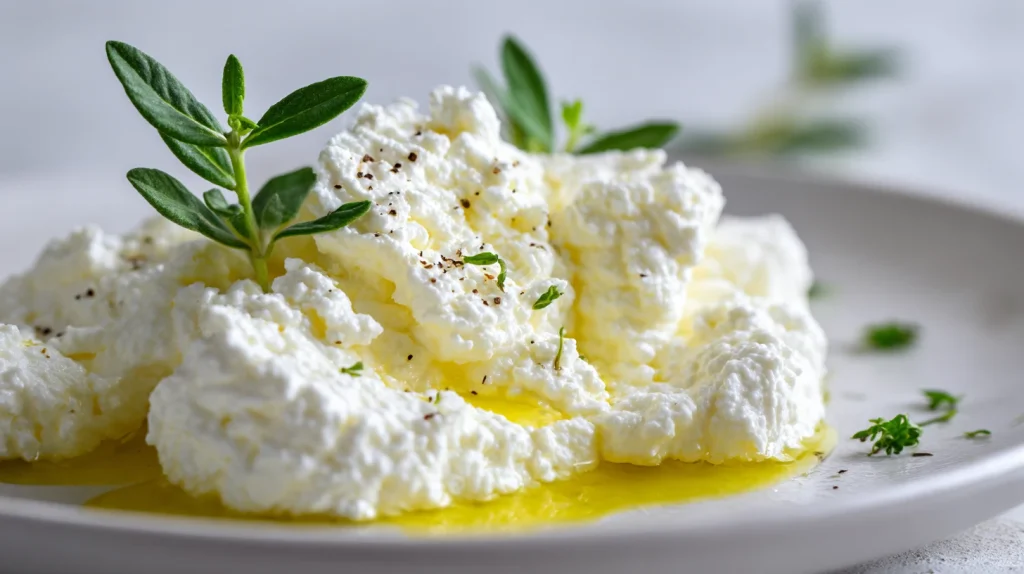
Serve the ricotta warm or chilled depending on how you plan to use it. Fresh homemade ricotta tastes especially good when served immediately with olive oil, herbs, toast, or roasted vegetables.
How to Serve
Ricotta cheese recipe variations can be served in many ways depending on the occasion.
Additional Tips
Recipe Variations
Herb Ricotta Recipe
Mix fresh basil, parsley, thyme, or chives into the ricotta along with olive oil and black pepper.
Sweet Ricotta
Add honey, vanilla, cinnamon, and citrus zest for breakfast or dessert use.
Spicy Ricotta
Mix in chili flakes, roasted garlic, and cracked pepper for extra flavor.
Lemon Ricotta
Add extra lemon zest for bright fresh flavor that pairs well with pasta and vegetables.
Whipped Ricotta
Blend ricotta briefly in a food processor with olive oil until smooth and airy.
Freezing and Storage
Nutritional Information
Approximate values per serving:
Final Words
A homemade ricotta cheese recipe is one of the simplest ways to bring fresh flavor and creamy texture into your kitchen. With only a few ingredients and basic techniques, you can create ricotta that tastes cleaner, softer, and more flavorful than many store-bought options.
Fresh ricotta also opens the door to countless meal ideas. Whether you are exploring healthy ricotta cheese recipes, experimenting with herb ricotta recipe combinations, or searching for what to cook with ricotta cheese, homemade ricotta gives you incredible flexibility. This recipe focuses on careful temperature control, gentle handling, and proper draining because those small details create the soft creamy texture that makes ricotta so enjoyable.
Ricotta also fits naturally into both comforting and healthy meals. It can be spread on toast, folded into pasta, paired with fruit, or served alongside roasted vegetables. That versatility is why recipes that use ricotta remain so popular in home kitchens. Once you make homemade ricotta successfully, you will likely find yourself searching for even more ricotta cheese cooking ideas because the fresh flavor is difficult to replace with packaged versions. Homemade ricotta proves that simple ingredients handled properly can create something deeply satisfying and surprisingly elegant.
FAQs

Easy Ricotta Cheese Recipe – Creamy & Fresh Flavor
Course: Dinner Recipes2 cups
servings10
minutes20
minutes180
kcalIngredients
8 cups whole milk
1 cup heavy cream
1 teaspoon salt
3 tablespoons lemon juice
3 tablespoons white vinegar
- Optional Additions
Fresh chopped herbs
Cracked black pepper
Olive oil
Honey
Red pepper flakes
Directions
- Place a large heavy-bottomed pot on the stove. Add the whole milk, heavy cream, and salt. Stir gently to combine everything evenly before heating. Prepare a fine mesh strainer lined with cheesecloth and place it over a large bowl. Having the draining setup ready is important because the curds need to be transferred quickly once formed.
- Turn the heat to medium and warm the milk mixture slowly. Stir occasionally to prevent scorching on the bottom of the pot. Heat the mixture until it reaches about 190 degrees Fahrenheit. Small bubbles will begin forming around the edges, but the milk should not reach a rolling boil. Careful heating is one of the most important ricotta cheese cooking tips because overheating can create tough curds.
- Remove the pot from the heat. Slowly stir in the lemon juice and vinegar. Stir gently for about 10 seconds, then stop stirring completely. Within a minute or two, the milk should separate into soft white curds and pale yellow liquid called whey. Allow the mixture to sit undisturbed for about 10 minutes so the curds can fully develop.
- Carefully pour the curds and whey into the prepared cheesecloth-lined strainer. Allow the ricotta to drain naturally for about 20 minutes. For creamier ricotta, drain for less time. For thicker ricotta, drain longer. Do not press the curds aggressively because that can make the texture dense instead of soft and fluffy.
- Once drained, transfer the ricotta to a clean bowl. Taste and adjust salt if needed. If you prefer extra creaminess, stir in a spoonful of cream or olive oil. Fresh ricotta should feel soft, creamy, and lightly textured.
- Serve the ricotta warm or chilled depending on how you plan to use it. Fresh homemade ricotta tastes especially good when served immediately with olive oil, herbs, toast, or roasted vegetables.