

Best Sago Pudding Recipe – Easy & Creamy Homemade Dessert
Sago Pudding Recipe
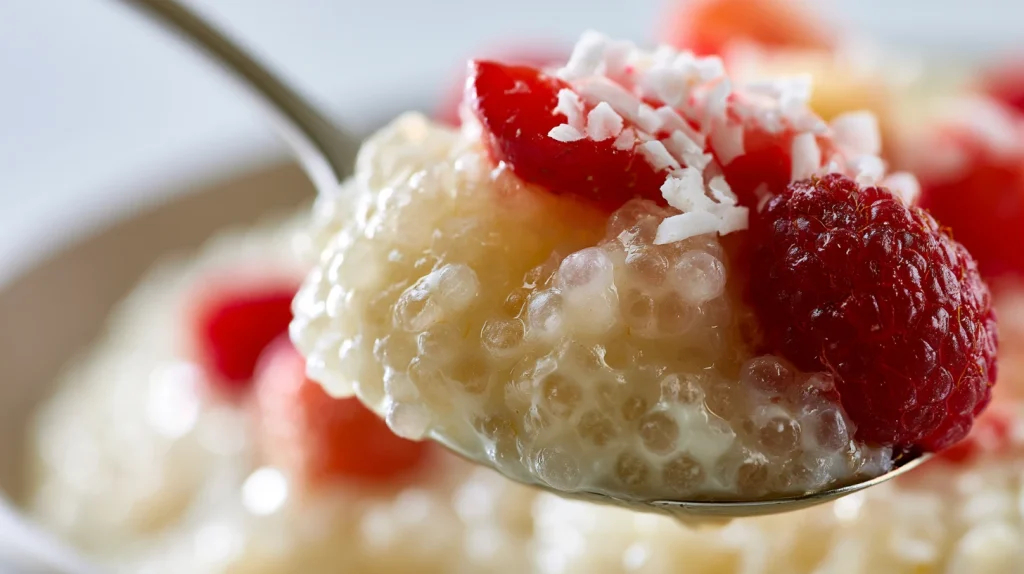
A good sago pudding recipe is the perfect combination of creamy texture, gentle sweetness, and comforting homemade flavor. Made with small sago pearls slowly cooked in milk until soft and translucent, this classic dessert has been enjoyed for generations in many parts of the world. Its smooth consistency and delicate taste make it a favorite dessert that is simple enough for everyday meals while still being special enough to serve during family gatherings and celebrations.
One of the reasons this dessert has remained popular for so many years is its simplicity. A handful of pantry ingredients transform into a rich pudding with very little effort. As the sago pearls cook, they absorb the liquid while becoming tender and slightly chewy, creating a texture that is unique yet incredibly satisfying. The addition of vanilla and a touch of butter gives the finished pudding a rich aroma without overpowering its delicate flavor.
Many home cooks appreciate this recipe because it can be enjoyed warm during cooler months or chilled when you want a refreshing dessert. It is also easy to customize with fruit, spices, sauces, or different toppings, making every batch slightly different while preserving the traditional character of the dish.
If you are wondering How To Make Sago Pudding successfully, the key is patience. Gentle cooking and regular stirring allow the pearls to soften evenly while preventing the milk from scorching. Once you understand the basic method, you will find that this dessert is surprisingly easy to prepare.
Whether you grew up enjoying Mandy’s Old Fashioned Sago Pudding, remember a family member serving Old Fashioned Sago Pudding after Sunday dinner, or are discovering this dessert for the first time, this recipe delivers reliable results. It also works beautifully as a Traditional Sago Pudding Recipe while remaining simple enough for beginners looking for a Simple Sago Pudding. If you have been searching for a Sago Pudding Recipe Easy to follow, a Sago Pudding Recipe South Africa style dessert, or a clear Sago Pudding Recipe In English, this guide walks you through every step with confidence.
Why You’ll Love This Recipe
Preparation and Cooking Time
Ingredients
Optional Garnishes
Substitution Notes
Step by Step Instructions

Step 1: Soak the Sago Pearls
Place the sago pearls in a bowl and cover them with cold water. Allow them to soak for about 30 minutes before draining thoroughly. This soaking step helps the pearls begin absorbing moisture, allowing them to cook more evenly while reducing the overall cooking time.
Step 2: Cook the Sago
Pour the milk into a heavy bottomed saucepan and heat it gently over medium low heat until warm but not boiling. Stir in the drained sago pearls and continue cooking while stirring frequently for about 20 to 25 minutes, allowing the pearls to gradually become soft and mostly translucent without letting the milk stick to the bottom of the pan.
Step 3: Prepare the Egg Mixture
In a separate mixing bowl, whisk together the eggs, sugar, and salt until smooth and fully combined. Slowly add a small amount of the warm milk mixture while whisking continuously, then gradually stir the warmed egg mixture back into the saucepan to create a smooth, creamy pudding without scrambling the eggs.
Step 4: Finish the Pudding
Continue cooking the pudding over low heat while stirring constantly until it thickens enough to coat the back of a spoon. Remove the saucepan from the heat and immediately stir in the butter and vanilla extract, allowing both ingredients to melt completely into the warm pudding for a smooth and rich finish.
Step 5: Cool the Pudding
Transfer the finished pudding into individual serving bowls or one large serving dish and allow it to cool for about 15 to 20 minutes. Stir the pudding once or twice while it cools to help maintain a smooth texture and prevent a thick skin from forming on the surface.
Step 6: Chill or Serve
Serve the pudding warm if you prefer a comforting dessert, or refrigerate it for several hours until thoroughly chilled for a firmer, creamier consistency. Just before serving, add your favorite garnishes such as cinnamon, berries, toasted coconut, or chopped nuts for extra flavor and texture.
How to Serve
Sago pudding recipe is wonderfully versatile and can be served warm for a comforting dessert or chilled for a refreshing treat. Its creamy texture pairs well with a variety of toppings and accompaniments, making it easy to adapt for both casual family meals and special occasions.

Additional Tips
Recipe Variations
Freezing and Storage
Nutritional Information
Approximate values per serving
Final Words
This sago pudding recipe proves that simple pantry ingredients can create a dessert that feels comforting, elegant, and satisfying. The creamy milk, tender sago pearls, and gentle vanilla flavor come together to create a timeless dessert that has remained popular across generations. Whether served warm on a cool evening or chilled during warmer weather, it offers a smooth texture and balanced sweetness that appeals to both children and adults.
If you have been searching for How To Make Sago Pudding with reliable results, this recipe provides a straightforward method that is easy to follow while delivering consistently creamy pudding every time. It captures the comforting character of Mandy’s Old Fashioned Sago Pudding and Old Fashioned Sago Pudding while remaining approachable for modern home cooks.
Whether you are preparing a Traditional Sago Pudding Recipe for family gatherings, trying a Sago Pudding Recipe Easy for your first attempt, exploring a Sago Pudding Recipe South Africa favorite, or simply looking for a clear Sago Pudding Recipe In English, this recipe is one you can return to again and again. With a few simple ingredients and careful cooking, you can create a homemade dessert that is rich in tradition, comforting in flavor, and always worth sharing.
FAQs

Best Sago Pudding Recipe – Easy & Creamy Homemade Dessert
Course: Desserts6
servings10
minutes35
minutes285
kcalIngredients
½ cup small sago pearls
4 cups whole milk
½ cup granulated sugar
2 large eggs
2 tablespoons unsalted butter
1 teaspoon vanilla extract
¼ teaspoon salt
- Optional Garnishes
Ground cinnamon
Fresh berries
Raisins
Toasted coconut
Chopped almonds or pistachios
Whipped cream
Directions
- Place the sago pearls in a bowl and cover them with cold water. Allow them to soak for about 30 minutes before draining thoroughly. This soaking step helps the pearls begin absorbing moisture, allowing them to cook more evenly while reducing the overall cooking time.
- Pour the milk into a heavy bottomed saucepan and heat it gently over medium low heat until warm but not boiling. Stir in the drained sago pearls and continue cooking while stirring frequently for about 20 to 25 minutes, allowing the pearls to gradually become soft and mostly translucent without letting the milk stick to the bottom of the pan.
- In a separate mixing bowl, whisk together the eggs, sugar, and salt until smooth and fully combined. Slowly add a small amount of the warm milk mixture while whisking continuously, then gradually stir the warmed egg mixture back into the saucepan to create a smooth, creamy pudding without scrambling the eggs.
- Continue cooking the pudding over low heat while stirring constantly until it thickens enough to coat the back of a spoon. Remove the saucepan from the heat and immediately stir in the butter and vanilla extract, allowing both ingredients to melt completely into the warm pudding for a smooth and rich finish.
- Transfer the finished pudding into individual serving bowls or one large serving dish and allow it to cool for about 15 to 20 minutes. Stir the pudding once or twice while it cools to help maintain a smooth texture and prevent a thick skin from forming on the surface.
- Serve the pudding warm if you prefer a comforting dessert, or refrigerate it for several hours until thoroughly chilled for a firmer, creamier consistency. Just before serving, add your favorite garnishes such as cinnamon, berries, toasted coconut, or chopped nuts for extra flavor and texture.