

Best Smoked Pork Belly – Juicy & Tender Smoky Perfection
Smoked Pork Belly
Smoked pork belly is one of the most satisfying barbecue dishes you can make at home. It combines rich, juicy meat with deep smoky flavor and a texture that becomes incredibly tender when cooked properly. While pork belly is already known for its rich taste, smoking takes it to another level by slowly rendering the fat and infusing every bite with layers of wood-fired flavor.
Many people think of bacon when they hear pork belly, but smoked pork belly offers a completely different experience. Instead of being cured and sliced thin, the pork belly is cooked low and slow until the meat becomes tender while maintaining its structure. The result is a dish that can be sliced, cubed, or served as the centerpiece of a meal.
One reason smoked pork belly has become so popular is its versatility. It works equally well as a barbecue main course, a sandwich filling, a taco ingredient, or even a topping for rice bowls. Whether you are using a traditional smoker or preparing Traeger Pork Belly on a pellet grill, the cooking process creates flavors that are difficult to achieve through any other method.
Another reason home cooks love smoked pork belly is the balance between tenderness and richness. Properly cooked pork belly develops a buttery texture while the exterior forms a flavorful bark packed with seasonings and smoke. This combination is what makes many Smoked Pork Belly Recipes Smokers enthusiasts return to this dish again and again.
If you enjoy barbecue, experimenting with Pork Belly On Smoker setups is one of the most rewarding cooking projects you can tackle. The ingredients are simple, the process is straightforward, and the final results are impressive enough for family dinners, parties, and special occasions.
Why You’ll Love This Recipe
This smoked pork belly recipe focuses on creating maximum flavor while remaining approachable for home cooks.
Preparation and Cooking Time
Ingredients
Substitution Notes

Step-by-Step Instructions

Step 1: Prepare the Pork Belly
Begin by inspecting the pork belly carefully. Trim any loose pieces of meat or excess fat hanging from the edges. Keeping the pork belly uniform in shape helps it cook more evenly. Pat the pork belly dry using paper towels. Removing surface moisture helps the seasoning adhere properly and promotes better bark development during smoking.
Step 2: Apply the Binder
Spread the yellow mustard evenly across all sides of the pork belly. The mustard acts as a binder that helps the seasoning stick to the meat throughout the smoking process. Do not worry about tasting mustard in the finished dish. The flavor becomes extremely mild during cooking and primarily serves as a seasoning base.
Step 3: Season the Pork Belly
In a bowl, combine kosher salt, brown sugar, black pepper, smoked paprika, garlic powder, onion powder, chili powder, and mustard powder. Apply the seasoning mixture evenly over every surface of the pork belly. Press gently to help the rub adhere. The seasoning layer should be even but not excessively thick. A balanced coating allows the natural flavor of the pork to remain the star of the dish.
Step 4: Dry Brine Overnight
Place the seasoned pork belly on a wire rack positioned over a baking sheet. Transfer it to the refrigerator uncovered for eight to twelve hours. This dry brining period allows the seasoning to penetrate the meat while helping the surface dry slightly. The result is better flavor and improved bark formation during smoking.
Step 5: Prepare the Smoker
Preheat your smoker to 250°F (121°C). Whether you are using a traditional smoker or preparing Traeger Pork Belly on a pellet grill, maintaining a stable cooking temperature is critical. Consistent heat encourages gradual fat rendering and even cooking. Choose a mild wood such as apple, cherry, or pecan for balanced smoke flavor.
Step 6: Place the Pork Belly on the Smoker
Remove the pork belly from the refrigerator and place it directly on the smoker grate. Position the thicker side closer to the primary heat source if your smoker has hot spots. This helps ensure even cooking from end to end. Close the smoker lid and allow the pork belly to cook undisturbed for the first two hours.
Step 7: Maintain Moisture During Smoking
After two hours of smoking, begin lightly spraying the pork belly with apple juice every forty-five minutes. The moisture helps support bark development while preventing the surface from drying excessively. Avoid opening the smoker too frequently. Every time the lid opens, heat escapes and increases cooking time.
Step 8: Continue Smoking Until Tender
Continue smoking the pork belly until it reaches an internal temperature of approximately 195°F to 203°F. More important than the exact temperature is the texture. Insert a probe or skewer into the thickest portion. It should slide in with very little resistance. This stage is where the fat becomes silky and the meat develops the tenderness that makes smoked pork belly so enjoyable.
Step 9: Optional Glaze
If desired, brush the pork belly lightly with your favorite barbecue sauce during the final thirty minutes of smoking. Applying the glaze near the end prevents sugars from burning while adding another layer of flavor. This technique works particularly well for Smoked Pork Belly Recipes Crispy enough to develop a flavorful exterior coating.
Step 10: Rest the Pork Belly
Remove the pork belly from the smoker and place it on a cutting board. Allow it to rest for at least twenty minutes before slicing. Resting helps redistribute juices throughout the meat and improves overall texture.
Step 11: Slice and Serve
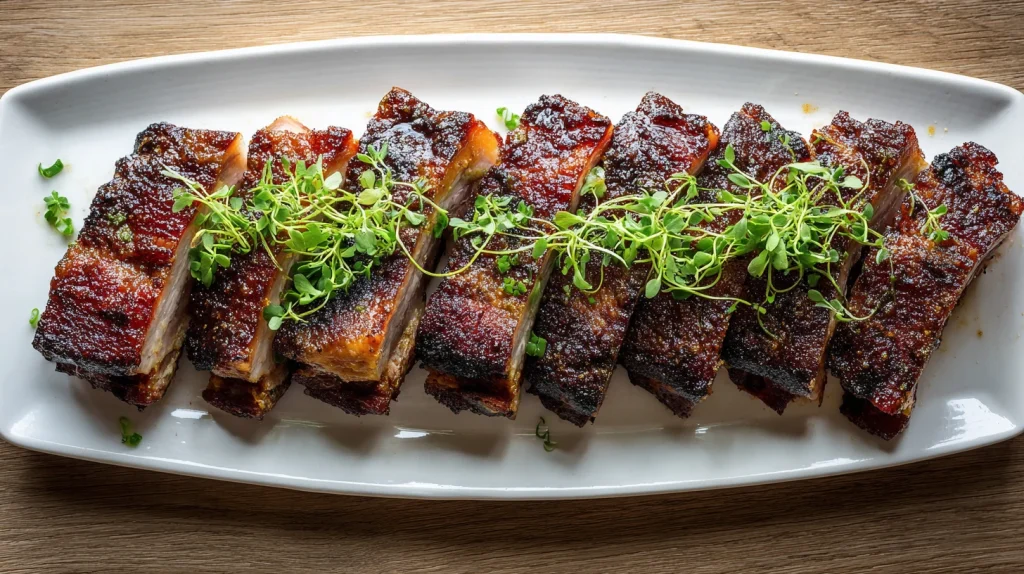
Using a sharp knife, slice the smoked pork belly into thick pieces. Each slice should showcase a dark flavorful bark, a tender meat layer, and beautifully rendered fat. Serve immediately while warm for the best eating experience.
How to Serve
Additional Tips
Recipe Variations
Freezing and Storage
Nutritional Information
Approximate values per serving based on 8 servings.
Nutritional values may vary depending on the size of the pork belly, trimming, seasoning choices, and serving portions.
Final Words
Making smoked pork belly at home is one of the most rewarding barbecue projects you can undertake. The combination of rich pork, slow smoke, carefully rendered fat, and flavorful bark creates a dish that delivers restaurant-quality results with surprisingly simple ingredients.
Whether you are preparing Smoker Pork Belly for the first time or looking to improve your favorite Pork Belly Smoker Recipes, patience and attention to detail make all the difference. Taking the time to dry brine, maintain steady temperatures, and allow the pork belly to cook slowly results in exceptional flavor and texture.
One of the greatest advantages of smoked pork belly is its versatility. It can be served as a centerpiece, added to sandwiches, incorporated into tacos, or used in countless creative meals. Home cooks who enjoy experimenting with Pork Belly Recipes Smoked over wood fire will find endless opportunities to customize flavors through different rubs, woods, and sauces.
If you own a pellet grill, preparing Traeger Pork Belly or creating your own Pork Belly Traeger variation becomes a straightforward process that consistently delivers excellent results. Likewise, traditional smokers produce equally impressive outcomes when managed properly.
As you gain confidence, you’ll discover why Smoked Pork Belly Recipes Smokers enthusiasts often consider pork belly one of the best cuts for learning and mastering barbecue techniques. The forgiving nature of the cut, combined with its incredible flavor potential, makes it ideal for both beginners and experienced pitmasters.
The next time you’re planning a barbecue, consider putting Pork Belly On Smoker and experiencing firsthand how simple ingredients and proper technique can create a memorable meal. With the Smoked Pork Belly Cooking Tips in this guide, you’ll have everything needed to produce tender, juicy, flavorful pork belly that family and friends will request again and again.
FAQs

Best Smoked Pork Belly – Juicy & Tender Smoky Perfection
Course: Pork Recipes8
servings20
minutes6
hours680
kcalIngredients
4 pounds pork belly, skin removed
2 tablespoons kosher salt
2 tablespoons brown sugar
1 tablespoon black pepper
2 teaspoons smoked paprika
2 teaspoons garlic powder
1 teaspoon onion powder
1 teaspoon chili powder
1 teaspoon mustard powder
2 tablespoons apple cider vinegar
2 tablespoons yellow mustard
1 cup apple juice
Wood pellets or smoking wood of choice
Directions
- Begin by inspecting the pork belly carefully. Trim any loose pieces of meat or excess fat hanging from the edges. Keeping the pork belly uniform in shape helps it cook more evenly. Pat the pork belly dry using paper towels. Removing surface moisture helps the seasoning adhere properly and promotes better bark development during smoking.
- Spread the yellow mustard evenly across all sides of the pork belly. The mustard acts as a binder that helps the seasoning stick to the meat throughout the smoking process. Do not worry about tasting mustard in the finished dish. The flavor becomes extremely mild during cooking and primarily serves as a seasoning base.
- In a bowl, combine kosher salt, brown sugar, black pepper, smoked paprika, garlic powder, onion powder, chili powder, and mustard powder. Apply the seasoning mixture evenly over every surface of the pork belly. Press gently to help the rub adhere. The seasoning layer should be even but not excessively thick. A balanced coating allows the natural flavor of the pork to remain the star of the dish.
- Place the seasoned pork belly on a wire rack positioned over a baking sheet. Transfer it to the refrigerator uncovered for eight to twelve hours. This dry brining period allows the seasoning to penetrate the meat while helping the surface dry slightly. The result is better flavor and improved bark formation during smoking.
- Preheat your smoker to 250°F (121°C). Whether you are using a traditional smoker or preparing Traeger Pork Belly on a pellet grill, maintaining a stable cooking temperature is critical. Consistent heat encourages gradual fat rendering and even cooking. Choose a mild wood such as apple, cherry, or pecan for balanced smoke flavor.
- Remove the pork belly from the refrigerator and place it directly on the smoker grate. Position the thicker side closer to the primary heat source if your smoker has hot spots. This helps ensure even cooking from end to end. Close the smoker lid and allow the pork belly to cook undisturbed for the first two hours.
- After two hours of smoking, begin lightly spraying the pork belly with apple juice every forty-five minutes. The moisture helps support bark development while preventing the surface from drying excessively. Avoid opening the smoker too frequently. Every time the lid opens, heat escapes and increases cooking time.
- Continue smoking the pork belly until it reaches an internal temperature of approximately 195°F to 203°F. More important than the exact temperature is the texture. Insert a probe or skewer into the thickest portion. It should slide in with very little resistance. This stage is where the fat becomes silky and the meat develops the tenderness that makes smoked pork belly so enjoyable.
- If desired, brush the pork belly lightly with your favorite barbecue sauce during the final thirty minutes of smoking. Applying the glaze near the end prevents sugars from burning while adding another layer of flavor. This technique works particularly well for Smoked Pork Belly Recipes Crispy enough to develop a flavorful exterior coating.
- Remove the pork belly from the smoker and place it on a cutting board. Allow it to rest for at least twenty minutes before slicing. Resting helps redistribute juices throughout the meat and improves overall texture.
- Using a sharp knife, slice the smoked pork belly into thick pieces. Each slice should showcase a dark flavorful bark, a tender meat layer, and beautifully rendered fat. Serve immediately while warm for the best eating experience.