

Swiss Buttercream Frosting – Silky & Creamy Frosting
Swiss Buttercream Frosting
Swiss buttercream frosting is a classic, silky, and elegant icing that elevates any cake into a bakery-quality dessert. Unlike traditional buttercream, Swiss buttercream is light, smooth, and less sweet, allowing the flavor of your cake to shine through while still providing a luxurious texture. It has a glossy finish, spreads easily, and holds its shape beautifully, making it ideal for piping rosettes, borders, and elaborate cake designs.
What makes Swiss buttercream frosting special is the technique behind it. The egg whites are gently heated with sugar before whipping into a glossy meringue, then softened butter is incorporated, resulting in a smooth, airy, and creamy frosting. The texture is neither grainy nor heavy, and the frosting has a subtle, delicate sweetness that pairs perfectly with everything from simple vanilla cakes to rich chocolate or fruit-based desserts.
People love Swiss buttercream because it strikes the perfect balance between taste, texture, and versatility. It spreads without tearing cakes, pipes cleanly, and can be flavored with vanilla, cocoa, fruit purees, or even coffee, making it a favorite among home bakers and professional pastry chefs alike. Whether you are creating a birthday cake, wedding cake, or just an everyday treat, this frosting adds a polished, professional touch.
Why You’ll Love This Recipe
This Swiss buttercream recipe is designed for home bakers to achieve smooth, luscious results every time.
First, it uses a straightforward method that ensures the egg whites are safely cooked over a gentle heat while creating a stable meringue. This step guarantees a silky texture without risk of curdling.
Second, the frosting is versatile. Once mastered, it serves as a base for endless variations such as vanilla bean Swiss buttercream, coconut Swiss meringue buttercream, or cream cheese meringue frosting. It’s compatible with almost any cake type, from sponge and chiffon to chocolate or carrot cakes.
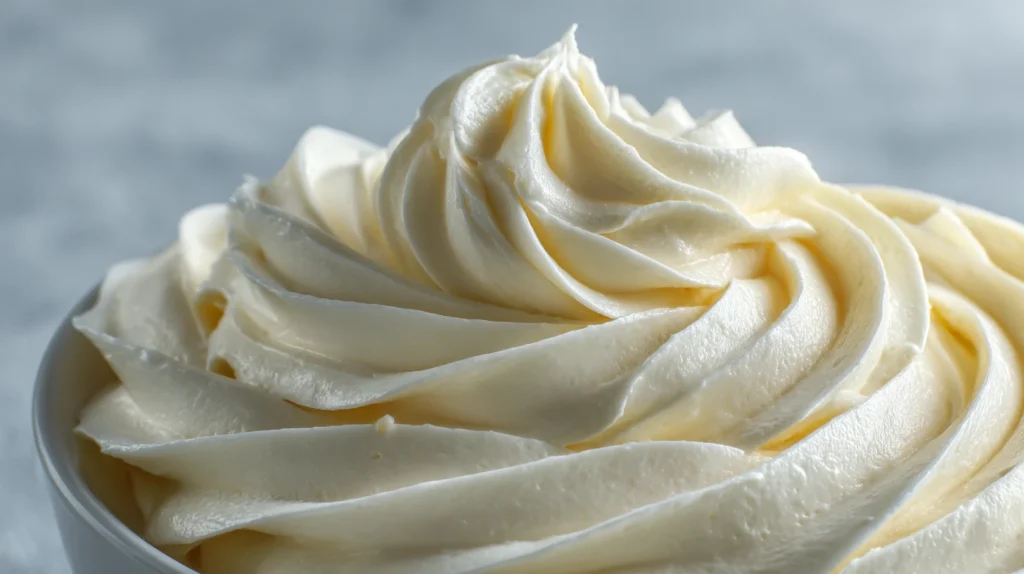
Third, the consistency is forgiving. Whether you are spreading it with an offset spatula, piping elegant borders, or building multi-tiered cakes, Swiss buttercream frosting holds its shape and resists sagging or melting.
Finally, the flavor is refined. Unlike overly sweet buttercreams, this frosting is delicately sweet with a creamy richness that enhances rather than overwhelms your cake. It’s an ideal frosting for bakers seeking professional results with approachable techniques, including those following still busy baking schedules or seeking quick Swiss meringue buttercream options.
Preparation and Cooking Time
This timing makes Swiss buttercream frosting manageable for both weekend bakers and those creating special occasion desserts.
Ingredients
Optional Flavors:
Substitution Notes
Butter can be replaced with vegan butter for a dairy-free variation. Sugar can be fine granulated or caster sugar for faster dissolving. Vanilla extract may be substituted with vanilla bean paste for a more intense flavor. Egg whites can be replaced with aquafaba for a vegan Swiss meringue frosting alternative.
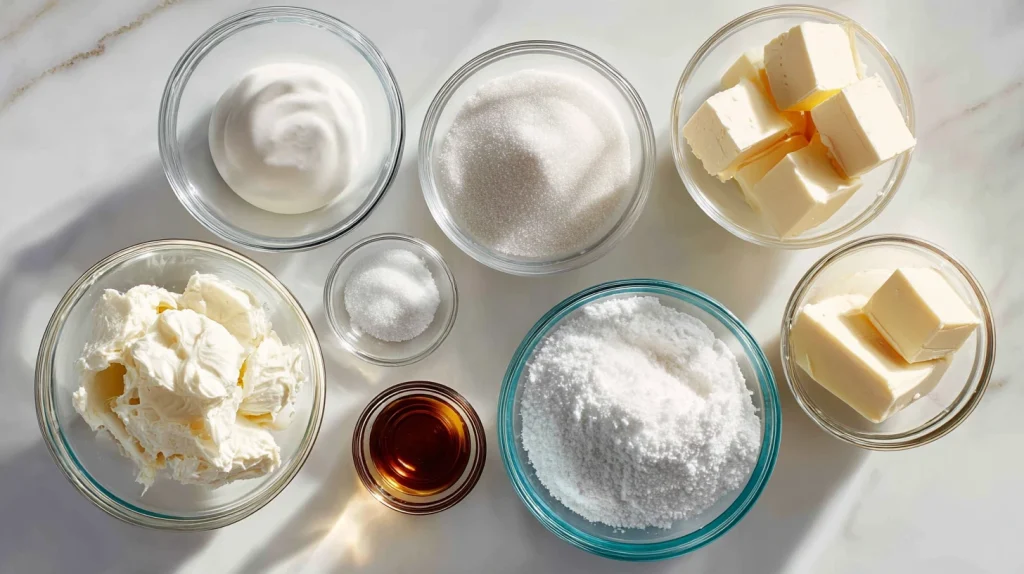
Step-by-Step Instructions
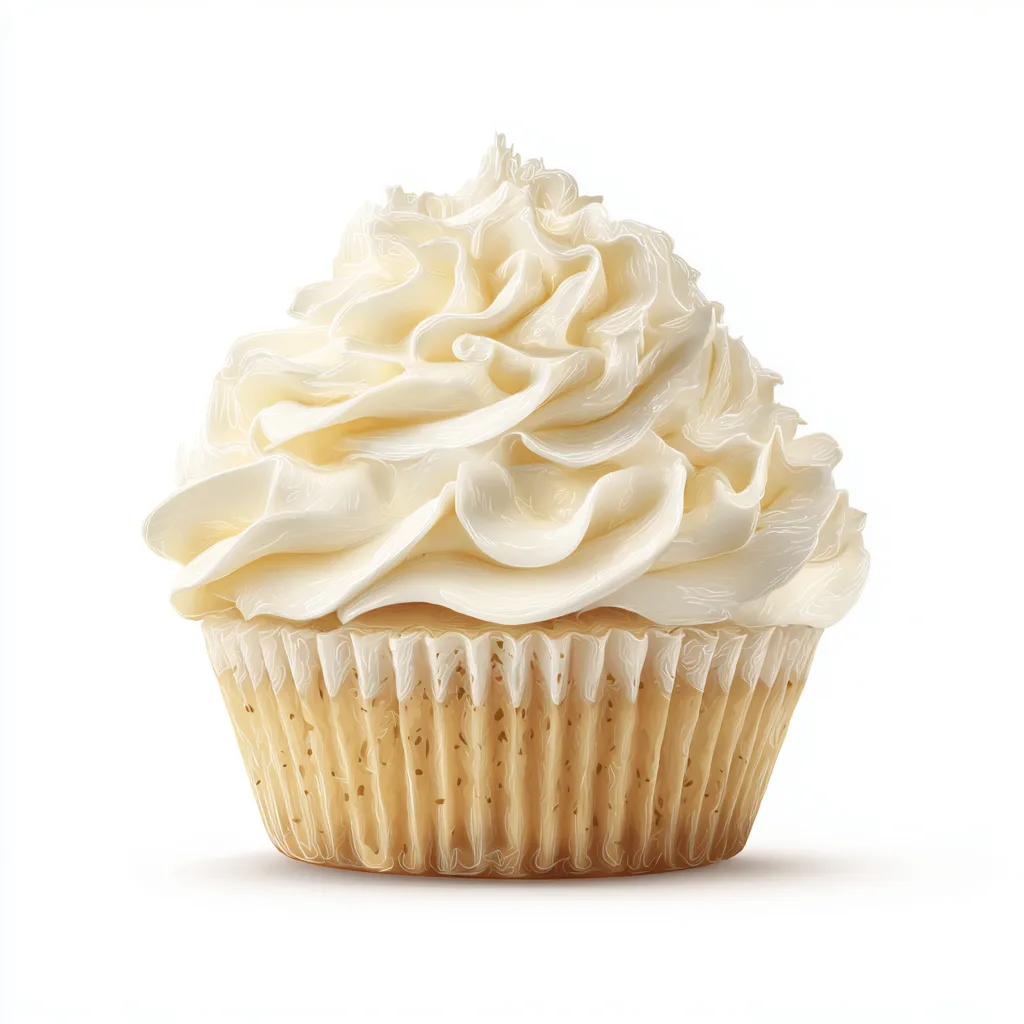
Step 1: Prepare a Heatproof Bowl
Place the egg whites and sugar in a large, heatproof mixing bowl. Ensure the bowl is clean and free of any grease, as this is essential for creating a stable meringue.
Step 2: Heat the Egg Whites
Set the bowl over a pot of simmering water to create a double boiler. Make sure the bottom of the bowl does not touch the water. Stir continuously until the sugar dissolves and the egg whites reach 70°C (160°F) on a candy thermometer. The mixture should feel smooth between your fingers without any sugar grains.
Step 3: Whip the Meringue
Transfer the heated egg whites to a stand mixer fitted with the whisk attachment or use a hand mixer. Whip on high speed until stiff peaks form and the bowl is no longer warm, approximately 5 to 8 minutes. The meringue should be glossy, smooth, and hold peaks without collapsing.
Step 4: Add Butter Gradually
Reduce the mixer speed to medium and add the softened butter, a few cubes at a time. Beat well after each addition to incorporate fully. The mixture may look curdled at first but will smooth out as the butter blends completely. Continue adding all butter cubes until the frosting is silky and homogeneous.
Step 5: Add Flavorings
Add vanilla extract, or other flavorings like cocoa powder, coconut extract, or fruit puree. Beat until fully combined. Taste and adjust flavor as needed. The frosting should be smooth, creamy, and spreadable.
Step 6: Adjust Consistency
If the frosting is too soft, chill briefly for 5 to 10 minutes and then re-whip until spreadable. If it is too firm, beat in a small tablespoon of room-temperature milk to soften.
Step 7: Frost Your Cake
Use an offset spatula to spread the Swiss buttercream frosting evenly over cooled cakes. For piping, fill a piping bag with your desired tip and create borders, rosettes, or other decorative patterns. The frosting holds shape beautifully and glides smoothly.
How to Serve
Swiss buttercream frosting enhances both simple and elaborate cakes. Serve a classic two-layer vanilla cake with a generous coating of vanilla Swiss meringue buttercream. Pair chocolate Swiss buttercream with chocolate sponge or mocha cakes. Decorate with fresh berries, edible flowers, or chocolate shavings for a polished presentation.
For special occasions like weddings, birthdays, or holidays, use piping techniques to create rosettes, ruffles, or elegant borders. The frosting also spreads smoothly for a flawless finish suitable for tiered cakes.
Secret Behind This Recipe
The secret to perfect Swiss buttercream frosting is gently heating the egg whites with sugar to create a stable, glossy meringue. Whipping at the correct speed and incorporating softened butter gradually ensures a smooth, silky texture without curdling. Proper temperature control and patience yield a luxurious frosting that spreads easily, holds shape, and tastes light despite being rich and creamy.
Recipe Variations
Additional Tips
Freezing and Storage
Nutritional Information
Values may vary depending on the type of butter and flavorings used.
Final Words
Swiss buttercream frosting is more than just an icing; it’s a transformative element that elevates a simple cake into a showstopper. Its silky smooth texture, subtle sweetness, and versatility make it a favorite among professional pastry chefs and home bakers alike. Unlike traditional buttercream, which can be heavy or overly sweet, Swiss buttercream strikes the perfect balance between richness and lightness, allowing the flavors of your cake to shine while providing a luxurious, creamy mouthfeel that feels indulgent but never overwhelming.
Mastering Swiss buttercream frosting opens the door to countless creative possibilities. Once you understand the technique of gently heating egg whites with sugar and incorporating softened butter, you can experiment confidently with flavors like vanilla bean Swiss buttercream, chocolate Swiss buttercream, coconut Swiss meringue buttercream, or even seasonal fruit infusions. This frosting can be adapted to suit any occasion, from everyday cakes and cupcakes to weddings, birthdays, and festive holidays.
The beauty of Swiss buttercream is in its versatility. It spreads effortlessly over cakes for a smooth, flawless finish, pipes elegantly for borders and decorative rosettes, and holds up well for multi-tiered cakes or intricate designs. Whether you are creating a simple single-layer cake for family dinner or building a tiered wedding cake, Swiss buttercream frosting ensures professional results without requiring complicated techniques or hard-to-find ingredients.
FAQs
Swiss Buttercream Frosting – Silky & Creamy Frosting
Course: Desserts8
servings15
minutes10
minutes180
kcalIngredients
4 large egg whites
1 cup granulated sugar
1 1/2 cups (340 g) unsalted butter, softened and cut into cubes
2 teaspoons vanilla extract
- Optional Flavors:
1 tablespoon cocoa powder for chocolate Swiss buttercream
1 teaspoon coconut extract for coconut Swiss meringue buttercream
1 tablespoon fruit puree for naturally flavored frosting
Directions
- Place the egg whites and sugar in a large, heatproof mixing bowl. Ensure the bowl is clean and free of any grease, as this is essential for creating a stable meringue.
- Set the bowl over a pot of simmering water to create a double boiler. Make sure the bottom of the bowl does not touch the water. Stir continuously until the sugar dissolves and the egg whites reach 70°C (160°F) on a candy thermometer. The mixture should feel smooth between your fingers without any sugar grains.
- Transfer the heated egg whites to a stand mixer fitted with the whisk attachment or use a hand mixer. Whip on high speed until stiff peaks form and the bowl is no longer warm, approximately 5 to 8 minutes. The meringue should be glossy, smooth, and hold peaks without collapsing.
- Reduce the mixer speed to medium and add the softened butter, a few cubes at a time. Beat well after each addition to incorporate fully. The mixture may look curdled at first but will smooth out as the butter blends completely. Continue adding all butter cubes until the frosting is silky and homogeneous.
- Add vanilla extract, or other flavorings like cocoa powder, coconut extract, or fruit puree. Beat until fully combined. Taste and adjust flavor as needed. The frosting should be smooth, creamy, and spreadable.
- If the frosting is too soft, chill briefly for 5 to 10 minutes and then re-whip until spreadable. If it is too firm, beat in a small tablespoon of room-temperature milk to soften.
- Use an offset spatula to spread the Swiss buttercream frosting evenly over cooled cakes. For piping, fill a piping bag with your desired tip and create borders, rosettes, or other decorative patterns. The frosting holds shape beautifully and glides smoothly.