
Vegan French Toast – Easy Dairy Free French Toast Ideas
Introduction to Vegan French Toast
Vegan french toast is proof that comfort food does not need eggs or dairy to taste rich, satisfying, and indulgent. This plant based version keeps everything people love about classic french toast while using simple vegan ingredients that are easy to find and even easier to work with. The texture is soft and custardy inside, lightly crisp on the outside, and full of warm, cozy flavor.
What makes vegan french toast special is how adaptable it is. You can keep it simple for a weekday breakfast or dress it up for a weekend brunch. The base recipe is neutral and forgiving, which means you can lean sweet, lightly spiced, or even savory if you want to experiment. For home cooks, that flexibility is a big win.
Flavor wise, vegan french toast tastes gently sweet with notes of vanilla and cinnamon, balanced by the natural toastiness of the bread. When cooked properly, it does not taste like a substitute. It tastes like a well made breakfast dish that happens to be plant based.
People love vegan french toast because it fits into so many lifestyles. It works for vegan foods, dairy free diets, egg free brunch ideas, and even breakfast ideas dairy free gluten free when you choose the right bread. It is comforting, familiar, and deeply satisfying without feeling heavy.
As a chef, I appreciate vegan french toast because it teaches an important lesson. Good cooking is about technique, balance, and understanding ingredients, not about relying on eggs or butter to do the work for you.
Why You’ll Love This Recipe
This vegan french toast recipe is built for real kitchens and real mornings. It does not require specialty tools or complicated steps, yet the results are polished and restaurant worthy.
First, the custard mixture is carefully balanced. Instead of eggs, we use plant milk, starch, and natural flavor boosters to create structure and richness. This gives the bread a creamy interior without becoming soggy or falling apart in the pan.
Second, the cooking method is designed to build flavor gradually. Cooking over moderate heat allows the toast to brown evenly while setting the inside. This is the key difference between flat tasting toast and deeply flavored vegan french toast.
Another reason you will love this recipe is how well it fits into a variety of meals. It works for easy vegan french toast on busy mornings, elegant brunch recipes vegan, and even vegan baked breakfast adaptations when you want to prep ahead.
This recipe also respects your ingredients. It works beautifully with day old bread, which absorbs the custard better and reduces food waste. That makes it practical and thoughtful cooking.
Finally, this vegan french toast is easy to customize. Whether you want vegan french toast breakfast ideas for kids, vegan breakfasts healthy for yourself, or something indulgent for guests, this recipe adapts without losing its core character.
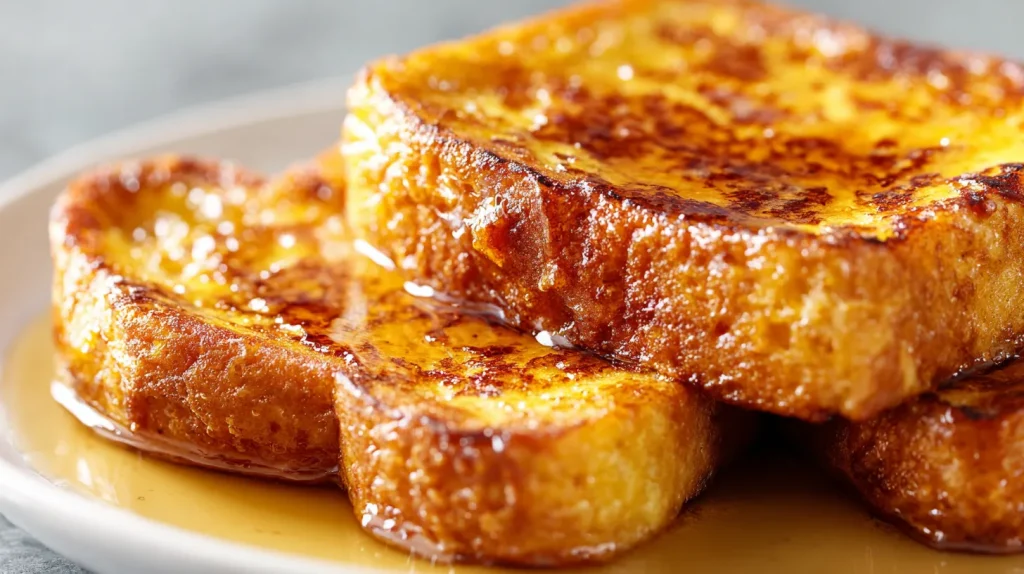
Preparation and Cooking Time
This timing assumes you are cooking in batches on a standard skillet or griddle. If you are using a large flat top or cooking multiple pans at once, the total cooking time may be slightly shorter.
Ingredients
Flavorings
Fat for Cooking
Optional Toppings
Substitution Notes
Step-by-Step Instructions
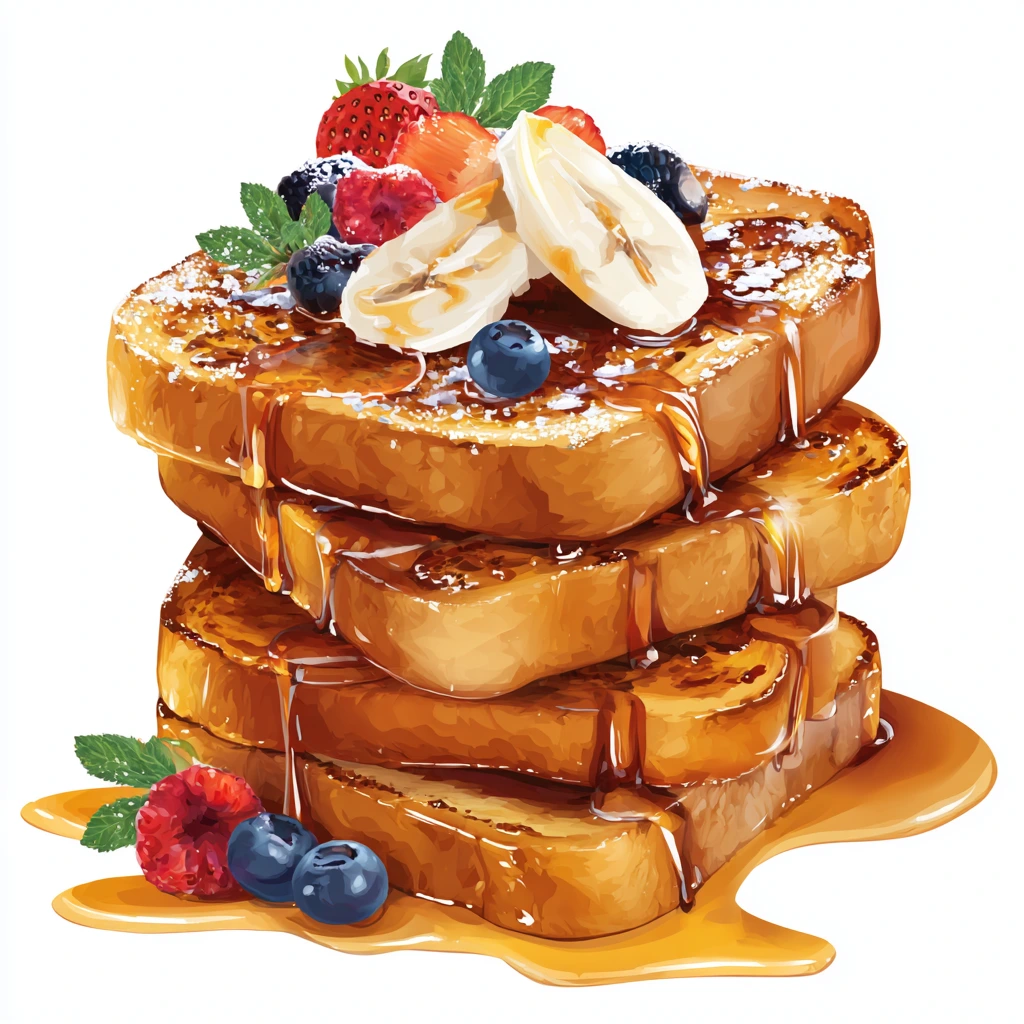
Step 1: Prepare Custard Base
In a wide, shallow bowl, add the plant milk and cornstarch. Whisk until the cornstarch is fully dissolved. Once smooth, whisk in the maple syrup, vanilla extract, cinnamon, nutmeg, and salt. The mixture should look slightly thickened but still pourable. This is the base of your vegan french toast and it should smell warm and inviting.
Step 2: Heat Cooking Surface
Place a large nonstick skillet or griddle over medium heat. Add a small amount of vegan butter or oil and let it melt and coat the surface evenly.
The pan should be hot enough that a drop of custard sizzles gently when it touches the surface. If the pan is too hot, the toast will brown before the inside sets.
Step 3: Dip the Bread Properly
Take one slice of bread and place it into the custard mixture. Let it soak for about 10 seconds per side. The goal is absorption without collapse.
Lift the bread and allow excess custard to drip back into the bowl. This prevents pooling in the pan, which can lead to uneven cooking.
Repeat with as many slices as your pan can comfortably hold without crowding.
Step 4: Cook Until Golden
Place the soaked bread onto the hot pan. Cook for 3 to 4 minutes on the first side until golden brown. Flip gently and cook the second side for another 2 to 3 minutes.
The toast should feel set when pressed lightly in the center and have an even golden color.
Transfer cooked slices to a warm plate and repeat with remaining bread, adding more fat to the pan as needed.
Step 5: Finish and Serve Warm
Serve the vegan french toast immediately while hot. If cooking in batches, keep finished slices warm in a low oven set to 200 degrees Fahrenheit.
How to Serve
Vegan french toast is best served warm and freshly cooked. Presentation matters, even at home.
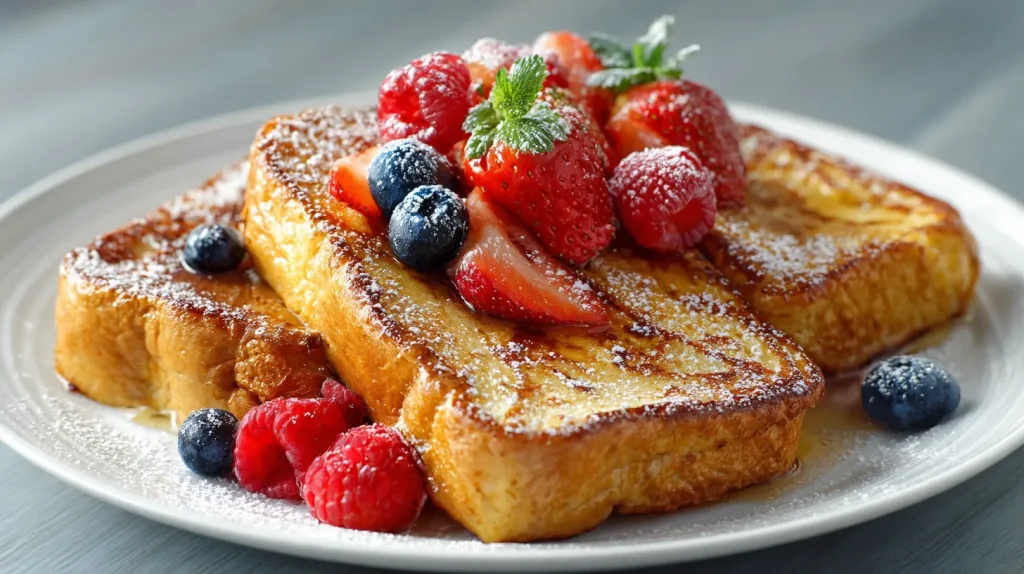
For a classic look, stack two slices slightly offset and dust lightly with powdered sugar. Add a small bowl of maple syrup on the side instead of pouring it directly on top to keep the toast crisp.
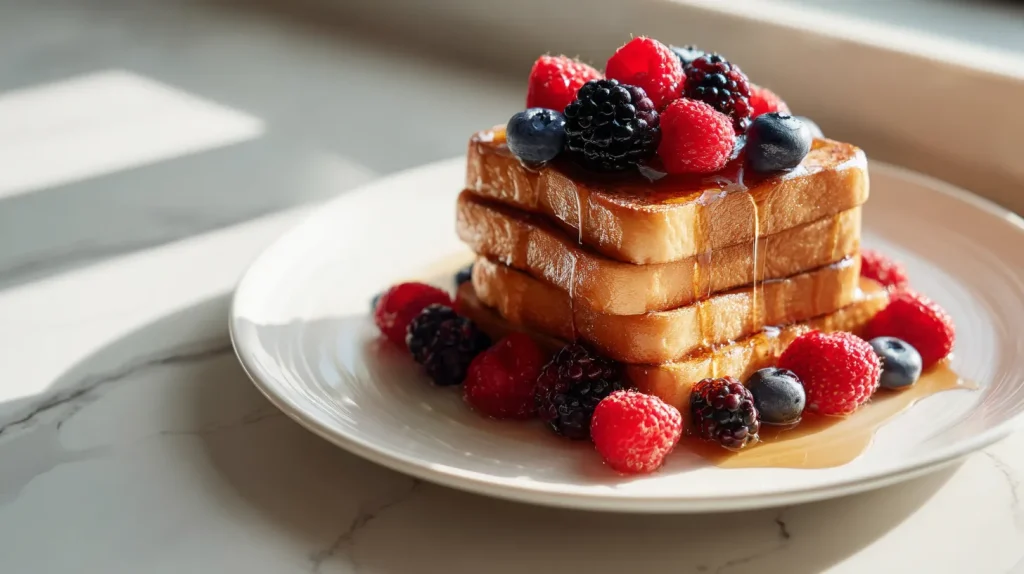
Fresh fruit pairs beautifully. Berries add brightness, sliced bananas add creaminess, and citrus segments add contrast.
For brunch recipes vegan, serve vegan french toast alongside savory items like tofu scramble, roasted potatoes, or sautéed greens. This balance makes the meal feel complete.
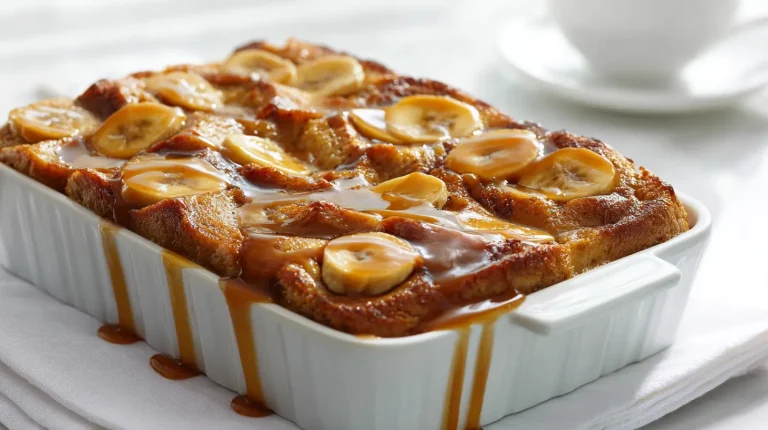
You can also serve it as part of vegan baked breakfast spreads, paired with muffins, vegan breakfast baked goods, or a french toast casserole vegan prepared ahead.
Additional Tips
Recipe Variations
Freezing and Storage
Nutritional Information
Approximate values per serving based on two slices.
Values will vary based on bread choice and toppings.
Final Words
Vegan french toast is a perfect example of how thoughtful technique transforms simple ingredients into something special. When you understand how the custard works and how heat affects texture, you gain control over the final result.
Cooking this dish at home allows you to choose better ingredients, adjust sweetness, and serve it exactly how you like. It fits seamlessly into vegan breakfast recipes, weekend brunches, and even creative dinner ideas.
Whether you are new to vegan cooking or experienced with vegan foods, this recipe offers reliability and room to explore. Once you master the basics, the variations are endless.
Take your time, cook with intention, and enjoy the process. Good vegan french toast is not about imitation. It is about making something genuinely delicious from the ground up.
FAQs

Vegan French Toast – Easy Dairy Free French Toast Ideas
Course: Bread Recipes4
servings10
minutes15
minutes280
kcalIngredients
8 slices thick sliced bread, preferably day old
Challah style vegan bread, brioche style vegan bread, or sturdy white bread works best
1 1/2 cups unsweetened plant milk
Soy milk or oat milk provide the best body
2 tablespoons cornstarch
2 tablespoons maple syrup or cane sugar
1/4 teaspoon fine sea salt
- Flavorings
1 tablespoon vanilla extract
1 teaspoon ground cinnamon
1/4 teaspoon ground nutmeg
- Fat for Cooking
2 to 3 tablespoons vegan butter or neutral oil
- Optional Toppings
Fresh fruit
Powdered sugar
Maple syrup
Directions
- In a wide, shallow bowl, add the plant milk and cornstarch. Whisk until the cornstarch is fully dissolved. Once smooth, whisk in the maple syrup, vanilla extract, cinnamon, nutmeg, and salt. The mixture should look slightly thickened but still pourable. This is the base of your vegan french toast and it should smell warm and inviting.
- Place a large nonstick skillet or griddle over medium heat. Add a small amount of vegan butter or oil and let it melt and coat the surface evenly.
The pan should be hot enough that a drop of custard sizzles gently when it touches the surface. If the pan is too hot, the toast will brown before the inside sets. - Take one slice of bread and place it into the custard mixture. Let it soak for about 10 seconds per side. The goal is absorption without collapse.
Lift the bread and allow excess custard to drip back into the bowl. This prevents pooling in the pan, which can lead to uneven cooking.
Repeat with as many slices as your pan can comfortably hold without crowding. - Place the soaked bread onto the hot pan. Cook for 3 to 4 minutes on the first side until golden brown. Flip gently and cook the second side for another 2 to 3 minutes.
The toast should feel set when pressed lightly in the center and have an even golden color.
Transfer cooked slices to a warm plate and repeat with remaining bread, adding more fat to the pan as needed. - Serve the vegan french toast immediately while hot. If cooking in batches, keep finished slices warm in a low oven set to 200 degrees Fahrenheit.
Notes
- Use day old bread whenever possible. Slightly dry bread absorbs the custard more evenly and holds its shape better.
- Do not rush the cooking process. Medium heat allows the starch to set properly, which is key to achieving the right texture.
- Whisk the custard again between batches. Starch can settle over time, and re whisking ensures consistent coating.
- If the toast is browning too quickly, lower the heat slightly and extend the cooking time. This prevents a raw center.
- For extra flavor, add a pinch of orange zest or cardamom to the custard. These small touches elevate basic vegan french toast into something memorable.