

Cozy Stuffed Onions Recipe – Easy Weeknight Family Dinner
Stuffed Onions
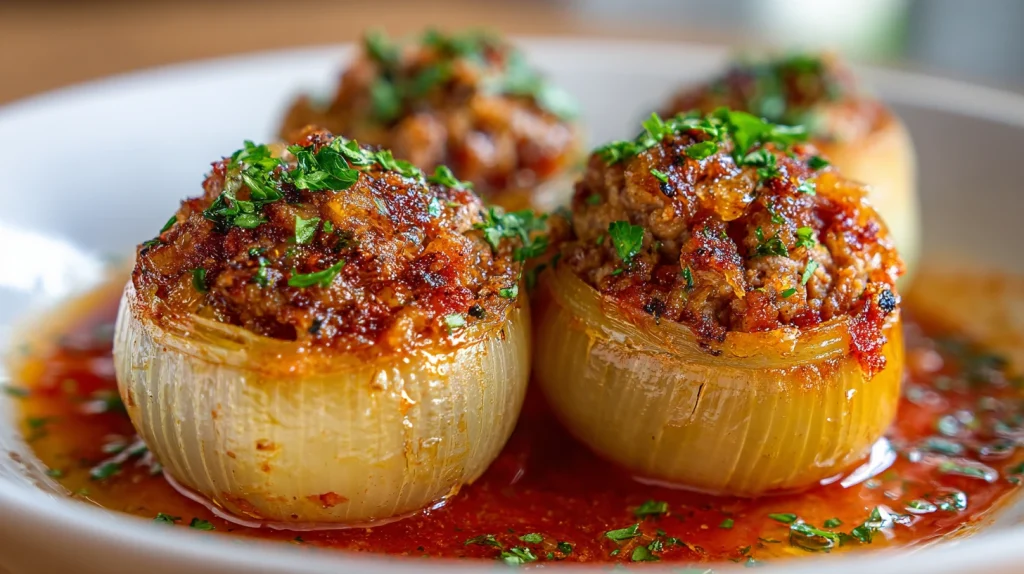
Stuffed onions are one of the most underrated comfort dishes you can make at home. While many people are familiar with stuffed peppers or stuffed cabbage, stuffed onions bring a completely different texture and flavor experience to the table. The onions become soft, sweet, tender, and almost buttery as they cook, while the filling inside turns rich, savory, and deeply satisfying. What makes stuffed onions special is the way the onion layers naturally wrap around the filling. As the onions bake or simmer, they soften into delicate shells that hold everything together while adding sweetness and moisture to the dish. The result feels hearty yet elegant at the same time.
Many traditional cultures have their own versions of stuffed onions, especially in Middle Easter Food cuisine where rice, herbs, spices, and meat are commonly used as fillings. Variations like Iraqi Stuffed Onions and Middle Eastern Stuffed Onions are especially loved for their warm spices, tender texture, and comforting flavor. Stuffed onions have a rich savory taste balanced by the natural sweetness of cooked onions. The filling absorbs flavor from the onion layers during cooking, creating a dish where every bite tastes deeply seasoned and balanced. Some versions are tomato-based and tangy, while others focus more on herbs, rice, and meat.
People love stuffed onions because they feel homemade and thoughtful without requiring expensive ingredients. They also look impressive when served whole on a plate, making them ideal for special meals, gatherings, and Friends Dinner Recipes. Another reason stuffed onions remain popular is versatility. You can make vegetarian versions with rice and herbs, hearty meat-filled versions, or modern variations with cheese, mushrooms, or lentils. The recipe adapts beautifully to different cuisines and preferences.
Learning How To Make Stuffed Onions also teaches valuable cooking skills like softening onions properly, creating balanced fillings, and controlling moisture during baking. Once you master the technique, you can create many different Stuffed Onion Recipes with confidence. Whether served as a comforting family dinner or an elegant centerpiece for guests, stuffed onions deliver deep flavor, beautiful presentation, and satisfying texture in every bite.
Why You’ll Love This Recipe
Stuffed onions combines simple ingredients into a dish that feels rich, comforting, and carefully prepared. The sweetness of cooked onions pairs perfectly with savory fillings, creating balanced flavor without needing complicated sauces.
Preparation and Cooking Time
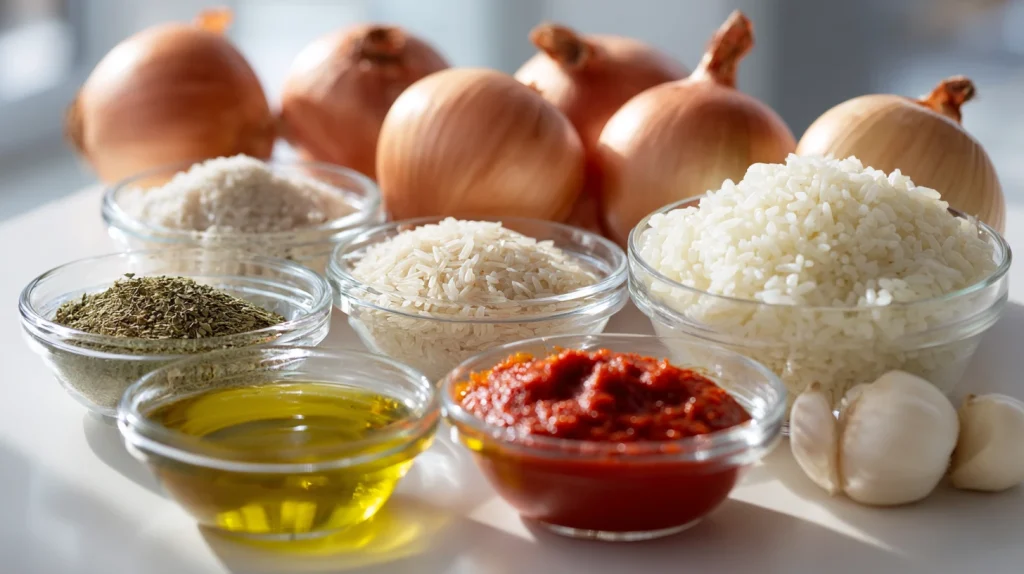
Ingredients
For the Onions
For the Filling
For the Sauce
Optional Garnishes
Substitution Notes
Step-by-Step Instructions

Step 1: Prepare the Onions
Bring a large pot of water to a boil. Trim the root end of each onion slightly while keeping the onions intact. Cut a shallow slit down one side of each onion to help separate the layers later. Place the onions into boiling water and cook for about 10 to 12 minutes until slightly softened. Remove the onions carefully and let them cool enough to handle.
Step 2: Separate the Onion Layers
Gently peel apart the softened onion layers one by one. Try to keep the layers intact because these will become the shells for the filling. Reserve the smaller inner onion pieces for the filling or sauce. The softened onion layers should feel flexible and easy to roll without tearing.
Step 3: Prepare the Filling
In a large mixing bowl, combine the ground meat, uncooked rice, chopped tomato, parsley, mint, garlic, tomato paste, olive oil, salt, black pepper, paprika, cumin, and cinnamon. Mix thoroughly until evenly combined. The filling should feel moist but not watery. The rice absorbs moisture during cooking, helping the filling stay tender while creating structure inside the onions.
Step 4: Fill the Onion Layers
Lay one onion layer flat on a clean surface. Place a small amount of filling near one edge and roll the onion layer around the filling gently. Do not overfill because the rice expands during cooking. Continue until all onion layers are filled. The finished stuffed onions should look compact but not tightly packed.
Step 5: Arrange the Stuffed Onions
Place the stuffed onions seam-side down in a deep baking dish or pot. Arrange them snugly together so they hold their shape during cooking. Layering them closely also helps prevent unraveling while baking.
Step 6: Prepare the Sauce
In a bowl, combine tomato sauce, lemon juice, pomegranate molasses, broth, and salt. Pour the sauce evenly over the stuffed onions. The liquid should partially cover the onions without fully submerging them.
Step 7: Bake the Stuffed Onions
Cover the dish tightly with foil or a lid. Bake at 375 degrees Fahrenheit for about 50 minutes. Remove the cover during the final 15 to 20 minutes to allow the tops to lightly brown and the sauce to thicken slightly. The onions should become very tender while the rice cooks fully inside.
Step 8: Rest Before Serving
Let the stuffed onions rest for about 10 minutes before serving. This helps the filling settle and makes the onions easier to serve neatly. Spoon some sauce over the top before plating.
How to Serve
Stuffed onions can be served as either a main dish or an elegant side depending on portion size and accompaniments.
Additional Tips
Recipe Variations
Stuffed Onions With Rice and Herbs
Skip the meat and increase the herbs, rice, and vegetables for a lighter vegetarian version.
Iraqi Stuffed Onions
Use lamb, warm spices, tomato sauce, and pomegranate molasses for a traditional Iraqi-inspired variation with rich savory flavor.
Cheesy Stuffed Onions
Add mozzarella or feta cheese to the filling for creamy texture and extra richness.
Spicy Stuffed Onions
Add chili flakes or chopped peppers to the filling for extra heat.
Mushroom and Lentil Version
Use finely chopped mushrooms and cooked lentils instead of meat for a hearty vegetarian meal.
Mediterranean Style
Add olives, feta, parsley, and oregano for bright Mediterranean flavor.
Freezing and Storage
Refrigerating
Reheating
Freezing
Make-Ahead Tip
Nutritional Information
Approximate values per serving:
Nutritional values vary depending on filling ingredients and portion size.
Final Words
Stuffed onions is one of those recipes that turns humble ingredients into something deeply comforting and memorable. Soft sweet onions wrapped around flavorful filling creates a dish that feels both rustic and elegant at the same time. Learning How To Make Stuffed Onions is rewarding because the recipe teaches patience, balance, and careful preparation. Once you understand how to soften onions properly and build flavorful filling, you can create endless variations.
Whether you enjoy traditional Iraqi Stuffed Onions, vegetarian rice-filled versions, or modern creative variations, the dish remains comforting and satisfying. Stuffed onions also proves that homemade meals do not need complicated ingredients to feel special. Simple onions, rice, herbs, and spices become incredibly rich and flavorful through careful cooking. This recipe works beautifully for family dinners, holidays, gatherings, and Friends Dinner Recipes because it feels warm, generous, and homemade.
If you have never made stuffed onions before, this recipe is an excellent place to start. Once you taste the tender onions and savory filling together, it is easy to understand why stuffed onions remains a beloved comfort dish across many cuisines.
FAQs

Cozy Stuffed Onions Recipe – Easy Weeknight Family Dinner
Course: Vegetable Recipes6
servings35
minutes1
hour10
minutes390
kcalIngredients
- For the Onions
6 large yellow onions
1 tablespoon salt
Water for boiling
- For the Filling
1 pound ground beef or lamb
1 cup uncooked long-grain rice
1 small tomato, finely chopped
1/4 cup chopped parsley
2 tablespoons chopped mint
3 garlic cloves, minced
2 tablespoons tomato paste
1 teaspoon salt
1/2 teaspoon black pepper
1 teaspoon paprika
1 teaspoon ground cumin
1/2 teaspoon cinnamon
2 tablespoons olive oil
- For the Sauce
2 cups tomato sauce
1 tablespoon lemon juice
1 tablespoon pomegranate molasses
1 cup broth or water
1 teaspoon salt
- Optional Garnishes
Fresh parsley
Yogurt sauce
Toasted pine nuts
Lemon wedges
Directions
- Bring a large pot of water to a boil. Trim the root end of each onion slightly while keeping the onions intact. Cut a shallow slit down one side of each onion to help separate the layers later. Place the onions into boiling water and cook for about 10 to 12 minutes until slightly softened. Remove the onions carefully and let them cool enough to handle.
- Gently peel apart the softened onion layers one by one. Try to keep the layers intact because these will become the shells for the filling. Reserve the smaller inner onion pieces for the filling or sauce. The softened onion layers should feel flexible and easy to roll without tearing.
- In a large mixing bowl, combine the ground meat, uncooked rice, chopped tomato, parsley, mint, garlic, tomato paste, olive oil, salt, black pepper, paprika, cumin, and cinnamon. Mix thoroughly until evenly combined. The filling should feel moist but not watery. The rice absorbs moisture during cooking, helping the filling stay tender while creating structure inside the onions.
- Lay one onion layer flat on a clean surface. Place a small amount of filling near one edge and roll the onion layer around the filling gently. Do not overfill because the rice expands during cooking. Continue until all onion layers are filled. The finished stuffed onions should look compact but not tightly packed.
- Place the stuffed onions seam-side down in a deep baking dish or pot. Arrange them snugly together so they hold their shape during cooking. Layering them closely also helps prevent unraveling while baking.
- In a bowl, combine tomato sauce, lemon juice, pomegranate molasses, broth, and salt. Pour the sauce evenly over the stuffed onions. The liquid should partially cover the onions without fully submerging them.
- Cover the dish tightly with foil or a lid. Bake at 375 degrees Fahrenheit for about 50 minutes. Remove the cover during the final 15 to 20 minutes to allow the tops to lightly brown and the sauce to thicken slightly. The onions should become very tender while the rice cooks fully inside.
- Let the stuffed onions rest for about 10 minutes before serving. This helps the filling settle and makes the onions easier to serve neatly. Spoon some sauce over the top before plating.