

Cast Iron Dutch Oven Pot Roast – Easy Weeknight Dinner
Cast Iron Dutch Oven Pot Roast
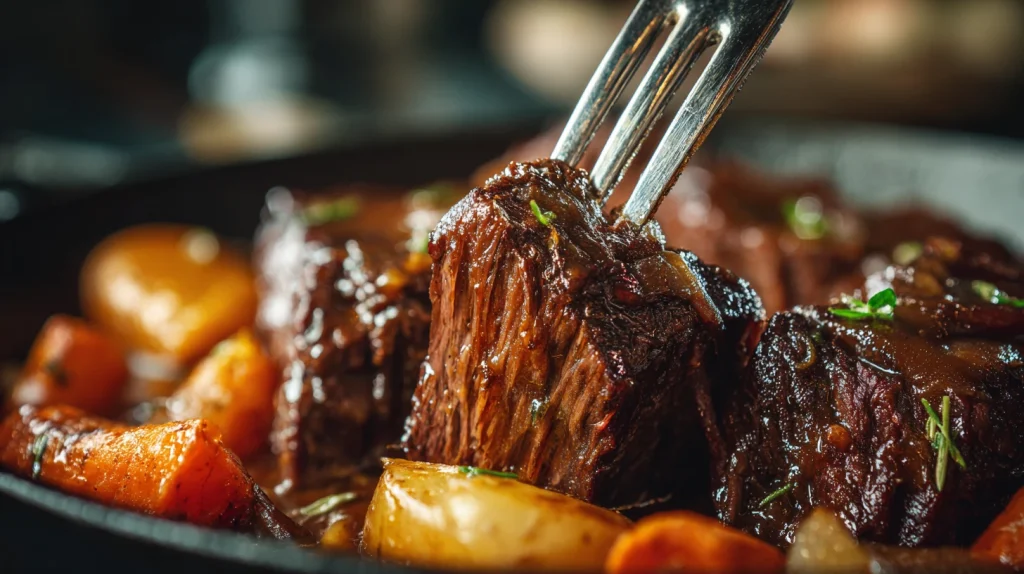
Cast Iron Dutch Oven Pot Roast is one of those classic comfort meals that never loses its place in home cooking. It brings together slow cooked beef, tender vegetables, rich broth, and deep savory flavor that develops over hours of gentle cooking. The result is a dish that feels warm, hearty, and satisfying in every bite. What makes Cast Iron Dutch Oven Pot Roast special is the cooking method. A cast iron Dutch oven holds heat evenly and locks in moisture, allowing tough cuts of beef to slowly transform into tender, pull apart meat. As the roast cooks, the vegetables absorb the seasoned broth and beef juices, creating layers of flavor that feel natural and balanced.
The taste is rich but not complicated. You get beef that is deeply savory, carrots that turn slightly sweet, onions that melt into the sauce, and potatoes that soak up all the cooking juices. Everything comes together in one pot, which is why many home cooks consider it one of the most reliable comfort meals. This dish is often compared with Beef Brisket Pot Roast because both use slow cooking to break down tough meat into tender, flavorful results. Some cooks even prefer using brisket instead of traditional roast beef, creating variations like Brisket Roast or Brisket Pot Roast Recipe styles that bring extra richness.
There are also modern adaptations such as Brisket Pot Roast Slow Cooker versions and Brisket Pot Roast Instant Pot methods. However, the cast iron Dutch oven remains the most traditional and flavorful approach because it allows slow heat and natural browning in a single vessel. Cast Iron Dutch Oven Pot Roast is loved because it turns simple ingredients into a complete meal. It is filling, comforting, and perfect for family dinners, weekend cooking, or make ahead meals.
Why You’ll Love This Recipe
Cast Iron Dutch Oven Pot Roast is a complete meal that cooks in one pot, which makes it both practical and deeply flavorful.
Preparation and Cooking Time
Ingredients
Vegetables
Cooking Liquid
Optional Additions
Substitution Notes
Step-by-Step Instructions

Step 1: Prepare the Beef
Pat the beef dry using paper towels. Dry surface helps the meat brown properly during searing. Season all sides generously with salt, pepper, garlic powder, onion powder, and smoked paprika. Let the meat rest at room temperature for 20 minutes before cooking. This helps the seasoning absorb and promotes even cooking.
Step 2: Heat the Cast Iron Dutch Oven
Place the Dutch oven on the stovetop over medium-high heat. Add olive oil and allow it to heat until shimmering. A properly heated pot ensures strong browning on the beef surface.
Step 3: Sear the Beef
Place the beef into the hot Dutch oven. Sear each side for about 4 to 5 minutes until deeply browned. This step builds the foundation of flavor for Cast Iron Dutch Oven Pot Roast. Remove the beef and set it aside.
Step 4: Build the Flavor Base
Add onions, celery, and garlic into the same pot. Cook for a few minutes until slightly softened. Scrape the bottom of the pot to release browned bits from the beef. Those browned bits create deep flavor in the final sauce. Add tomato paste and stir until it darkens slightly.
Step 5: Add Liquid and Herbs
Pour in beef broth and red wine if using. Add Worcestershire sauce, thyme, rosemary, and bay leaves. Stir gently to combine. The liquid should be enough to partially cover the vegetables and beef.
Step 6: Return the Beef to the Pot
Place the seared beef back into the Dutch oven. Surround it with carrots and potatoes. The vegetables should sit in the broth but not be fully submerged. This allows both roasting and slow braising at the same time.
Step 7: Slow Cook in the Oven
Cover the Dutch oven with its lid. Place it in a preheated oven at 325 degrees Fahrenheit. Cook for about 3 to 3 and a half hours. The beef becomes tender as connective tissue breaks down slowly. Halfway through cooking, gently turn the meat once.
Step 8: Check Tenderness
The roast is ready when it easily pulls apart with a fork. If needed, cook for an additional 20 to 30 minutes.
Step 9: Rest Before Serving
Remove the pot from the oven and let it rest for 15 minutes. Remove bay leaves and herb stems. This allows juices to settle into the meat.
How to Serve
Additional Tips
Recipe Variations
Classic Brisket Pot Roast
Replace chuck roast with brisket for deeper beef flavor and richer texture.
Slow Cooker Version
Convert to Brisket Pot Roast Slow Cooker by cooking on low for 8 hours with the same ingredients.
Garlic Herb Roast
Increase garlic and fresh herbs for a stronger aromatic profile.
Tomato Rich Version
Add extra tomato paste and crushed tomatoes for a thicker gravy style sauce.
Root Vegetable Roast
Add parsnips, turnips, and sweet potatoes for a sweeter earthier version.
One Pot Brisket And How To Use Your Leftovers
Use leftovers in sandwiches, tacos, pasta, or shredded beef bowls for easy second meals.
Freezing and Storage
Refrigerating
Reheating
Freezing
Meal Prep Tip
Nutritional Information
Approximate values per serving:
Values vary depending on ingredients and portion size.
Final Words
Cast Iron Dutch Oven Pot Roast is a classic comfort dish that proves simple ingredients can create deeply satisfying meals when cooked slowly and carefully. Tender beef, rich broth, and perfectly cooked vegetables come together in a way that feels both rustic and rewarding. The beauty of this dish is its patience. Slow cooking transforms tough cuts of meat into soft, flavorful pieces that fall apart easily. At the same time, the vegetables absorb every bit of seasoning and beef flavor, creating a complete meal in one pot. Learning how to prepare Cast Iron Dutch Oven Pot Roast also helps build essential cooking skills such as searing, braising, and flavor layering. These techniques are useful far beyond this recipe.
Whether you are cooking a traditional Beef Brisket Pot Roast, experimenting with Brisket Pot Roast Recipe variations, or preparing a modern Brisket Pot Roast Instant Pot version, the core idea remains the same. Slow cooking creates flavor that cannot be rushed. This dish is perfect for family dinners, gatherings, or meal prep because it is filling, reliable, and easy to reheat. Once you experience the depth of flavor in Cast Iron Dutch Oven Pot Roast, it becomes a recipe worth returning to again and again.
FAQs

Cast Iron Dutch Oven Pot Roast – Easy Weeknight Dinner
Course: Dinner Recipes8
servings25
minutes3
hours30
minutes480
kcalIngredients
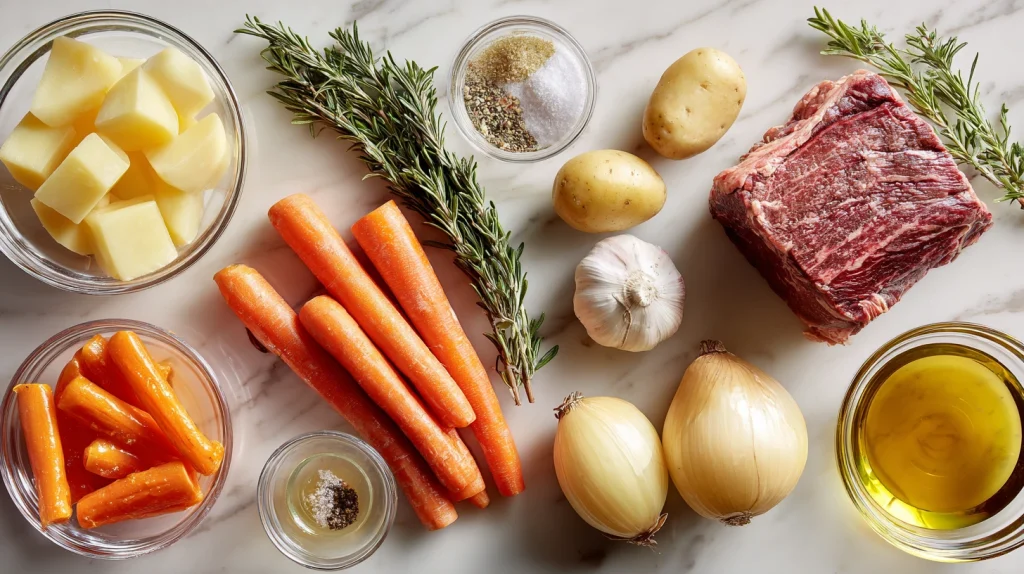
3 to 4 pounds beef chuck roast or brisket
2 tablespoons olive oil
1 tablespoon salt
1 teaspoon black pepper
1 tablespoon garlic powder
1 tablespoon onion powder
2 teaspoons smoked paprika
- Vegetables
5 carrots, cut into large chunks
4 potatoes, peeled and halved
2 large onions, quartered
3 celery stalks, chopped
4 garlic cloves, smashed
- Cooking Liquid
3 cups beef broth
1 cup red wine optional
2 tablespoons tomato paste
2 teaspoons Worcestershire sauce
2 sprigs fresh thyme
1 sprig rosemary
2 bay leaves
- Optional Additions
Mushrooms
Parsnips
Pearl onions
Directions
- Pat the beef dry using paper towels. Dry surface helps the meat brown properly during searing. Season all sides generously with salt, pepper, garlic powder, onion powder, and smoked paprika. Let the meat rest at room temperature for 20 minutes before cooking. This helps the seasoning absorb and promotes even cooking.
- Place the Dutch oven on the stovetop over medium-high heat. Add olive oil and allow it to heat until shimmering. A properly heated pot ensures strong browning on the beef surface.
- Place the beef into the hot Dutch oven. Sear each side for about 4 to 5 minutes until deeply browned. This step builds the foundation of flavor for Cast Iron Dutch Oven Pot Roast. Remove the beef and set it aside.
- Add onions, celery, and garlic into the same pot. Cook for a few minutes until slightly softened. Scrape the bottom of the pot to release browned bits from the beef. Those browned bits create deep flavor in the final sauce. Add tomato paste and stir until it darkens slightly.
- Pour in beef broth and red wine if using. Add Worcestershire sauce, thyme, rosemary, and bay leaves. Stir gently to combine. The liquid should be enough to partially cover the vegetables and beef.
- Place the seared beef back into the Dutch oven. Surround it with carrots and potatoes. The vegetables should sit in the broth but not be fully submerged. This allows both roasting and slow braising at the same time.
- Cover the Dutch oven with its lid. Place it in a preheated oven at 325 degrees Fahrenheit. Cook for about 3 to 3 and a half hours. The beef becomes tender as connective tissue breaks down slowly. Halfway through cooking, gently turn the meat once.
- The roast is ready when it easily pulls apart with a fork. If needed, cook for an additional 20 to 30 minutes.
- Remove the pot from the oven and let it rest for 15 minutes. Remove bay leaves and herb stems. This allows juices to settle into the meat.