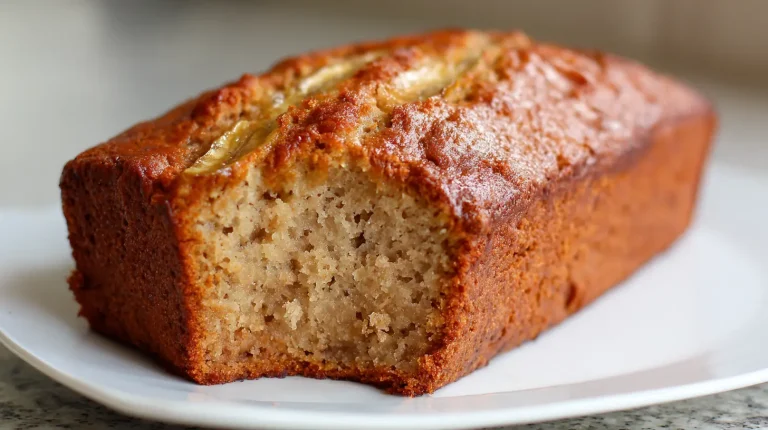
Pumpkin Pie Crust Recipe – Classic & Perfect Holiday Pie
Pumpkin Pie Crust Recipe
A great pumpkin pie crust recipe is not just a base that holds filling. It is the structure, texture, and flavor that defines the entire pie. When you slice into pumpkin pie, the first resistance comes from the crust. It should be tender yet structured, crisp but not dry, buttery without being greasy. That balance is what separates an average pie from a memorable one.
Many home bakers focus only on the filling and treat the crust as an afterthought. In professional kitchens, we do the opposite. The crust is the foundation. If the crust is soggy, tough, or bland, even the smoothest pumpkin filling cannot save the pie. That is why mastering a proper pumpkin pie crust recipe matters.
A well made pumpkin pie crust recipe has a delicate flake that shatters lightly under a fork. It complements the spiced custard filling instead of overpowering it. Whether you are preparing a traditional pumpkin pie and crust recipe for Thanksgiving or experimenting with new pumpkin pie crust ideas, the principles remain the same.
In this guide, I will show you how to make pumpkin pie crust with precision and clarity. You will understand ingredient ratios, texture cues, temperature control, and baking techniques that create the best pumpkin pie crust every time. This is a pumpkin pie homemade crust method designed for home cooks who want professional level results without complicated tools.
Why You’ll Love This Recipe
This pumpkin pie crust recipe is designed to be reliable. It is structured around balance. Flour provides body. Fat creates flake. Water binds. Salt enhances flavor. The proportions are intentional and tested.
You will love this recipe because it produces consistent results. The dough is easy to handle, which makes it an easy pie crust for pumpkin pie even if you are not an experienced baker. It rolls without cracking and bakes without shrinking when handled properly.
Another reason this pumpkin pie crust recipe stands out is flavor control. Many commercial crusts taste flat. This homemade pumpkin pie crust has enough salt and butter to support the sweet pumpkin filling without competing with it.
This pie crust recipe pumpkin pie method also adapts well. You can partially bake it for a custard style filling or fully blind bake it for special variations. It supports different pumpkin pie crust ideas without losing structure.
Most importantly, this pumpkin pie crust recipe teaches technique. Once you master this, you can apply the same method to other pies with confidence.
Preparation and Cooking Time
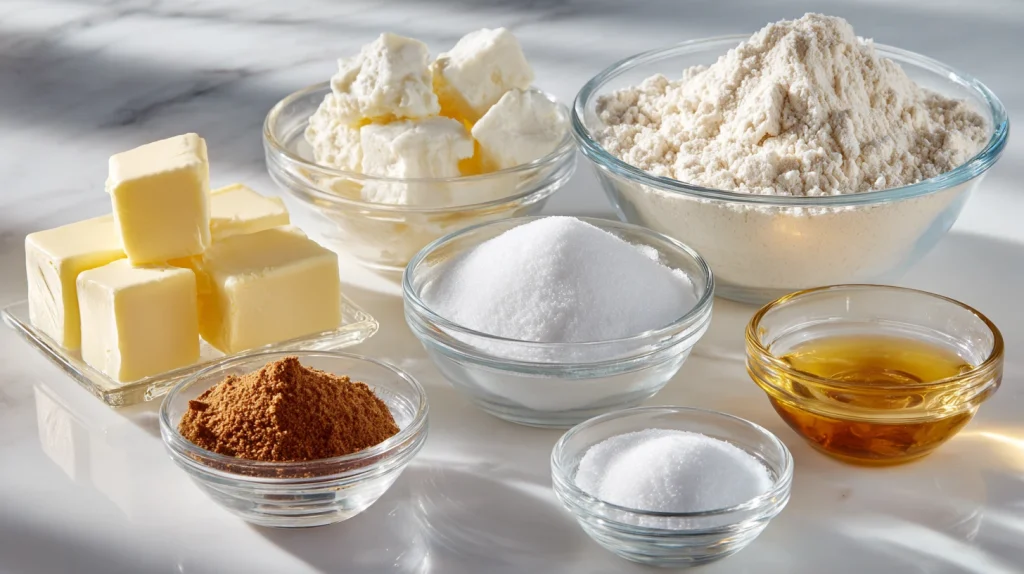
Ingredients
For one 9 inch pumpkin pie crust recipe:
Substitution notes:
You may replace half of the all purpose flour with whole wheat pastry flour for a nuttier flavor. Vegetable shortening can replace half the butter for a slightly flakier but less flavorful crust. For dairy free options, use plant based butter. Keep all fats cold for best results.
Step by Step Instructions
Step 1: Combine the Dry Ingredients
Place the flour, salt, and sugar in a large mixing bowl. Stir evenly to distribute the salt and sugar throughout the flour.
Even distribution ensures that your pumpkin pie crust recipe has consistent flavor in every bite.
Step 2: Cut in the Butter
Add the cold butter cubes to the flour mixture. Using your fingertips or a pastry cutter, press and break the butter into the flour.
Work until the mixture resembles coarse crumbs with some pea sized pieces of butter remaining. Those small visible butter pieces are essential for flakiness in this pumpkin pie crust recipe.
Do not overwork. Warm butter blends completely into flour and removes flake.
Step 3: Add Ice Water Gradually
Sprinkle 3 tablespoons of ice cold water over the mixture. Toss gently with your hands or a fork to combine.
If the dough looks dry and does not hold together when pressed, add the remaining tablespoon of water gradually.
The dough should hold together when squeezed but should not feel sticky.
Step 4: Form and Chill the Dough
Gather the dough into a loose ball. Flatten it gently into a disk about 1 inch thick.
Wrap tightly in plastic wrap and refrigerate for at least 1 hour. Chilling relaxes the gluten and firms the butter, which improves texture in your pumpkin pie crust recipe.
Step 5: Roll the Dough
Lightly flour your work surface. Place the chilled dough disk in the center.
Roll from the center outward, rotating the dough slightly after each roll. Aim for a circle about 12 inches in diameter for a 9 inch pie pan.
Keep the thickness even to ensure even baking in your pumpkin pie homemade crust.
Step 6: Transfer to the Pie Pan
Carefully lift the dough and drape it over your rolling pin. Transfer to a 9 inch pie dish.
Gently press the dough into the corners without stretching. Trim excess dough, leaving about 1 inch overhang.
Fold the overhang under itself to create a thicker edge. Crimp with your fingers or a fork.
Step 7: Chill Again Before Baking
Place the shaped crust in the refrigerator for at least 30 minutes before baking. This step prevents shrinking and maintains structure.
Step 8: Blind Bake if Needed
If your pumpkin pie and crust recipe requires partial blind baking, line the chilled crust with parchment paper and fill with pie weights.
Bake at 375 degrees Fahrenheit for 15 minutes. Remove weights and bake another 5 minutes until lightly golden.
For many traditional pumpkin fillings, a partially baked crust works best to prevent sogginess.
How to Serve
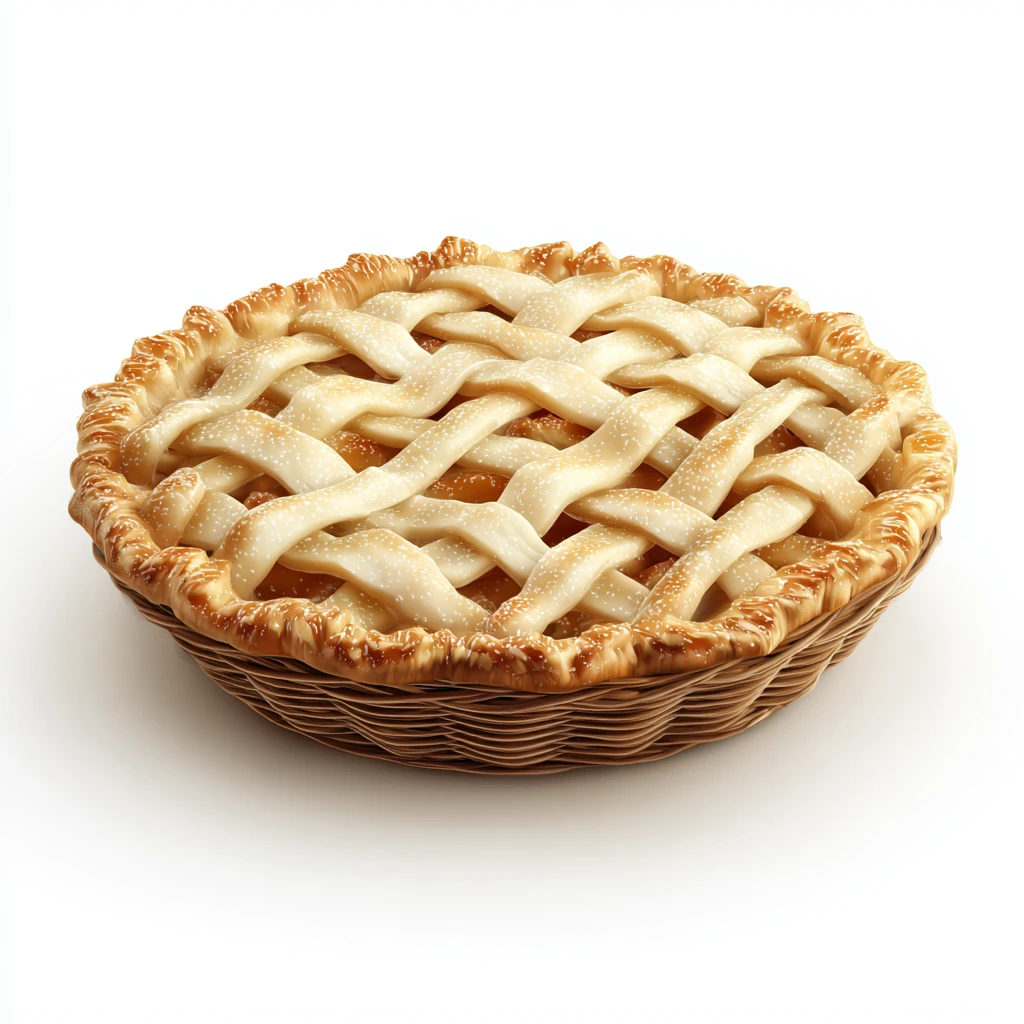
A well executed pumpkin pie crust recipe enhances presentation. Once filled and baked with pumpkin custard, allow the pie to cool completely before slicing. This ensures clean slices and maintains crust integrity. Serve with lightly whipped cream. The neutral sweetness of the crust balances the rich topping.
For creative pumpkin pie crust ideas, you can brush the edges with egg wash before baking for a golden finish. Sprinkle coarse sugar on the rim for texture. If serving at gatherings, use a sharp knife wiped clean between slices to maintain neat presentation. A structured crust holds shape and makes each slice look professional.

Secret Behind This Recipe
Recipe Variations
Each variation keeps the structure of the original pumpkin pie crust recipe while offering new flavor profiles.
Additional Tips
Mastering these small details transforms your homemade pumpkin pie crust into something truly reliable.
Freezing and Storage
This pumpkin pie crust recipe is excellent for advance holiday preparation.
Nutritional Information
Approximate per slice of crust only, based on 8 slices:
Values vary depending on ingredient substitutions.
Final Words
A dependable pumpkin pie crust recipe is a skill every home baker should own. It is not complicated, but it requires attention and patience. When you understand how to make pumpkin pie crust properly, you remove uncertainty from holiday baking.
This homemade pumpkin pie crust supports any pumpkin pie and crust recipe you love. It rolls smoothly, bakes evenly, and delivers structure without toughness. It is adaptable enough for creative pumpkin pie crust ideas and simple enough to qualify as an easy pie crust for pumpkin pie beginners can trust.
The best pumpkin pie crust is not about decoration. It is about balance. It should support the filling, provide contrast in texture, and enhance flavor.
Practice this method once or twice, and it will become second nature. When you serve a pie made with this pumpkin pie crust recipe, you will notice the difference immediately in texture, flavor, and presentation.
FAQs
Pumpkin Pie Crust Recipe – Classic & Perfect Holiday Pie
Course: Desserts9
servings20
minutes1
hour180
kcalIngredients
- For one 9 inch pumpkin pie crust recipe:
1 1/4 cups all purpose flour
1/2 teaspoon fine salt
1 tablespoon granulated sugar
1/2 cup unsalted butter, cold and cut into small cubes
3 to 4 tablespoons ice cold water
Directions
- Place the flour, salt, and sugar in a large mixing bowl. Stir evenly to distribute the salt and sugar throughout the flour.
Even distribution ensures that your pumpkin pie crust recipe has consistent flavor in every bite. - Add the cold butter cubes to the flour mixture. Using your fingertips or a pastry cutter, press and break the butter into the flour.
Work until the mixture resembles coarse crumbs with some pea sized pieces of butter remaining. Those small visible butter pieces are essential for flakiness in this pumpkin pie crust recipe.
Do not overwork. Warm butter blends completely into flour and removes flake. - Sprinkle 3 tablespoons of ice cold water over the mixture. Toss gently with your hands or a fork to combine.
If the dough looks dry and does not hold together when pressed, add the remaining tablespoon of water gradually.
The dough should hold together when squeezed but should not feel sticky. - Gather the dough into a loose ball. Flatten it gently into a disk about 1 inch thick.
Wrap tightly in plastic wrap and refrigerate for at least 1 hour. Chilling relaxes the gluten and firms the butter, which improves texture in your pumpkin pie crust recipe. - Lightly flour your work surface. Place the chilled dough disk in the center.
Roll from the center outward, rotating the dough slightly after each roll. Aim for a circle about 12 inches in diameter for a 9 inch pie pan.
Keep the thickness even to ensure even baking in your pumpkin pie homemade crust. - Carefully lift the dough and drape it over your rolling pin. Transfer to a 9 inch pie dish.
Gently press the dough into the corners without stretching. Trim excess dough, leaving about 1 inch overhang.
Fold the overhang under itself to create a thicker edge. Crimp with your fingers or a fork. - Place the shaped crust in the refrigerator for at least 30 minutes before baking. This step prevents shrinking and maintains structure.
- If your pumpkin pie and crust recipe requires partial blind baking, line the chilled crust with parchment paper and fill with pie weights.
Bake at 375 degrees Fahrenheit for 15 minutes. Remove weights and bake another 5 minutes until lightly golden.
For many traditional pumpkin fillings, a partially baked crust works best to prevent sogginess.