

Plum Pudding Recipe – Traditional English Christmas Dessert
Plum Pudding Recipe
A classic plum pudding recipe is one of the most treasured desserts in British holiday traditions. Despite its name, this rich steamed pudding usually contains no fresh plums. Instead, the word “plum” comes from an older English term that referred to dried fruits such as raisins, currants, and sultanas. Combined with warming spices, breadcrumbs, flour, butter, citrus zest, and a blend of dried fruits, these ingredients create a deeply flavorful dessert that has been enjoyed for generations.
The beauty of a traditional plum pudding lies in its rich texture and complex flavor. Every bite offers sweetness from dried fruits, gentle warmth from spices, and a soft yet dense crumb that melts pleasantly in your mouth. The long steaming process allows all the ingredients to blend together, producing a dessert that tastes even better after resting for a few days. Many families prepare this dessert weeks before Christmas because its flavor continues to improve over time. As the pudding matures, the spices become more balanced, the fruit softens further, and every slice develops a richer taste. This is one of the reasons why Christmas Plum Pudding Recipes have remained popular for centuries.
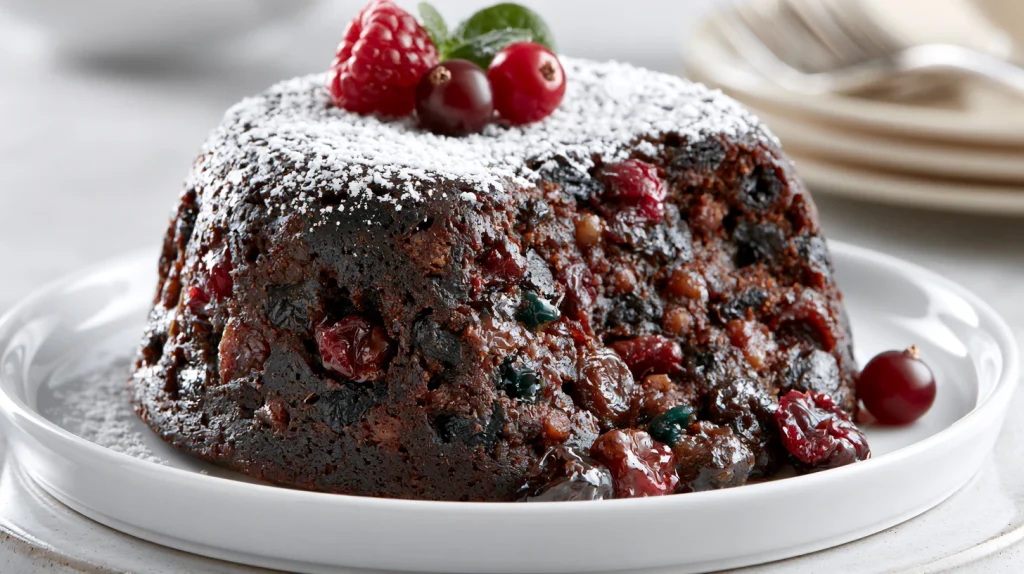
For many people, Traditional English Christmas Food would not feel complete without a homemade plum pudding served at the end of the holiday meal. It represents comfort, celebration, and family gatherings around the table. The pudding is often brought to the table warm and served with vanilla custard, warm cream, brandy butter, or whipped cream, making it a memorable finish to a festive dinner.
Although this dessert has a long history, making it at home is much easier than many people expect. Once the ingredients are measured and mixed, most of the cooking happens while the pudding gently steams. The result is a dessert that looks impressive while requiring very little hands on attention during cooking. This recipe is designed to help home cooks prepare an authentic English Plum Pudding Recipe using clear instructions and reliable techniques. Every step is explained in simple language so even first time bakers can confidently achieve excellent results.
If you have been searching for the Best Plum Pudding Recipe, this version combines traditional ingredients with practical methods that work well in a modern kitchen. The finished pudding has a moist texture, balanced sweetness, fragrant spices, and plenty of dried fruit in every bite. Whether you know it as English Plum Pudding, Traditional English Plum Pudding, or simply a Christmas Plum Pudding Recipe, this timeless dessert is worth making from scratch. Once you experience its rich flavor and wonderful aroma, it is easy to understand why this classic has remained a favorite holiday tradition for generations.
Why You’ll Love This Recipe
This homemade plum pudding delivers authentic flavor while using techniques that are easy to follow in a home kitchen. Every ingredient has an important role in creating the rich texture and festive taste that make this dessert so special.
Preparation and Cooking Time
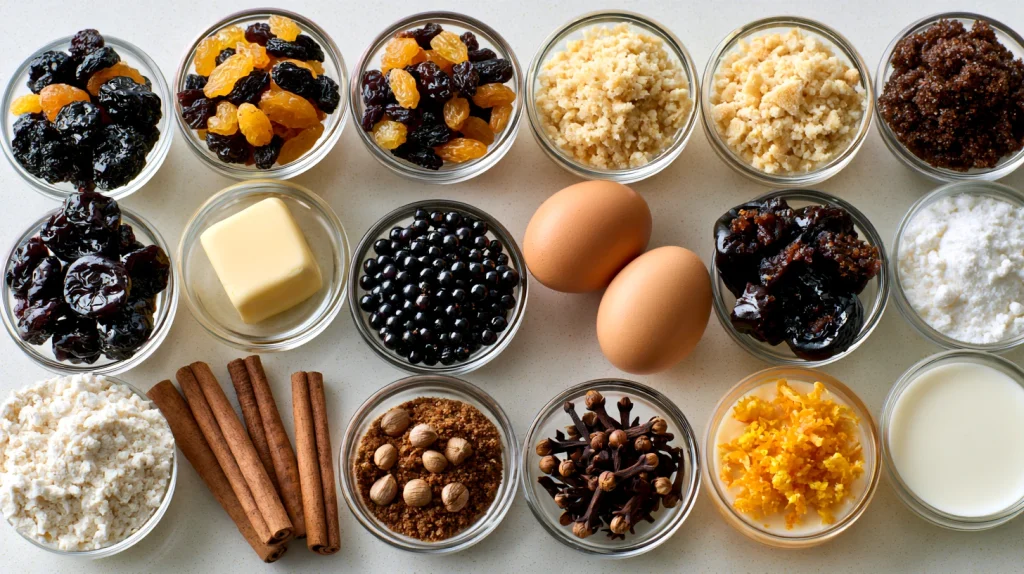
Ingredients
Substitution Notes
Step-by-Step Instructions

Step 1: Prepare the Pudding Basin
Grease a 2 pint pudding basin thoroughly with butter. Line only the bottom with a small circle of parchment paper to help the pudding release easily after steaming. Set the prepared basin aside while you make the mixture.
Step 2: Prepare the Dried Fruit
Place the raisins, currants, golden raisins, chopped figs, dates, and candied citrus peel into a large mixing bowl. If using the optional brandy or dark rum, pour it over the fruit and stir well. Let the fruit rest for about one hour. This allows the dried fruit to absorb moisture, creating a softer texture and richer flavor throughout the finished pudding.
Step 3: Combine the Dry Ingredients
In a separate large bowl, whisk together the breadcrumbs, flour, baking powder, salt, cinnamon, nutmeg, allspice, cloves, and brown sugar until everything is evenly distributed. This ensures the spices are balanced throughout every slice of the pudding.
Step 4: Mix the Wet Ingredients
In another bowl, whisk together the eggs, milk, orange juice, black treacle, vanilla extract, and the orange and lemon zest until smooth. The mixture should appear well blended with no streaks of egg remaining.
Step 5: Combine Everything Together
Add the suet or grated butter to the dry ingredients and mix gently. Stir in the soaked dried fruit along with any remaining liquid from the bowl. Pour the wet mixture into the dry ingredients and fold everything together until no dry flour remains. The mixture should be thick, evenly combined, and packed with fruit without becoming runny.
Step 6: Fill the Pudding Basin
Spoon the mixture into the prepared pudding basin, pressing gently with the back of the spoon to remove large air pockets. Leave about 1 inch of space at the top because the pudding expands slightly during steaming. Smooth the surface with the spoon.
Step 7: Cover and Seal the Basin
Place a sheet of parchment paper over the top of the basin, followed by a sheet of aluminum foil. Tie both securely with kitchen string to keep steam from entering the pudding during cooking. Create a simple string handle across the top to make lifting the hot pudding easier after steaming.
Step 8: Steam the Plum Pudding
Place a heatproof rack or folded kitchen towel in the bottom of a large deep pot. Set the pudding basin on top and carefully pour in enough hot water to reach halfway up the sides of the basin. Cover the pot with a tight fitting lid and maintain a gentle simmer for 5 to 6 hours. Check the water level every 45 to 60 minutes and add more hot water whenever necessary to keep the water at the same level throughout the cooking process.
How to Serve
Additional Tips
Recipe Variations
Freezing and Storage
Nutritional Information
Approximate values per serving.
Nutritional values are estimates and may vary depending on the ingredients and brands used.
Final Words
Making a homemade plum pudding recipe is more than preparing a dessert. It is a wonderful way to continue a tradition that has brought families together for generations. The combination of dried fruits, warm spices, citrus, and gentle steaming creates a dessert that is rich in flavor, wonderfully moist, and perfect for special occasions.
This recipe simplifies the process while staying true to the qualities that make a traditional pudding so memorable. By following each step carefully and allowing the pudding enough time to steam, you can create an authentic dessert that looks impressive and tastes even better after resting.
Whether you are making it for Christmas dinner, a family celebration, or simply to experience one of Britain’s most famous desserts, this plum pudding recipe is one you will want to keep in your collection. Every slice delivers comforting flavors, festive aromas, and a timeless homemade touch that never goes out of style.
FAQs

Plum Pudding Recipe – Traditional English Christmas Dessert
Course: Desserts12
servings30
minutes6
hours445
kcalIngredients
1 cup fresh white breadcrumbs
1 cup all purpose flour
1 teaspoon baking powder
½ teaspoon fine salt
1 teaspoon ground cinnamon
½ teaspoon ground nutmeg
½ teaspoon ground allspice
¼ teaspoon ground cloves
1 cup dark brown sugar, packed
1 cup beef suet or grated frozen unsalted butter
1 cup raisins
1 cup currants
½ cup golden raisins
½ cup chopped dried figs
½ cup chopped dates
½ cup chopped candied citrus peel
½ cup chopped almonds or walnuts
Zest of 1 orange
Zest of 1 lemon
2 large eggs
½ cup whole milk
¼ cup fresh orange juice
2 tablespoons black treacle or molasses
1 teaspoon pure vanilla extract
2 tablespoons brandy or dark rum (optional)
Directions
- Grease a 2 pint pudding basin thoroughly with butter. Line only the bottom with a small circle of parchment paper to help the pudding release easily after steaming. Set the prepared basin aside while you make the mixture.
- Place the raisins, currants, golden raisins, chopped figs, dates, and candied citrus peel into a large mixing bowl. If using the optional brandy or dark rum, pour it over the fruit and stir well. Let the fruit rest for about one hour. This allows the dried fruit to absorb moisture, creating a softer texture and richer flavor throughout the finished pudding.
- In a separate large bowl, whisk together the breadcrumbs, flour, baking powder, salt, cinnamon, nutmeg, allspice, cloves, and brown sugar until everything is evenly distributed. This ensures the spices are balanced throughout every slice of the pudding.
- In another bowl, whisk together the eggs, milk, orange juice, black treacle, vanilla extract, and the orange and lemon zest until smooth. The mixture should appear well blended with no streaks of egg remaining.
- Add the suet or grated butter to the dry ingredients and mix gently. Stir in the soaked dried fruit along with any remaining liquid from the bowl. Pour the wet mixture into the dry ingredients and fold everything together until no dry flour remains. The mixture should be thick, evenly combined, and packed with fruit without becoming runny.
- Spoon the mixture into the prepared pudding basin, pressing gently with the back of the spoon to remove large air pockets. Leave about 1 inch of space at the top because the pudding expands slightly during steaming. Smooth the surface with the spoon.
- Place a sheet of parchment paper over the top of the basin, followed by a sheet of aluminum foil. Tie both securely with kitchen string to keep steam from entering the pudding during cooking. Create a simple string handle across the top to make lifting the hot pudding easier after steaming.
- Place a heatproof rack or folded kitchen towel in the bottom of a large deep pot. Set the pudding basin on top and carefully pour in enough hot water to reach halfway up the sides of the basin. Cover the pot with a tight fitting lid and maintain a gentle simmer for 5 to 6 hours. Check the water level every 45 to 60 minutes and add more hot water whenever necessary to keep the water at the same level throughout the cooking process.